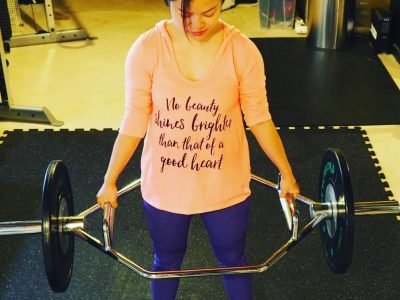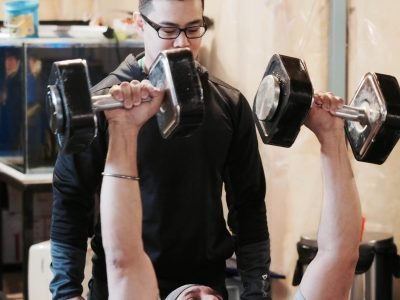
Most of what you’ve heard about precise protein timing is misleading; total daily protein matters more than exact timing, although when you eat protein can influence results. If you leave long gaps after training or between meals, you may impair recovery and increase muscle loss. Conversely, spreading protein across meals and consuming some after workouts supports muscle repair, so focus on meeting your daily target and use timing as a practical tool, not an obsession.
Key Takeaways:
- Total daily protein intake and adequate per-meal amounts matter more for muscle growth and recovery than obsessing over a narrow post-workout “anabolic window.”
- Distribute protein evenly across meals (roughly 20-40 g per meal depending on body size and age) to maximize muscle protein synthesis; older adults often benefit from higher per-meal doses.
- A post-workout protein dose helps, but the window is broad-consume protein within a few hours of exercise or include a pre-sleep protein serving to support overnight muscle repair.
The Science of Protein Timing
After resistance exercise your muscle protein synthesis (MPS) spikes and can remain elevated for up to 24-48 hours, so acute timing is less decisive than many claim. If you aim for 1.6-2.2 g/kg/day of protein distributed across meals, you maximize gains more reliably than chasing a narrow post-workout minute-by-minute window.
Understanding Muscle Protein Synthesis
When you eat protein, leucine acts as the primary trigger for MPS; about 2.5-3 g of leucine per meal (roughly 20-40 g of high-quality protein) is commonly needed to saturate the response. Practical guidance: target ~0.25-0.4 g/kg per meal across 3-5 meals to hit daily targets and keep MPS regularly stimulated.
The Anabolic Window Myth
Many assume a strict 30-60 minute post-workout window is mandatory, but evidence shows no fixed, narrow period; benefits of immediate protein are most clear if you trained fasted or haven’t eaten for several hours. Prioritize total daily protein and sensible per-meal doses, and consider 30-120 minutes post-exercise if you skipped pre-workout fueling.
For example, Areta et al. (2013) compared protein patterns after training-8×10 g every 1.5 h, 4×20 g every 3 h, and 2×40 g every 6 h-and found the 20 g every 3 h pattern produced the greatest myofibrillar MPS. So, if you want maximal synthesis from a session, distribute protein evenly rather than obsessing over a one-hour deadline.
Factors Influencing Protein Needs
Your total protein requirement depends on training volume, body mass, recovery demands and whether you’re cutting or bulking; athletes often need 1.4-2.0 g/kg/day while sedentary adults average 0.8-1.0 g/kg/day. After tracking your weekly training load and body weight, adjust intake toward the higher end for heavy strength work or during a calorie deficit to protect lean mass.
- Protein timing
- Protein needs
- Activity level
- Age
- Nutritional status
- Goals
Individual Goals and Activity Levels
If you’re aiming for hypertrophy, target 1.6-2.2 g/kg/day and distribute ~20-40 g of high-quality protein every 3-4 hours; endurance athletes typically need 1.2-1.6 g/kg/day with a 20-25 g post-session dose to support repair. Adjust upward during high-frequency training blocks or when combining strength and endurance work.
Age and Nutritional Status
As you age, anabolic resistance raises requirements-many experts recommend 1.2-1.5 g/kg/day to limit sarcopenia and support recovery; if you’re ill or undernourished, needs can exceed 1.5-2.0 g/kg/day. Monitor intake and distribution to keep muscle protein synthesis effective.
Older adults often need larger per-meal doses-aim for 30-40 g of leucine-rich protein at main meals; in clinical recovery from surgery or infection, clinicians may target 1.5-2.0 g/kg/day to offset accelerated muscle loss. If appetite is low, prioritize nutrient-dense choices (eggs, yogurt, fortified drinks) or short-term supplements and involve a dietitian for personalized targets.
Optimal Times to Consume Protein
Distribute protein evenly across the day, aiming for 20-40 g per meal and roughly every 3-4 hours. You should target about 0.25-0.4 g/kg bodyweight per feeding to maximize muscle protein synthesis across the day. Prioritize feedings around training and before sleep to support recovery and overnight anabolism, while ensuring your total daily protein meets your goal.
Pre-Workout Protein Intake
If you have 60-120 minutes before training, ingest 20-40 g of mixed protein (whey, milk, or lean meat) to raise circulating amino acids; choose fast-digesting whey if you’re under an hour. You’ll want roughly 2-3 g leucine or ~0.25-0.4 g/kg to meaningfully stimulate synthesis and reduce net muscle breakdown during intense sessions.
Post-Workout Recovery
Consume 20-40 g of high-quality protein within about 0-2 hours after training to take advantage of elevated muscle sensitivity; whey provides rapid amino acid delivery and high leucine. If you already ate protein within two hours before training, you can be flexible, but ensure your next feeding still meets the per-meal target.
You can use practical post-workout options like a whey shake (one scoop ≈ 20-30 g protein), 3 large eggs (~18 g) plus toast, or 150 g chicken breast (~30-35 g); pair with 20-50 g carbs after long sessions to restore glycogen. Note that single-meal gains plateau for most people above ~40 g, so excess protein will be oxidized or used for energy rather than further boosting synthesis.
Protein Distribution Throughout the Day
You should spread protein across the day rather than front-loading one meal; aim for 3-4 feedings delivering roughly 20-40 g per meal (about 0.25-0.40 g/kg/meal) to maximally stimulate muscle protein synthesis. Studies show hitting a per-meal leucine threshold of ~2-3 g optimizes response, while total intake of 1.6-2.2 g/kg/day remains the dominant driver of gains.
Importance of Spreading Protein Intake
Distributing protein evens out anabolic signals so you don’t waste potential for repair; older adults often need nearer the top end (~40 g) because of anabolic resistance. If you go >4-5 hours without protein, muscle protein synthesis drops, so spacing meals every 3-4 hours helps maintain a net positive balance and supports recovery and hypertrophy.
Meal Timing and Overall Benefits
Timing isn’t limited to a post-workout window-consuming protein in the 0-2 hour range around training helps, but consistency matters more: aim for protein at breakfast, lunch, mid-afternoon, and dinner to spread stimulus. This approach supports satiety, preserves lean mass during calorie deficits, and improves daily synthesis compared to a single large protein-heavy meal.
Practically, you can target ~30 g at breakfast (3 eggs + 150 g Greek yogurt), ~30 g at lunch (150 g chicken breast), ~20 g snack (whey shake), and ~40 g at dinner (150-200 g salmon) for a ~120 g day-suitable for a 75 kg person at ~1.6 g/kg. Hitting the leucine threshold in each meal and avoiding long fasts >5 hours gives you the best chance to grow or preserve muscle.
Common Myths about Protein Timing
You might have heard the anabolic window is a strict 30-60 minute rule, but multiple studies show it’s much wider; as long as your daily protein (1.6-2.2 g/kg) and per-meal targets are met, timing plays a minor role. Practical guidance-20-40 g protein per meal, spaced every 3-4 hours-beats obsessing over seconds. Extreme patterns (all protein in one meal or long fasting) blunt muscle protein synthesis and recovery.
Myths Debunked
One common myth claims you must gulp a protein shake immediately post-workout; meta-analyses contradict that when total intake is sufficient. Aim for ~0.25-0.40 g/kg per meal (a 75 kg person needs ~19-30 g) and distribute across 3-4 feedings. Consistent daily totals of 1.6-2.2 g/kg produce better hypertrophy and recovery than perfect timing alone.
Misinformation Consequences
If you prioritize timing over quantity you risk under-eating protein, slower recovery, and higher injury or muscle-loss rates. Older adults require ~40 g per meal to overcome anabolic resistance, so missing that raises sarcopenia risk. Athletes fixated on a narrow post-workout window often neglect overall intake, which is the main driver of gains and health.
You may skip protein after a late session thinking the window closed and then fall short of daily needs; reviews show the practical window spans several hours. Use a simple plan: 3-4 meals with ~0.3-0.4 g/kg each (an 80 kg athlete would consume ~24-32 g per meal) to hit 1.6-2.2 g/kg daily. Also avoid replacing balanced meals with low-protein snacks that can reduce micronutrient intake and long-term performance.
Practical Tips for Effective Protein Timing
Space your protein evenly across the day-aim for ~20-40 g per meal or ~0.25-0.4 g/kg bodyweight to hit the anabolic threshold; target ~3-5 meals/snacks and avoid long gaps. Use the post-workout window pragmatically rather than chasing minutes; overall protein timing and daily intake drive adaptations. Knowing how to distribute intake supports muscle maintenance and recovery.
- Plan 3 meals + 1-2 snacks so you get ~25-30 g protein each.
- Place a ~20-40 g serving within 1-2 hours after resistance sessions when possible.
- Favor fast sources like whey post-workout and slower proteins (casein) before sleep.
- Keep portable convenient protein sources so you don’t miss targets and lower sarcopenia risk.
Meal Planning Strategies
Use a simple template: three main meals and one to two protein-rich snacks, each providing ~25-30 g. Batch-cook 600 g chicken (≈150-180 g protein total) to split across meals, or portion tubs of Greek yogurt and cottage cheese for grabs. You should track one week, adjust portions to hit your daily protein goal (≈0.8-1.6 g/kg depending on activity), and rotate foods to avoid boredom.
Convenient Protein Sources
Choose portable, high-protein options: Greek yogurt (170 g ≈ 17 g), canned tuna (100 g ≈ 25 g), whey isolate (1 scoop ≈ 20-25 g), cottage cheese (100 g ≈ 11-12 g), hard-boiled eggs (1 ≈ 6 g), jerky (30 g ≈ 9-10 g), and many protein bars (typically 15-25 g).
Pay attention to protein quality and context: whey and eggs deliver rapid absorption and high leucine (~2.5-3 g per ~25-30 g serving) to trigger muscle protein synthesis, while casein is useful overnight. When you travel, use powder or canned fish; if you’re plant-based, combine legumes + grains (e.g., lentils + rice) to reach ~25-30 g per meal. Avoid overly processed bars with high sugar content, which can undermine your goals.
Summing up
Hence, you should focus on your daily protein total and distribute it evenly across meals rather than obsessing over a narrow “anabolic window”; aim for roughly 20-40 g of protein per meal, include a serving close to workouts to aid recovery, and tailor timing to your goals, age, and lifestyle.
FAQ
Q: Do I need to eat protein within 30 minutes after a workout to build muscle?
A: The strict “30-minute anabolic window” is a myth. Muscle protein synthesis is elevated for many hours after resistance exercise, so immediate protein is not mandatory for most people. What matters more is total daily protein and hitting an effective per-meal dose (roughly 20-40 g of high-quality protein or ~0.24-0.40 g/kg per meal for younger adults; higher per-meal amounts for older adults). Immediate post-workout protein can be helpful if you trained fasted or your previous meal was several hours earlier, but if you eat a protein-containing meal within a couple of hours of training you’ll still capture most of the benefit. Aim to include a high-quality protein source that provides ~2.5-3 g of leucine per serving around your workout when practical.
Q: If I eat carbohydrates right after exercise, do I still need protein immediately?
A: Carbohydrates restore glycogen and can blunt muscle protein breakdown via insulin, but they do not replace the need for dietary protein to stimulate muscle protein synthesis. For endurance athletes doing long or repeated sessions, combining carbs with protein speeds recovery and supports both glycogen repletion and repair. For strength training, prioritize a protein-containing meal or shake (20-40 g of protein) within a few hours of exercise; adding 0.5-1.0 g/kg of carbs after prolonged or glycogen-depleting sessions is beneficial, but carbs alone won’t maximize muscle-building responses.
Q: Is it fine to eat most of my daily protein in one large meal instead of spreading it out?
A: Consuming most protein in one meal produces diminishing returns for muscle protein synthesis because there’s a per-meal ceiling to the anabolic response. Spreading protein across 3-4 meals that each meet the effective dose (again about 20-40 g depending on body size and age) produces greater cumulative muscle protein synthesis than a single large bolus, even if total daily intake is the same. For muscle maintenance and growth target a daily range (commonly 1.6-2.2 g/kg/day for many trainees) and distribute that protein evenly; including ~30-40 g of slower-digesting protein before sleep can further support overnight repair and synthesis.