There’s a reason one-on-one coaching delivers where group classes fall short: it gives you a personalized plan, real-time technique correction to lower injury risk, and accountability that produces measurable results. Your Calgary coach assesses your movement, tailors workouts and nutrition to your goals, and tracks progress so you stop guessing and start improving. By focusing on your form, load progression and consistency, you gain sustainable strength and conditioning while avoiding setbacks.
Key Takeaways:
- Personalized one-on-one coaching builds tailored programs and focuses on technique to accelerate safe progress.
- Consistent accountability, regular testing, and progressive overload deliver measurable results over time.
- Holistic support-nutrition guidance, recovery strategies, and flexible scheduling-keeps training sustainable for Calgary lifestyles.
Why One-on-One Training Works
You get programming that matches your movement screen, recovery status and goals, so every session targets the weakest link instead of repeating generic templates; with real-time technique correction and daily readiness checks your progress is measurable and safer. Typical 12-week individualized plans with 2-3 sessions per week let your coach tweak load, volume and nutrition to prevent stalls and lower your risk of technique-driven injuries.
Evidence-based benefits for strength, fat loss and performance
Individualized training plus nutrition support consistently outperforms one-size-fits-all approaches: applied programs often produce 10-30% strength increases and ~3-8% body-fat reductions over 8-12 weeks depending on adherence. You also gain sport-specific transfers-hockey and sprint athletes see improved power and on-field sprint times when coaches integrate velocity-based loads and targeted conditioning into periodized blocks.
How 1:1 coaching outperforms group and generic programs
You receive immediate corrective feedback, auto-regulated loading and progression tailored to your recovery-advantages group classes lack when a coach is supervising 8-20 clients at once. That focused attention reduces form breakdown, lets you push safely on “good” days, and leads to faster plateaus-busting progress because your plan is adjusted session-by-session rather than on a fixed calendar.
For example, when you fix a persistent hip-hinge fault with specific drill progressions and weekly load jumps, it’s common to see a 20-30% lift improvement in 8-12 weeks; in contrast, athletes in large classes often plateau after minor gains because compensations go uncorrected and programming stays generic.
Assessment and Personalized Programming
Comprehensive initial evaluation (movement, fitness, health)
You begin with a movement screen (overhead squat, single-leg balance), mobility and joint tests, strength baselines (3RM or estimated 1RM for squat/deadlift), and conditioning checks (3-minute step or 2km row). Your health history, blood pressure, resting HR and medications are logged to flag contraindications. This process exposes asymmetries and injury risk while quantifying strengths, allowing your coach to set measurable targets-such as a +15% squat 3RM in 12 weeks-based on hard data.
Tailored training plans and periodization for real progress
From those results your coach programs periodized blocks-hypertrophy (4-8 weeks), strength (6-12 weeks), and power (2-4 weeks)-with built-in deloads so you progress without burnout. Typical microcycles include 3-5 sessions/week: two strength days (3-5 sets of 3-6 reps at ~80-90% 1RM), two hypertrophy days (3-4 sets of 8-12 reps) and conditioning. Planned progression plus scheduled deloads prevents overtraining and drives sustainable progress; one client raised their deadlift from 150kg to 180kg in 16 weeks.
You’ll follow clear progression rules: increase main-lift load by ~2.5-5% weekly until technique degrades, use RPE/autoregulation (RPE 7-9 for main sets), and rotate accessory exercises every 4-6 weeks to avoid plateaus. Nutrition and recovery targets are synced to phases; retesting movement and performance every 6-8 weeks adjusts volume and intensity. This structure delivers measurable outcomes-e.g., +4 kg lean mass and −6% body fat across a committed 16-week cycle-when you adhere to the plan.
Coaching, Technique and Accountability
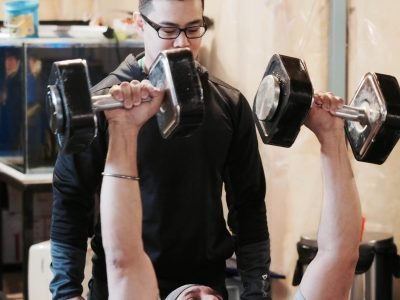
You get focused instruction that converts effort into measurable progress: typical sessions run 45-60 minutes with live corrections, periodic video analysis and weekly targets. Coaches give specific load, tempo and rep prescriptions – for example, programmed 3×8 phases or 6-8 week strength blocks – and tie them to outcomes like increased squat depth or pain reduction. One-on-one attention spots form breakdowns early, limiting the chance of injury from poor technique while pushing safe progression.
Hands-on cueing, form correction and exercise selection
Hands-on cueing includes tactile adjustments for hip hinge, scapular position and knee tracking, often paired with 2-3 verbal cues to avoid overload. You’ll receive regressions (banded deadlifts, box squats) and progressions (deficit deadlifts, paused squats) chosen by movement competency, with load jumps typically of 2.5-5 kg. Emphasis on neutral spine and joint alignment prevents common issues like lumbar flexion or valgus collapse while maximizing transfer to daily tasks.
Progress tracking, adjustments and behavioral coaching
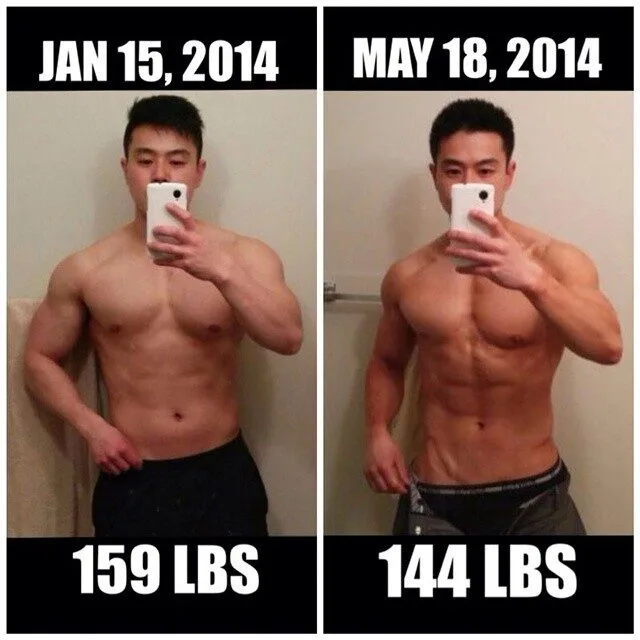
Progress is tracked with weekly metrics: reps, load, RPE, body measurements, and photos; 1RM or performance tests every 4-8 weeks validate gains. You’ll get planned adjustments – volume or intensity shifted by ~10-20% – when progress stalls, and habit-focused coaching to solidify consistency. Objective data plus clear micro-goals makes plateaus visible and accountability concrete.
Behavioral coaching pairs scheduling tactics (booked sessions, automatic reminders) with micro-goals like completing 3 mobility sessions per week or hitting 90% of planned workouts in a month. You receive actionable tweaks after sessions – swap a heavy squat day for a technical day, cut volume by 10% during high-stress weeks – and weekly check-ins that convert intent into sustained adherence, improving outcomes far faster than ad-hoc training.
Trainer Standards and Safety
Your trainers should follow formal safety protocols: pre-session checks, emergency action plans, CPR/AED and liability coverage, and documented client records. Expect routine vitals and progress tracking with baseline strength, mobility, and pain scales. When risks appear, they escalate to medical referral within 24-48 hours. Coaches who log objective metrics and incident reports reduce injury risk and improve long-term outcomes.
Certifications, experience and ongoing education
You should expect trainers with nationally recognized certifications like CSEP, NASM, ACE or CanFitPro, plus CPR/AED. Top coaches have at least 3+ years of hands-on experience and complete 20-40 hours of continuing education yearly in specialties such as corrective exercise, clinical exercise, or sports rehab to keep programming current and evidence-based.
Injury prevention, screening and working with medical referrals
You’ll receive standardized screening: PAR‑Q+, blood pressure check, functional movement screens and targeted joint tests to identify limitations and contraindications. Trainers flag red‑flag symptoms-chest pain, dizziness, uncontrolled hypertension-and pause training pending referral. Clear referral pathways to physiotherapists or physicians are documented so you resume safe, progressive loading when medically cleared.
When you’re referred after surgery or injury, trainers follow the clinician’s protocols: phased targets (ROM, strength symmetry, gait) and objective milestones like achieving 90% ROM or limb symmetry index before advancing. Communication is written and frequent-weekly notes or shared rehab plans-with measurable outcomes (pain VAS, isometric strength, single‑leg hop). For example, a post‑ACL client regained functional squatting and returned to sport drills in about 12 weeks through coordinated PT and trainer progression, reducing re‑injury risk.
Calgary Services and Training Formats
You can choose formats built around your schedule: 45-60 minute one-on-one sessions in-studio, 30-60 minute in-home visits with portable equipment, outdoor bootcamps, or hybrid plans combining in-person and online check-ins. Typical packages run 8-12 weeks and clients who train 2x/week often see measurable strength or fitness gains in 6-12 weeks. Coaches use session notes, weekly metrics, and progress photos to keep your plan specific and accountable; neglecting technique can increase injury risk, so form is prioritized.
In-studio, in-home and outdoor coaching options
In-studio sessions give you racks, sleds, kettlebells and cardio gear with semi-private classes capped at 4 or focused 1:1 coaching; in-home visits use bands, adjustable dumbbells and TRX for 30-60 minute tailored sessions. Outdoor training adapts to Calgary seasons with snow- or heat-appropriate programming and 45-minute interval or endurance sessions. You’ll get programmed progressions and measurable checkpoints, and coaches control load because poor technique or excessive load can lead to injury.
Specialized programs (rehab, weight loss, sports performance)
Rehab follows evidence-based timelines-ACL post-op often spans 6-9 months-while weight-loss plans target a safe rate of 0.5-1 kg/week combined with resistance training and nutrition coaching. Sports-performance work for hockey, soccer or running includes power, change-of-direction drills and monitored 1RM or sprint tests every 4-6 weeks. You’ll get objective metrics and load adjustments so progress is measurable and risk is managed.
You’ll begin specialized work with assessments: movement screens, strength tests (1RM or submax), hop/balance tests and body-composition checks. Rehab typically starts with 2-3 supervised sessions/week and phases into sport-specific 3-5 sessions/week; athletes reassess every 4 weeks. Coaches coordinate with physiotherapists or surgeons and use objective thresholds-for example return-to-sport at ≥90% limb symmetry on hop tests-since premature return increases re-injury risk.
Pricing, Packages and Getting Started
Typical pricing models, packages and guarantees
Hourly one-on-one coaching in Calgary commonly runs $70-$120 per hour, with block packages lowering that to $45-$80 per session when you buy 10-20 sessions; studios often bundle initial assessments, nutrition plans, or monthly progress testing (InBody/DEXA) for added value. Many trainers offer a 30-day satisfaction or partial refund policy or session credits for missed appointments. Thou review cancellation and guarantee terms before committing.
- $70-$120/hour
- $45-$80 per session
- 10-20 session packages
- 30-day satisfaction/partial refund
- InBody/DEXA testing
How to choose a trainer and trial session tips
When picking a trainer verify certifications like CPT (NASM/ACE), CSEP or physiotherapy credentials, ask for client case studies showing measurable outcomes (for example, a 12-week plan yielding a 5-10% body-fat reduction), and confirm they carry liability insurance and CPR; trial sessions typically run 30-45 minutes and cost $0-$60 so you can assess coaching style and technique. Thou bring your specific goals and injury history to that trial.
- CPT (NASM/ACE)
- CSEP
- 30-45 minute trial
- $0-$60 trial fee
- Client case studies
During a trial you should watch whether the trainer performs a clear movement screen, prescribes scalable progressions, times rests and records baseline metrics like a 1RM estimate or body-fat reading; top coaches schedule retests every 4-8 weeks, log progress in apps, and adjust phases for strength, hypertrophy, or fat loss. Trainers working with injuries will use regressions and coordinate with your healthcare provider when needed. Thou evaluate rapport, cue clarity, and whether the plan maps to measurable milestones.
- Movement screen
- 1RM / baseline metrics
- 4-8 week retests
- Progress tracking (apps/spreadsheets)
- Rehabilitation experience
To wrap up
Hence you can expect Calgary personal training – one-on-one coaching that actually gets results – to deliver tailored programming, focused accountability, and measurable progress so your time yields real gains; with experienced coaches guiding technique, nutrition, and mindset, you get efficient, sustainable improvements aligned with your goals.
FAQ
Q: What makes Calgary Personal Training – One-on-One Coaching That Actually Gets Results different from generic gym programs?
A: The one-on-one model focuses on a comprehensive initial assessment (movement screening, injury history, lifestyle and goal audit) that informs a fully individualized plan. Trainers use evidence-based programming-progressive overload, periodization and targeted corrective work-while coaching technique closely to prevent plateaus and injury. Each session includes objective tracking (weights, reps, tempo, RPE, mobility metrics) and regular reviews to adjust training load, nutrition guidance and recovery strategies. Continuous accountability, personalized progression and hands-on instruction combine to convert effort into measurable outcomes rather than generic sessions that rely on trial-and-error.
Q: How quickly will I see measurable results and how does the program track progress?
A: Timelines vary by goal and starting point: beginners often notice strength and neuromuscular improvements within 4-6 weeks; visible body-composition changes commonly appear in 8-12 weeks with consistent training and nutrition; performance goals (endurance, power) follow specific testing windows that trainers set. Progress is tracked with objective measures-strength tests, movement-quality scores, circumference and body-fat readings (or bioimpedance if chosen), photos, and performance benchmarks-plus subjective measures like energy, sleep and daily function. Trainers re-evaluate every 2-6 weeks and adjust programming, so progress is both documented and used to optimize future sessions.
Q: What happens during the first sessions and how is the program tailored if I have injuries or a busy schedule?
A: The first session is an intake and baseline testing appointment: health questionnaire, goal-setting conversation, movement screens, mobility and strength tests, and a demo of the training approach. From that information the coach builds a phased plan that addresses limitations, sets short- and long-term milestones, and integrates nutrition or recovery recommendations. If you have injuries, exercises are modified based on clinical reasoning and collaboration with healthcare providers when needed; progressive rehab is incorporated into the plan. For busy schedules coaches prescribe flexible frequency options, efficient session templates (30-60 minutes), and at-home or micro-workout options to maintain consistency without compromising results.