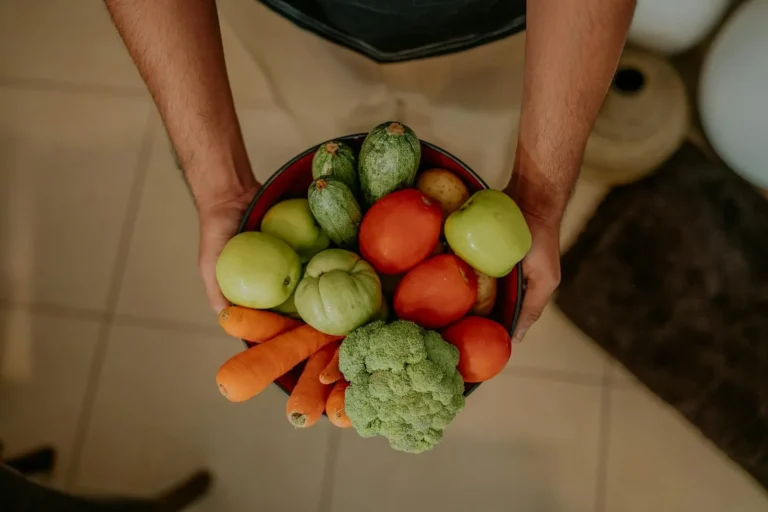
Just because you’re juggling a demanding work schedule doesn’t mean you can’t eat healthily. With simple meal prep strategies, you can ensure that you have nutritious options ready even on your busiest days. By dedicating time to plan and prepare meals, you can save valuable time, reduce the stress of last-minute cooking, and maintain your energy levels throughout the week. This post will provide effective techniques to streamline your meal prep process and keep you on track, no matter how packed your schedule gets.
Key Takeaways:
- Prioritize batch cooking on weekends to ensure healthy meals are ready for the week ahead.
- Utilize portable storage containers for easy transport of meals to work, minimizing food waste.
- Incorporate simple recipes that require minimal ingredients and preparation time to maintain efficiency.
Strategic Planning for Ingredient Selection
Effective meal prep hinges on selecting the right ingredients to streamline your cooking process. Focus on items with long shelf lives and the ability to complement multiple dishes. Aim for a balance between fresh produce, proteins, and whole grains, allowing for flexibility in your weekly menu. This strategic approach minimizes waste while ensuring you can whip up nutritious meals quickly, even on your busiest days.
Prioritizing Versatile Staples
Selecting versatile staples like quinoa, brown rice, and canned beans can greatly enhance your meal prep. These ingredients serve as excellent bases for a variety of meals, from salads to grain bowls. By keeping a well-stocked pantry with these imperatives, you can mix and match ingredients, adapting meals to your taste and reducing the need for elaborate recipes.
Timing Your Grocery Runs
Optimal grocery shopping requires efficient timing to avoid crowds and ensure the freshest selections. Scheduling your trips early in the morning or during weekday afternoons can lead to quieter stores and faster checkouts. Consider aligning your grocery runs with your meal prep schedule to minimize impulse buying, allowing you to focus on acquiring quality ingredients that fit your planned meals.
Shopping during off-peak hours not only saves time but also offers a better selection of fresh produce and new products. For instance, visiting stores mid-morning on weekdays can mean fresher seasonal vegetables on display. Additionally, staying organized with a grocery list that matches your planned meals ensures that you stick to your budget while reducing time spent wandering the aisles. Bulk buying items like frozen vegetables and grains during sales can further enhance your meal prep strategy, accommodating your busy lifestyle.
Batch Cooking: The Time-Saving Secret
Batch cooking allows you to prepare multiple meals in one session, saving significant time and effort throughout the week. By dedicating a few hours on the weekend, you can cook large portions of grains, proteins, and vegetables that can easily be mixed and matched for various meals. This approach reduces the daily stress of cooking and minimizes the temptation to resort to unhealthy takeout options. Efficiently executed, batch cooking transforms your weekdays into a breeze, freeing up time for work and personal life.
One-Pot and Sheet Pan Solutions
Utilizing one-pot and sheet pan meals maximizes your cooking efficiency and minimizes cleanup. Prepare a single dish that combines proteins, vegetables, and grains, allowing flavors to meld beautifully. For instance, roast chicken thighs with asparagus and quinoa on a sheet pan for an all-in-one meal. These methods not only streamline cooking but also ensure you spend less time in the kitchen, actually enjoying the meals you’ve prepared.
Utilizing Freezer-Friendly Recipes
Freezer-friendly recipes are game-changers for your meal prep strategy, enabling you to store meals for future consumption with ease. Dishes like soups, stews, and casseroles can be made in large batches and frozen in portion-sized containers. This ensures you always have a healthy option on hand when your schedule gets tight.
Opting for freezer-friendly recipes can significantly enhance your meal prep routine. Dishes such as chili, vegetable stir-fry, and even breakfast burritos can be prepared in bulk and frozen for up to three months. Invest in high-quality freezer bags or containers, labeling them with dates and contents for easy identification. Thawing meals in the refrigerator overnight provides quick and nutritious options during demanding workdays. With a strategic selection of such recipes, you’ll reduce food waste and enjoy convenient, wholesome meals that fit your busy lifestyle.
Smart Storage Techniques for Maximum Freshness
Maximizing freshness in your meal prep requires savvy storage techniques. Utilizing airtight containers helps to lock in flavor and nutrients, while proper refrigeration can extend the lifespan of your meals. Group similar foods together and make use of your freezer for longer-term storage options. Choosing the right tools and methods ensures that your meals remain delicious and ready to enjoy at a moment’s notice.
Mastering the Art of Meal Containers
Choosing the right meal containers is key to successful meal prep. Opt for glass or BPA-free plastic containers with compartments to prevent flavors from mingling. Durable containers withstand both the freezer and microwave, while leak-proof lids ensure your meals stay fresh without spills. Investing in a variety of sizes accommodates different meal portions and ingredients.
Labeling and Organizing for Efficiency
Effective labeling and organizing of your meal containers streamline your cooking and eating experience. Clearly label each container with the dish name and date prepared, which helps in tracking freshness and reduces food waste. Utilizing a consistent system, such as color-coded labels, adds a visual cue for quick identification and ensures you grab the right meal each time.
Adhering to a structured labeling system can boost efficiency significantly. Use a marker or label maker for legibility, and include additional information, such as reheating instructions or ingredient highlights, to enhance your meal prep. Arrange your meals by type or date in your fridge or freezer to easily locate what you need, reducing the chance of ‘mystery meals’ that can lead to food waste. This simple organization technique saves you time and ensures that as you reach for a meal, you always know what to expect.
Quick Fixes: Meals on the Go
Balancing a packed schedule means having quick and nutritious meal options ready at your fingertips. Look for meals that take minimal prep time yet provide satisfying nourishment. Frozen products, pre-cooked grains, and ready-to-eat salads can be lifesavers. Having a few microwaveable meals or healthy pre-packaged snacks on hand ensures you won’t succumb to unhealthy convenience foods when you’re pressed for time.
Grab-and-Go Snack Ideas
Snacking wisely can bolster your energy without derailing your diet. Prepare individual portions of nuts, yogurt, or hummus with veggie sticks for easy access. Protein bars or whole fruit are great alternatives for busy days. Investing in resealable bags allows you to portion snacks in advance, keeping you fueled without overindulging.
Assembling Quick Lunch Options
Assembling lunch doesn’t need to be time-consuming. Focus on building balanced meals with protein, healthy fats, and fiber-rich carbs. Options like rotisserie chicken, quinoa, and roasted vegetables can be combined effortlessly in minutes. Using your batch-cooked ingredients allows you to throw together salads or wraps that are not only quick but also maintain flavor and freshness.
Creating quick lunch options involves utilizing leftovers and prepped components effectively. Mix and match your protein sources, such as grilled chicken or chickpeas, with various grains like brown rice or farro. Adding fresh greens, like spinach or arugula, along with a simple dressing can elevate your meal instantly. Consider preparing wraps or salad jars that can be easily transported, ensuring you have a nutritious option available, even during the busiest days.
Streamlined Weeknight Cooking Rituals
Creating efficient weeknight cooking rituals will transform your evenings, allowing you to enjoy fresh meals without stress. Establish a specific time for cooking, making it a non-negotiable part of your routine. This consistency streamlines meal prep, enabling you to transition easily from work to dinner. Consider batch cooking on weekends or preparing simple ingredients ahead of time—such as washing vegetables or marinating proteins. With your cooking schedule in place, you’ll find it easier to whip up healthy meals even on the busiest nights.
Rethinking Dinner: 20-Minute Meals
Transforming dinner into a quick, enjoyable experience is possible with 20-minute meals. Focus on recipes that use fewer ingredients but pack many flavors, such as stir-fries, sheet pan dinners, or pasta dishes. Keeping your pantry stocked with imperatives like frozen vegetables, canned beans, and pre-cooked grains can significantly reduce prep time. Creative combinations of seasonings can elevate any quick dish, ensuring that dining at home remains both efficient and delicious.
Incorporating Family Involvement
Engaging your family in the cooking process can drastically cut down on meal prep time while fostering togetherness. Assign tasks based on age and skill, such as chopping veggies or stirring sauces. Incorporating team cooking not only makes meal times quicker but also encourages bonding and shared learning experiences. Consider setting a designated night where everyone comes together to cook, making it a fun family tradition rather than a chore.
When you involve your family in meal preparation, you cultivate teamwork and teach valuable cooking skills. You can split responsibilities by designating roles: one person might chop while another preps side dishes. This collaboration minimizes stress and allows everyone to contribute, ultimately leading to a more enjoyable dinner experience. Additionally, asking for input on meal choices can make everyone more invested in the meals you prepare, leading to healthier eating habits for the whole family.
To wrap up
From above, you’ve learned that effective meal prep can significantly enhance your productivity while managing a demanding work schedule. By implementing these simple strategies—planning meals, prepping in batches, and utilizing versatile ingredients—you can streamline your eating habits and maintain energy levels throughout your long hours. Prioritizing meal prep not only saves time but also promotes healthier choices that benefit your overall well-being. With these techniques, you can transform your approach to food, allowing you to focus on your professional commitments without sacrificing nutrition.
FAQ
Q: What are some quick meal prep ideas for busy professionals?
A: Consider batch cooking grains like quinoa or brown rice on weekends, roasting vegetables, and preparing proteins such as chicken or tofu in bulk. Store them in portioned containers for easy access during the week.
Q: How can I maintain a balanced diet with limited cooking time?
A: Focus on incorporating a variety of food groups in your meals. Use ready-to-eat items like canned beans, frozen fruits, and pre-washed salad greens. Combine these with your meal prepped items to achieve balance without spending too much time in the kitchen.
Q: What kitchen tools can help streamline meal prep for a busy schedule?
A: Invest in tools like a slow cooker, Instant Pot, or a food processor to save time. Additionally, using storage containers that are microwave and dishwasher safe can make reheating and cleaning up much more efficient.