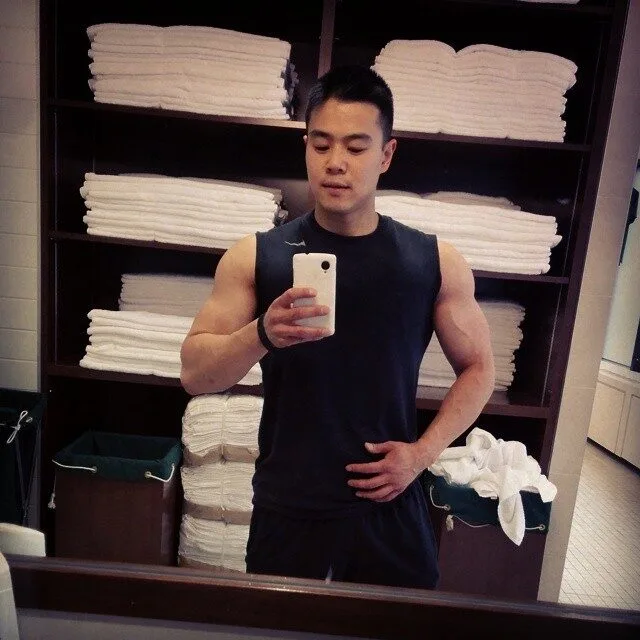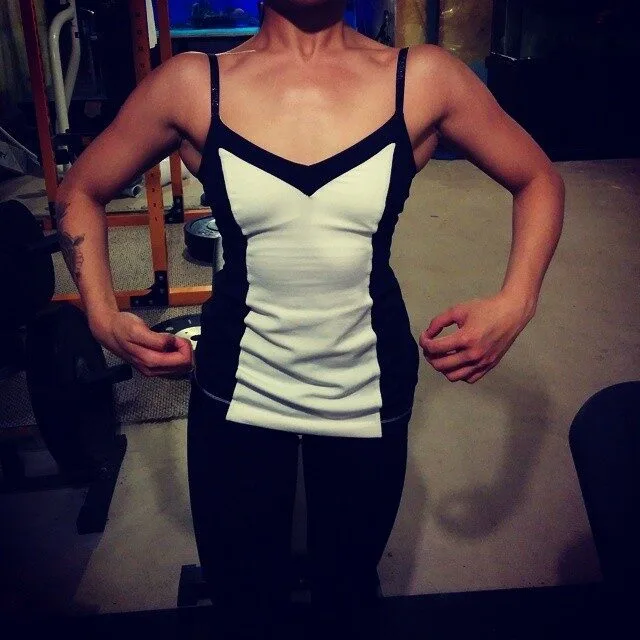
You can set yourself up for success by focusing on a few key steps when starting any fitness program. First, establish clear goals that align with your personal aspirations and abilities. Next, find an activity you enjoy to ensure consistency and sustainability. It’s also vital to create a structured plan that includes progressive challenges to keep you engaged. Moreover, listen to your body and prioritize recovery to prevent injury. By following these guidelines, you’ll ensure a safe and effective journey towards improved fitness.
Key Takeaways:
- Set clear, achievable goals to maintain motivation.
- Choose activities you enjoy to ensure consistency.
- Begin gradually to prevent injury and promote sustainability.
Understanding Your Fitness Goals
Defining your fitness goals paves the way for a successful program. Specific, measurable, achievable, relevant, and time-bound (SMART) criteria can guide you in setting objectives that inspire dedication and focus. Whether you aim to lose weight, build muscle, or improve endurance, understanding your aspirations aids in selecting the right approach tailored to your needs.
Setting Realistic Objectives
Sustainable fitness progress hinges on setting realistic objectives. Aim for incremental improvements rather than drastic changes that may be overwhelming. For instance, rather than committing to a daily hour at the gym, consider starting with three 30-minute sessions per week. This approach promotes consistency and helps prevent burnout.
Determining Your Fitness Level
Your current fitness level significantly impacts how you structure your program. Assessments can include evaluating your endurance via a simple timed running test, measuring flexibility with stretching exercises, or checking strength through bodyweight exercises like push-ups or squats. Such evaluations provide a clear picture of where you stand and what adjustments are necessary to maximize your training effectiveness.
To accurately gauge your fitness level, you might include activities such as a 1-mile walk or run, tracking your completion time and perceived exertion. Compare these results against standard fitness charts or health guidelines to identify your starting point. Additionally, reflecting on past exercise experiences can uncover your strengths and weaknesses, informing your approach and helping in the development of a personalized training plan that meets your unique needs.
Choosing the Right Program
Selecting an appropriate fitness program hinges on understanding your personal preferences and goals. Consider factors such as your current fitness level, available time, and specific interests. A program that resonates with you will foster adherence and promote long-term success.
Types of Fitness Programs
Various fitness programs cater to different objectives and lifestyles. Here’s a brief overview:
- Cardio: Enhances heart health through activities like running and cycling.
- Strength Training: Builds muscle using weights or resistance.
- Flexibility: Improves range of motion through yoga or stretching.
- HIIT: Offers intense bursts of exercise followed by rest.
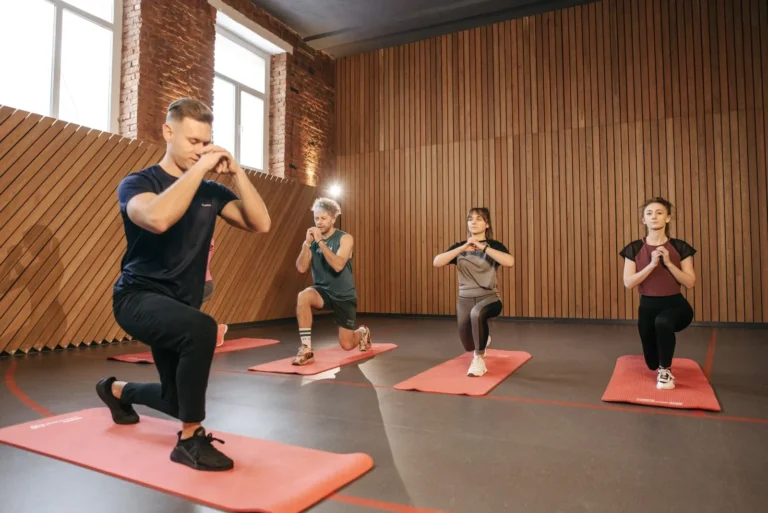
- Group Classes: Provides motivation and social interaction.
Any program you choose should align with your fitness aspirations and lifestyle for optimal results.
| Program Type | Focus Area |
| Cardio | Endurance |
| Strength | Muscle building |
| Flexibility | Mobility |
| HIIT | Burning fat |
| Group Classes | Community support |
Tailoring the Program to Your Needs
A customized fitness program allows you to prioritize your unique preferences and constraints. Start by assessing your fitness level, available resources, and specific goals. Incorporate activities that you genuinely enjoy and can realistically sustain over time.
To tailor a program effectively, take time to evaluate your current fitness level and determine what you enjoy. For instance, if you prefer interactive workouts, consider group classes. If you have time constraints, opt for shorter, high-intensity workouts. Adjust the frequency and intensity according to your schedule, ensuring you progressively challenge yourself without risking burnout or injury. This personalized approach not only enhances motivation but also contributes to a sense of ownership over your fitness journey.
Essential Equipment and Resources
Access to the right equipment and resources can significantly enhance your fitness journey. Depending on your chosen program, crucial gear may include free weights, resistance bands, a yoga mat, or specific sports gear. If you opt for home workouts, comfort and adaptability are key; conversely, gym facilities offer a broader range of specialized machines. Identify what aligns with your goals to set a solid foundation.
Home vs. Gym Equipment
Your choice between home or gym equipment affects both convenience and variety in workouts. At home, you can utilize minimal gear like dumbbells or resistance bands, which allows for flexibility in scheduling. Gyms provide extensive equipment, such as weight machines, cardio machines, and group classes, enabling a broader range of exercises that can keep your routine engaging.
Online Resources and Apps
The digital landscape offers a wealth of online resources and fitness apps designed to facilitate your fitness journey. Popular platforms provide tailored workout routines, instructional videos, and interactive challenges that engage you while tracking your progress. Many apps also include nutrition advice, which complements your workout routine.
Utilizing online resources and apps can elevate your fitness experience with personalized approaches. For example, apps like MyFitnessPal assist with meal tracking and nutritional goals, while others, such as Nike Training Club, offer a library of workouts led by professional trainers. Engaging with fitness communities through social media or platforms like Strava can foster motivation and accountability, creating a supportive environment tailored for your success. You’ll find forums for sharing progress, challenges, and tips, enriching your fitness journey with collective knowledge and encouragement.
Creating a Sustainable Routine
Establishing a sustainable fitness routine involves consistency and adaptability. Start by identifying time slots in your schedule that you can commit to regularly for workouts. Prioritize these sessions just like any important appointment, and gradually build the habit. This seamless integration of fitness into your daily life promotes long-term adherence, making it easier to achieve your goals without feeling overwhelmed.
Scheduling Workouts
Finding the best times to work out requires a personal assessment of your daily schedule. Choose intervals that align with your peak energy levels, whether it’s early mornings or late evenings. Block these times on your calendar and treat them as non-negotiable, ensuring you maintain consistency and accountability throughout your fitness journey.
Incorporating Variety
Injecting variety into your workouts combats boredom and enhances motivation. Experiment with different activities each week to discover what resonates with you, such as swimming, cycling, or group fitness classes. Not only does this keep things fresh, but it also challenges your body in new ways, promoting overall strength and endurance improvements.
Incorporating variety isn’t just about switching exercises; it also includes alternating the intensity and duration of your workouts. For example, alternating between high-intensity interval training (HIIT) sessions and lower-intensity yoga can balance your routine effectively. This variation can prevent plateaus and encourage continuous progress, ensuring that you not only enjoy your fitness journey but also achieve lasting results. Try to include at least three different activities each week to keep your routine engaging and dynamic.
Nutrition and Its Role in Fitness
Food is not just fuel; it’s a fundamental part of your fitness journey. Proper nutrition enhances your performance, recovery, and overall well-being. Prioritizing a balanced diet rich in nutrients helps with energy levels, muscle repair, and weight management, allowing you to get the most out of your workouts.
Understanding Macronutrients
Macronutrients—proteins, carbohydrates, and fats—play distinct yet interconnected roles in your nutrition. Proteins are vital for muscle repair and growth, while carbohydrates serve as your body’s primary energy source, fueling your workouts. Fats, though often misunderstood, are vital for hormone production and overall health. Balancing these macronutrients is key to maximizing your fitness results.
Meal Planning for Fitness
Meal planning is a powerful tool to ensure you meet your nutritional needs. By preparing balanced meals ahead of time, you minimize the risk of impulsive, unhealthy eating. Incorporating a variety of nutrient-dense foods not only optimizes your energy levels but also supports recovery and muscle growth effectively.
Meal planning can take your fitness efforts to the next level. Begin by setting specific caloric and macronutrient goals based on your activity level and fitness aims. Consider prepping meals in advance, focusing on lean proteins, whole grains, and ample fruits and vegetables, which support sustained energy. Utilize tools like meal prep containers and apps to streamline the process, keeping you organized and on track. Aim for a weekly plan that incorporates different meals, ensuring variety and adherence to your goals.
Staying Motivated and Overcoming Challenges
Maintaining motivation throughout your fitness journey often becomes a challenge as obstacles arise. You can combat this by setting realistic goals and celebrating small achievements. Implementing a flexible mindset allows you to adapt to setbacks without losing sight of your overall objectives. Finding activities you genuinely enjoy and varying your routine can also keep your enthusiasm high, ensuring you remain committed even on tougher days.
Tracking Progress
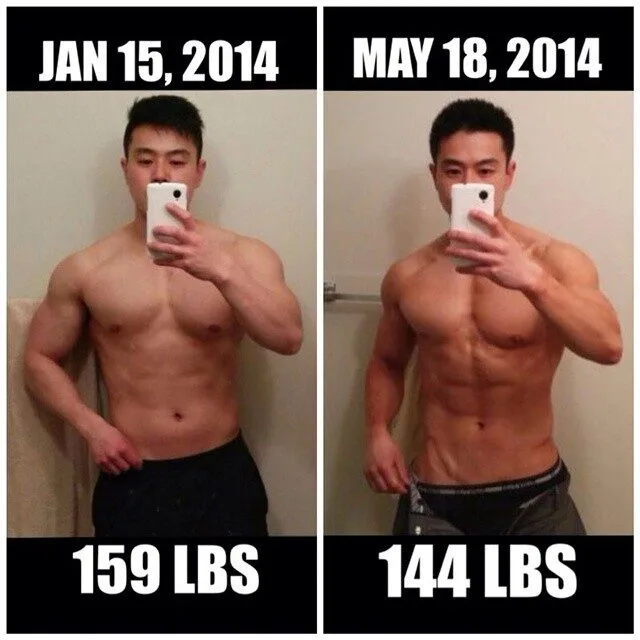
Documenting your fitness journey provides a tangible way to observe growth and maintain motivation. Utilize apps or journals to record workouts, nutrition, and milestones. This tracking not only helps you recognize patterns but also reinforces accountability, allowing you to adjust your approach based on measurable outcomes.
Finding a Support System
A solid support system can significantly enhance your fitness experience. Surrounding yourself with like-minded individuals—friends, family, or communities—encourages accountability and inspiration, making challenges easier to navigate.
Engaging with a support system involves joining fitness classes, online forums, or local clubs where you can share experiences and advice. Connecting with others facing similar struggles fosters a sense of camaraderie. Studies have shown that individuals who participate in group activities are 42% more likely to stick to their fitness plans. Shared workouts not only boost motivation but also create lasting friendships, making your journey more enjoyable and sustainable.
Summing Up
Ultimately, the best way to get started with any fitness program is to set realistic goals, establish a consistent routine, and choose activities that you enjoy. Begin by assessing your current fitness level and gradually incorporate exercises that challenge you without causing injury. Staying accountable through progress tracking or finding a workout partner can enhance your commitment. Finally, prioritize recovery and nutrition to support your overall health and ensure long-term success in your fitness journey.
FAQ
Q: What should I consider before starting a fitness program?
A: Consider your current fitness level, any health issues, your personal fitness goals, and the amount of time you can dedicate weekly. It’s important to set realistic expectations and choose activities you enjoy to maintain motivation.
Q: How can I create a balanced fitness routine?
A: A balanced fitness routine includes a mix of cardiovascular exercises, strength training, and flexibility workouts. Aim for at least 150 minutes of moderate aerobic activity or 75 minutes of vigorous activity each week, along with muscle-strengthening activities on two or more days.
Q: What resources can help me get started with my fitness journey?
A: Utilize various resources such as fitness apps, online workout videos, local fitness classes, or personal trainers. Books and articles about fitness can also provide guidance on proper techniques and program structuring.