Over the years, establishing a solid fitness routine can tremendously enhance your overall health and well-being. As a beginner, it’s necessary to focus on exercises that are safe and effective, enabling you to build strength and endurance without risking injury. Incorporating movements like bodyweight squats, plank variations, and light cardio into your regimen can create a balanced foundation. With consistent practice, you’ll gain confidence and proficiency, setting the stage for more advanced workouts in the future.
Key Takeaways:
- Focus on bodyweight exercises like squats, push-ups, and planks for foundational strength.
- Incorporate cardio activities such as walking, jogging, or cycling to improve cardiovascular health.
- Gradually increase intensity and duration to avoid injury and promote consistent progress.
Understanding Fitness Goals
Setting clear fitness goals is important in creating a focused exercise plan. These goals guide your workout sessions, helping you to stay motivated and track your progress over time. By identifying what you want to achieve, you can tailor your exercises and make informed decisions about your fitness journey.
Importance of Setting Goals
Establishing specific fitness goals allows you to measure your achievements and stay accountable. Whether aiming for weight loss or building endurance, goals provide direction. They encourage consistency and elevate your commitment, ensuring that your workouts are aligned with your aspirations.
Types of Fitness Goals
Your fitness objectives can be categorized into distinct types. These include long-term vs. short-term goals, performance goals focusing on specific achievements, and health-based aims that address overall wellness. Understanding these categories enables you to create a balanced and realistic exercise routine.
| Type of Goal | Description |
|---|---|
| Long-term | Goals set for an extended period, such as six months or a year. |
| Short-term | Goals achieved in a few weeks or months, offering quick wins. |
| Performance | Aim to enhance specific abilities like speed or strength. |
| Health-Based | Focus on improving overall wellness, such as reducing cholesterol. |
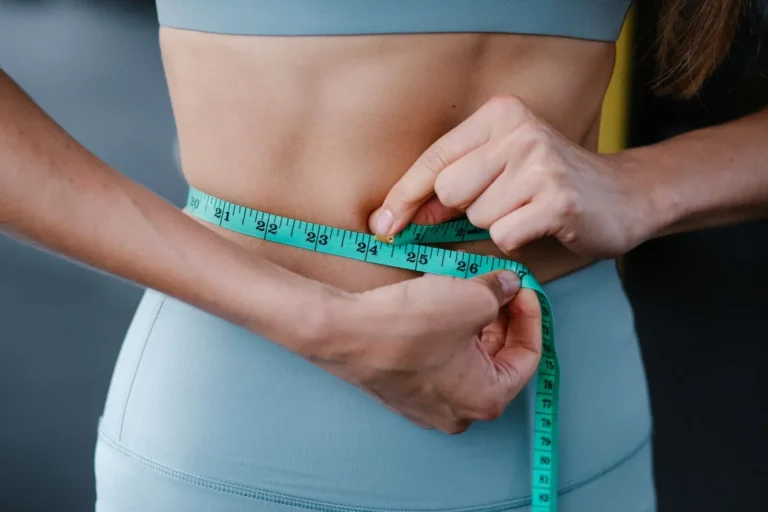
| Weight Loss | Targets related to achieving a desired body weight or fat percentage. |
Different types of fitness goals cater to various aspects of your health journey. Long-term goals might focus on reaching a target weight by a set date, while short-term goals can include completing a certain number of workouts weekly. Performance goals, such as running a 5K within a specific time, challenge you physically and mentally. Health-based aims often involve doctor-recommended changes, like increasing daily activity levels. Weight loss targets provide concrete numbers that can drive your daily choices and motivational strategies. Thou should consider these types when creating your personal fitness plan.
- Long-term goals
- Short-term goals
- Performance goals
- Health-Based goals
- Weight Loss targets
Essential Beginner Exercises
Starting your fitness journey involves incorporating imperative exercises that lay the groundwork for stronger muscles and improved endurance. Focus on a mix of bodyweight exercises and cardiovascular workouts, allowing you to build strength and stamina efficiently. These foundational movements pave the way for more advanced routines and help you develop a sustainable fitness habit.
Bodyweight Exercises
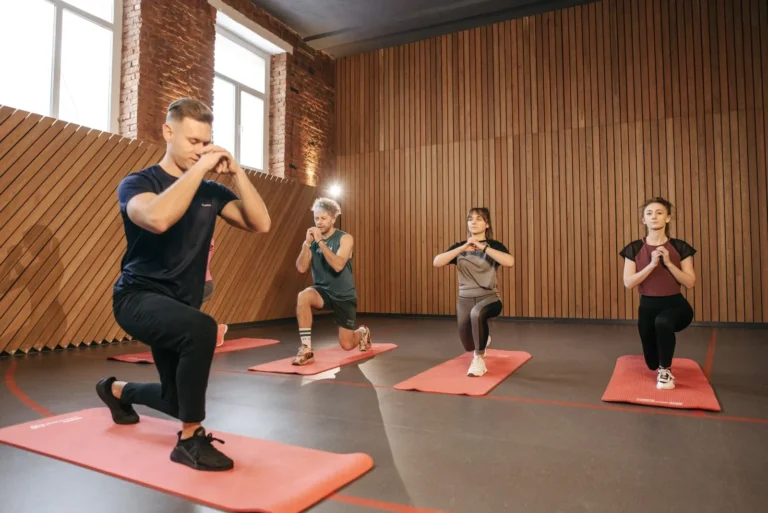
Bodyweight exercises are fantastic for beginners as they require no equipment and can be performed anywhere. Fundamental movements like push-ups, squats, and planks strengthen multiple muscle groups, improving overall stability and endurance. Aim for 2 to 3 sets of 8 to 12 repetitions, gradually increasing the difficulty as your strength improves.
Cardiovascular Workouts
Cardiovascular workouts are imperative for boosting your heart health and burning calories. Engaging in activities like walking, jogging, or cycling for at least 150 minutes per week meets the American Heart Association’s recommendations. Start with short intervals, mixing intense bursts with recovery, which will help you build endurance over time.
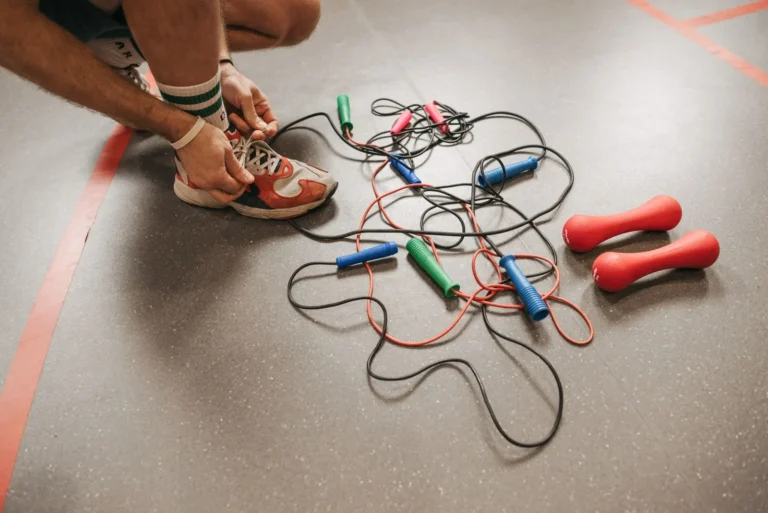
Incorporating cardiovascular workouts into your routine doesn’t have to be monotonous. Alternating activities keeps it exciting; consider trying a dance class, swimming, or even using a jumping rope. Tracking your progress through apps or fitness trackers can also motivate you to push your limits and stay consistent. Finding a workout buddy can further enhance your experience and commitment, transforming a solitary activity into a shared goal.
Strength Training Basics
Introduction to Weight Training
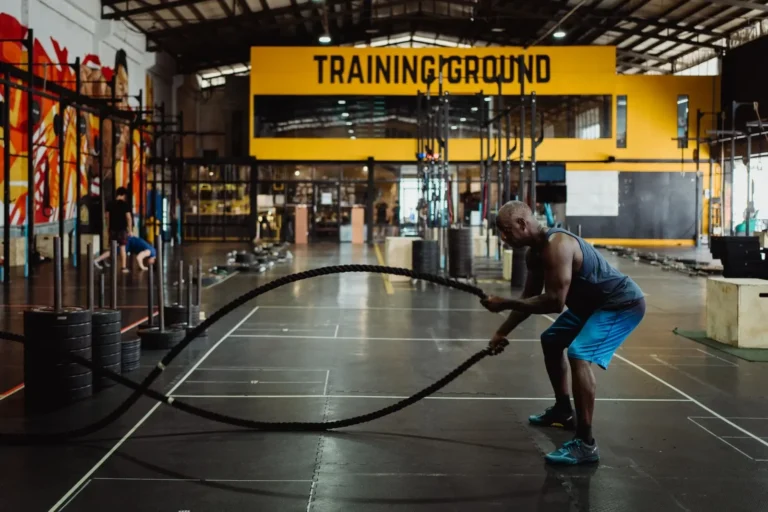
Weight training focuses on using resistance to build muscle strength, endurance, and size. For beginners, familiarization with weight equipment and body mechanics is vital. Starting with lighter weights enables you to develop proper form, reducing the risk of injuries while maximizing the effectiveness of your workouts. By incorporating strength training into your routine, you enhance not only your physical appearance but also your metabolic rate, making daily activities easier.
Key Strength Exercises for Beginners
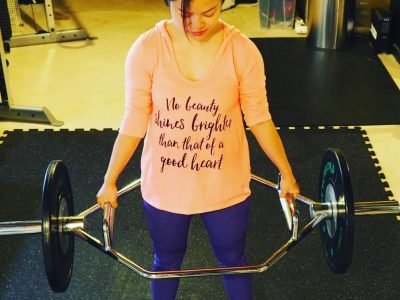
Include fundamental exercises that engage multiple muscle groups and promote overall strength. The squat, push-up, deadlift, and plank are excellent starting points. These movements can be modified based on your fitness level, and they help in building a solid foundation for more complex exercises as your strength increases.
The squat effectively targets your legs and core, while the push-up focuses on your upper body. Deadlifts engage both the upper and lower body, strengthening your back, glutes, and hamstrings. Planks challenge your core stability, which is vital in all other exercises. Incorporating these key exercises into your routine can significantly enhance your strength and prepare you for more advanced workouts, laying the groundwork for a balanced fitness plan.
Flexibility and Mobility
Incorporating flexibility and mobility exercises into your routine enhances your overall fitness, allowing for better movement mechanics and injury prevention. These exercises improve joint health, circulation, and posture, leading to greater efficiency in your workouts and daily activities.
Importance of Stretching
Stretching enhances your range of motion and prepares your muscles for more strenuous activity. Studies show that regular stretching can increase flexibility by up to 30%, promoting better muscle function and reducing the risk of strains.
Recommended Stretching Exercises
Begin with basic stretches that target major muscle groups. Effective options include the standing quadriceps stretch, chest opener, hamstring stretch, and shoulder stretch. Holding each stretch for 15-30 seconds enhances flexibility while ensuring muscles remain pliable.
For a comprehensive flexibility routine, focus on dynamic stretches like leg swings and arm circles for warming up, then transition to static stretches post-workout. Incorporate yoga poses, such as downward dog and cat-cow, for a holistic approach to flexibility. Consistency is key; aim for at least three times a week to see significant improvements and maintain mobility throughout your fitness journey.
Creating a Balanced Routine
A balanced fitness routine blends strength training, cardiovascular exercise, and flexibility work to target various aspects of fitness. You should aim for a combination that not only builds muscle and endurance but also improves your range of motion and reduces injury risk. Consider incorporating different activities each week to keep your routine engaging and ensure comprehensive development.
Weekly Workout Structure
Create a weekly workout schedule that includes at least three strength training sessions, two to three days of cardiovascular exercise, and flexibility workouts throughout the week. For instance, you might lift weights on Mondays, engage in cardio on Wednesdays and Fridays, and dedicate time to stretching or yoga on Sundays. This variety helps to prevent plateaus and keeps your motivation high.
Incorporating Rest Days
Rest days play a pivotal role in your fitness journey, allowing your muscles to recover and grow stronger. Without sufficient recovery time, you risk overtraining, which can lead to fatigue and injury. Aim for at least one to two rest days per week, particularly after intense workouts, to maintain optimal performance and progress.
During rest days, allow your body to recuperate by engaging in low-intensity activities such as walking or gentle stretching. These activities promote blood flow without taxing your muscles further. Moreover, listen to your body; if you feel unusually fatigued or sore, an extra rest day may be beneficial. Prioritizing recovery will enhance your strength gains and overall fitness in the long run.
Nutrition for Fitness Beginners
Nutritional habits play a vital role in achieving fitness goals. Fueling your body with the right nutrients not only supports your exercise routine but also enhances recovery and overall well-being. Incorporating a variety of whole foods, such as fruits, vegetables, lean proteins, whole grains, and healthy fats, provides the necessary energy and building blocks for muscle repair and growth. Focusing on nutrient density, rather than calorie counting, can lead to lasting dietary changes and improved performance.
Importance of Proper Nutrition
Proper nutrition is the foundation of any successful fitness journey. Your body requires a balance of macronutrients and micronutrients to function optimally. For instance, protein aids muscle repair, while carbohydrates provide energy for workouts. Insufficient nutrition can lead to fatigue, decreased performance, and hinder progress. By prioritizing balanced meals, you ensure your body has the resources it needs to recover and thrive.
Nutrient Timing and Meal Planning
Effective meal planning includes understanding nutrient timing to maximize workout results. Consuming carbohydrates and proteins before and after exercise can enhance performance and recovery. For example, have a mix of protein and carbs within 30 minutes post-workout to replenish glycogen stores and initiate muscle repair. Establishing a structured meal plan tailored to your routine and goals keeps you energized throughout the day.
Nutrient timing and meal planning also involve strategic choices throughout the day to align with your workout schedule. Aim for a pre-workout meal rich in carbohydrates and moderate in protein about 1-2 hours before exercising. This ensures you have sufficient energy. Afterward, a balanced meal with protein, healthy fats, and complex carbs will facilitate muscle recovery. Additionally, planning snacks that are convenient and nutritious helps maintain energy levels, preventing impulsive eating that often leads to unhealthy choices. By prioritizing these strategies, you enhance your overall performance and support your body’s needs effectively.
Conclusion
As a reminder, starting your fitness journey involves selecting exercises that are manageable and effective. Focus on bodyweight workouts, such as squats, push-ups, and planks, to build a strong foundation. Incorporate walking, cycling, or swimming for cardiovascular health. Aim for a balanced routine that combines strength training, flexibility, and endurance. Listening to your body and progressing at your own pace will ensure you stay motivated and injury-free. Consistency is key, so find activities you enjoy to sustain your commitment to fitness.
FAQ
Q: What are some effective cardio exercises for beginners?
A: Effective cardio exercises for beginners include brisk walking, cycling, and swimming. These activities help improve cardiovascular fitness while being gentle on the joints. Starting with 20-30 minutes, 3-4 times a week can lead to gradual improvements.
Q: Which strength training exercises should beginners start with?
A: Beginners should consider bodyweight exercises like squats, push-ups, and lunges. These exercises engage multiple muscle groups and can be performed without equipment. Aim for 2-3 sets of 8-12 repetitions as comfortable.
Q: How can beginners improve their flexibility?
A: To improve flexibility, beginners can incorporate stretching routines, such as yoga or simple static stretches targeting major muscle groups. Spending 10-15 minutes after workouts to stretch can enhance mobility and prevent injury.