Many people assume short workouts don’t matter, but when you structure them deliberately and progress them over time, 5-10 minute sessions can deliver real gains; you can build consistency, raise daily activity, and improve strength, endurance, and metabolic health while fitting training into a busy life – however, be aware of the increased risk of injury if you rush sets or sacrifice proper form, so prioritize technique and gradual overload.
Key Takeaways:
- Short 5-10 minute sessions can meaningfully improve fitness when done regularly or at moderate-to-high intensity, increasing weekly activity and supporting cardiovascular and muscular health.
- Effectiveness depends on intensity and progression-brief HIIT or focused resistance work produces greater gains than low-effort movement; longer or more frequent sessions are needed for maximal strength or endurance improvements.
- Micro-workouts enhance adherence and can be stacked throughout the day; prioritize compound exercises, planned progression, and sufficient weekly volume to meet goals.
Definition of Micro-Workouts
Micro-workouts are brief exercise bouts of roughly 5-10 minutes that you sprinkle through your day to boost activity without a full gym session. They rely on frequent repetition and targeted movement patterns so you can improve conditioning and strength over time, though they often complement rather than fully replace longer workouts.
Brief sessions
In brief sessions you focus on compact, purposeful movements that maximize effect in little time; you can do bodyweight circuits, stair climbs, or kettlebell swings to raise heart rate quickly. The format is time-friendly, easier to fit into your workdays, and helps build consistency when longer workouts feel impossible.
Intensity levels
Intensity determines results: low-intensity micro-workouts aid mobility and recovery, while high-intensity sessions deliver cardiovascular and metabolic gains if you push near your limits. You should vary intensity across sessions to progress safely and avoid plateaus; improper ramp-up can increase the risk of injury.
For best results, structure intensity like progressive overload: alternate harder 5-10 minute intervals with easier recovery bursts so your fitness improves without overtaxing your system. If you have health issues or poor technique, the danger is acute-start easier, focus on form, and consult a professional; when done well, short intense sessions yield meaningful fitness gains and better adherence to your routine.
Benefits of Micro-Workouts
Micro-workouts let you stack frequent 5-10 minute sessions throughout the day to build strength, endurance, and improve metabolic health, boosting adherence and cutting sedentary time. Short bursts can produce measurable gains and fit into your routine, but poor technique or repeatedly very high intensity increases injury risk, so you should balance frequency with recovery.
Time-efficient
Micro-sessions fit even the busiest schedule, letting you deliver a useful training stimulus without a long gym block. By targeting one or two movement patterns in 5-10 minutes you preserve quality and consistency, making it easier for you to accumulate weekly volume and avoid skipped workouts.
Increased motivation
Short, achievable sessions create quick wins that make you more likely to keep exercising. When goals are realistic and progress is visible, you maintain momentum and reduce barriers to starting, which increases your long-term adherence.
Micro-workouts lower friction and reinforce a simple habit loop-cue, action, reward-so frequent feedback and completion boost your motivation with steady wins. Using tracking, timed prompts, or a training buddy amplifies this effect, but if you rely solely on mini-sessions for advanced goals you may plateau; integrate them into a plan that raises intensity and volume over time.
Types of Micro-Workouts
You can pick from varied Micro-Workouts-brief sessions that target cardio, strength, mobility or mixed systems. Some rely on intense bursts like HIIT, others use steady bodyweight moves or light equipment. Positive: time-efficient and habit-forming; Danger: poor form or overload raises injury risk. Knowing how to match a type to your fitness level and recovery makes short sessions effective.
| HIIT | Tabata sprints, cycling intervals |
| Bodyweight | Push-ups, squats, planks |
| Strength | Mini kettlebell or dumbbell circuits |
| Mobility | Dynamic stretches, yoga flows |
| Mixed circuits | AMRAPs combining cardio and strength |
- Time-efficient ways to maintain consistency
- Scalable intensity to fit your level
- Minimal equipment options available
High-intensity interval training
You can use HIIT micro-workouts to alternate all-out efforts with short rests, delivering big cardiovascular and metabolic benefits in minutes. Positive: rapid improvements in fitness and calorie burn; Danger: high cardiovascular and joint stress if you increase intensity too fast. You should warm up and tailor intervals to your experience.
Bodyweight exercises
You can perform effective strength work with bodyweight moves-squats, lunges, push-ups and planks-that fit any 5-10 minute block and require no gear. Positive: accessible and low-cost; Danger: form fatigue can lead to injury, so prioritize control and progression.
You should progress bodyweight exercises by increasing reps, changing leverage (e.g., incline/decline), slowing tempo, or adding unilateral patterns; combine with short rests or circuits to raise intensity. Important: focus on flawless technique, adjust difficulty to your capacity, and seek professional guidance if you have pain or medical conditions.
Targeting Muscle Groups
Micro-workouts can hit specific muscles without a long session; when you focus sets on a group multiple times daily, you stimulate growth and endurance. Keep intensity and form high: proper technique is the most important factor for gains, while poor form increases injury risk. Short sessions support consistent progress.
Full-body routines
In 5-10 minutes you can perform a circuit of compound moves that work your legs, core, and upper body; you should choose exercises that recruit multiple joints to maximize effect. High-intensity, well-paced circuits boost cardiovascular fitness and strength, but overloading without rest raises injury risk, so scale reps and intensity to your fitness level.
Specific focus areas
You can dedicate micro-sessions to a single area-glutes, shoulders, or core-to bring extra volume without long workouts. Use varied angles and tempos to stimulate adaptation. Targeted mini-sessions accelerate weak-point improvement, but over-frequent single-area work can create imbalances or overuse injuries, so rotate focus and include recovery.
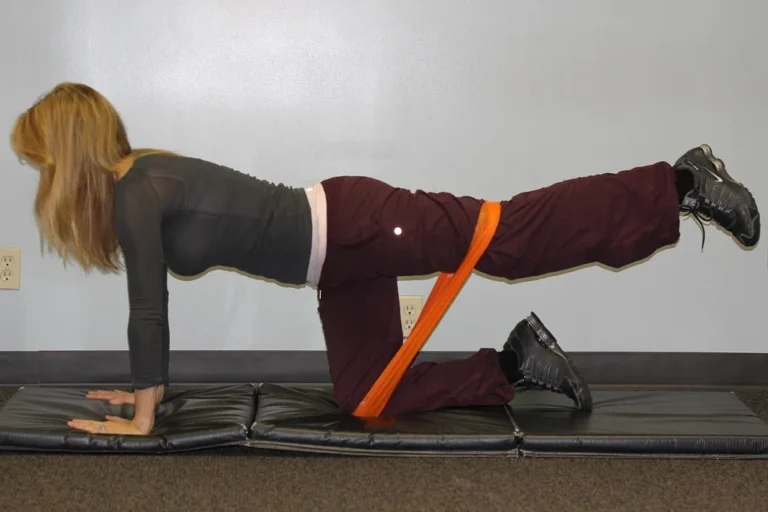
For shoulders do short sets of push-presses or lateral raises, for glutes use single-leg bridges or banded squats, and for core mix planks with dynamic twists; pick 2-3 moves and perform 3-4 sets spaced through the day. Prioritize progressive overload and pain-free motion-if you feel sharp pain stop and reassess form or load.
Frequency of Sessions
You can spread micro-workouts throughout the day to accumulate volume and improve consistency; high frequency boosts skill learning and steady progress, but results depend on intensity and recovery. If you ignore rest, you raise injury and overtraining risk. Vary intensity across sessions so your body can adapt while you maintain daily movement and gradual overload.
Daily workouts
Doing short sessions every day helps you build habit and maintain fitness; daily movement builds habit and neuromuscular adaptation. Keep most days low-to-moderate intensity and reserve one or two sessions weekly for harder efforts. If you perform high-intensity every day, you may hinder recovery and increase injury risk.
Weekly plans
Design your week so micro-workouts target different systems-strength, mobility, and cardio-while avoiding repeated heavy efforts. Schedule harder sessions non-consecutively and include at least one active-recovery or rest day; schedule at least one full rest or active recovery day. This balance lets your fitness accumulate without chronic fatigue while keeping consistency high.
For example, do strength-focused micro-workouts on two non-consecutive days, cardio on three lighter days, and mobility daily; track total weekly volume and adjust if you notice persistent soreness or declining performance. Avoid stacking high-intensity micro-sessions back-to-back-consecutive intense sessions amplify injury risk-and use perceived exertion to guide progression.
Limitations of Micro-Workouts
Micro-workouts offer convenience, but they often lack the volume and progressive overload needed for substantial strength and hypertrophy, and you may hit a plateau faster. You also face a higher risk of injury if you push intensity without adequate warm-up or recovery, while inconsistent scheduling can blunt benefits. On the positive side, they improve adherence and reduce sedentary time, but you must pair them with a broader plan to meet ambitious fitness goals.
Duration concerns
Because sessions are only 5-10 minutes, you may not reach the training thresholds required for meaningful endurance or muscle gains, especially for compound lifts. Short bursts can be effective for maintenance, fat loss, or tempo work, but they’re inadequate alone for progressive strength development. To make them work, you must stack sessions or increase intensity and complexity over time.
Progress tracking
Tracking improvement is harder when workouts are brief: small performance changes can be masked and you may get a false sense of progress if you rely solely on perceived effort. Without consistent metrics, you can’t apply progressive overload reliably, so objective tracking of volume, intensity, or heart rate becomes vital to know whether your micro-sessions are effective.
To track effectively, log sets, reps, resistance, time, and perceived exertion, use a wearable to monitor heart rate or recovery, and run monthly performance checks like timed runs or a strength test. Establish simple progressive goals (more reps, shorter rest, higher intensity) so you can detect real gains and avoid the danger of plateauing or thinking short sessions are enough for major goals.
Comparison with Traditional Workouts
| Micro-Workouts | Traditional Workouts |
|---|---|
| Time-efficient; frequent short sessions boost consistency and can sustain fitness when you lack long blocks of time; lower per-session volume. | Higher volume/intensity; longer sessions favor greater hypertrophy and endurance adaptations but require more time and recovery; can produce faster gains if you commit. |
Effectiveness evaluation
You can build cardiovascular fitness and maintain strength with micro-workouts if you apply progressive overload and consistency. Micro-sessions often produce slower hypertrophy than longer workouts, and if you push every short session too hard, injury risk rises. Combining frequent micro-sessions with periodic longer workouts lets you capture both convenience and substantial gains.
Commitment levels
You’re more likely to start and stick with very short workouts because they remove time barriers; this improves adherence. However, skipping many micro-sessions quickly reduces weekly volume, so you must plan them purposefully. Micro-workouts reward consistent daily effort more than sporadic long sessions.
To sustain micro-workouts, set simple cues (time, location) and track cumulative minutes so small wins compound. Use variety and accountability to avoid boredom; without progression or added volume, your improvements will plateau, and overtraining in too-intense short bursts can be harmful.
Incorporating Micro-Workouts
You can weave micro-workouts into your day through habit stacking, timed breaks, or short scheduled sessions; the most important factor is consistency, since frequent brief efforts compound into meaningful gains. Keep sessions varied to target strength, mobility, and cardio, and watch for signs of overuse-poor form or sudden sharp pain can be dangerous if ignored-while enjoying the positive boost to energy and fitness.
Daily activities
You can turn routine tasks into fitness opportunities: take stairs, do calf raises while waiting, or add 5-10 minute brisk walks or desk exercises between meetings. These small bursts raise your daily movement and NEAT, which is a positive contributor to weight control and endurance. Stop if you feel sharp pain-continuing through it can be dangerous.
At-home sessions
You can do focused at-home micro-workouts with bodyweight circuits, resistance bands, or a jump rope: pick 3-5 moves and rotate 20-40 seconds on with short rests. Prioritize form and gradual progression; consistency drives results, while rushing technique or skipping warm-ups increases injury risk and is dangerous. The convenience is a clear positive.
For more effective at-home sessions, structure a brief warm-up, 6-10 minutes of alternating strength and cardio intervals, and a short mobility cool-down; scale intensity by adjusting work duration or adding resistance. Track progress with reps or time to ensure progressive overload, and pause if you sense sharp joint pain-maintaining good form and recovery prevents the most common and dangerous setbacks while maximizing the positive fitness gains.
Case Studies and Research
You will find growing evidence that micro-workouts of 5-10 minute sessions can measurably improve your fitness, especially when you match frequency and intensity to goals; studies report gains in cardiorespiratory markers, strength and adherence while noting a small risk of injury if you progress too fast.
- 6-week HIIT trial (N=30): 6×/day 6‑minute intervals produced a VO2max rise of +9% and body fat reduction of −3%; no serious adverse events.
- Workplace study (N=120, 12 weeks): 10‑minute sessions, 3×/week → strength +15%, self-reported productivity +12%, adherence 82%.
- Older adults trial (N=45, 12 weeks): daily 10‑minute sessions → walking speed +0.18 m/s, balance scores improved; minor soreness reported by 11%.
- Meta-analysis (20 RCTs, N≈2,000): sessions <15 min showed small-to-moderate effect on cardiorespiratory fitness (SMD ≈0.35); effects larger when frequency ≥4/week.
- Metabolic markers study (N=60, 8 weeks): 7‑minute bouts 5×/day → fasting glucose −6%, insulin sensitivity +10%; benefits tied to session intensity.
Success stories
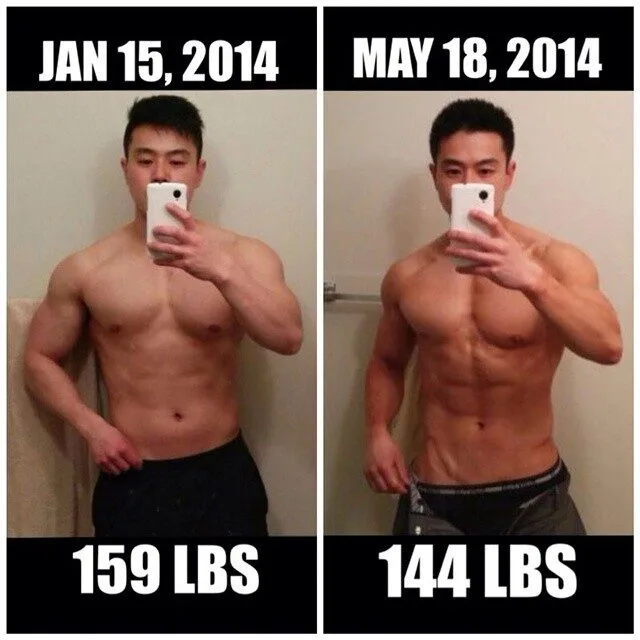
You can read many accounts where busy professionals and parents reclaimed fitness with short, daily bursts: a commuter regained stamina after 5‑minute HIIT, and a new parent lost 8 lb in 10 weeks combining brief strength circuits with daily walks; these stories highlight sustainable adherence and clear, positive progress.
Scientific findings
You should note that controlled trials and meta-analyses show consistent, measurable improvements in VO2max, strength and metabolic markers from frequent short sessions, but benefits scale with total weekly volume and intensity; there is a small injury risk if you ramp intensity too quickly.
You will benefit most when micro-sessions are structured (progressive overload, proper warm-up) because physiological mechanisms-improved stroke volume, mitochondrial density and insulin sensitivity-respond to repeated brief stimuli; when total weekly work is matched, short bouts often produce outcomes similar to longer workouts, provided you manage intensity and recovery to avoid overuse.
Popular Micro-Workout Apps
You’ll find apps that package short sessions into daily habits, with guided timers, progress tracking and easy scheduling. Apps shine when they help you build consistency and fit movement into busy days, but be aware of increased injury risk if you rush intensity without proper cues or warm-ups.
User-friendly interface
You want an app that starts workouts in two taps, shows clear timers and simple visuals, and offers voice prompts so you don’t stare at your screen. An intuitive layout reduces friction and boosts adherence, while cluttered menus or tiny buttons during sweaty sessions can undermine use and even lead to poor form.
Variety of exercises
You need apps that mix mobility, strength, cardio and recovery into bite-sized routines so your body adapts. A broad exercise library keeps you motivated and prevents plateaus; however, overly advanced options without proper modifications can cause setbacks or injury if you push too fast.
More detail: look for apps that offer progressive micro-programs, scalable intensities, and clear variations so you can match sessions to your energy and skill. Effective programs include mobility flows, short HIIT bursts, and strength circuits with alternatives for equipment. Prioritize apps with credible instruction and form cues-poor guidance is the main danger, while tailored progressions are the biggest positive for sustainable improvement.
Community Support
Your micro-workout habit benefits when you tap into community support: groups provide motivation, accountability, and shared practical tips that boost consistency. You should also be aware that communities can spread misinformation or unsafe routines that increase injury risk, so prioritize groups with active moderation and expert input. Use community energy to sustain short sessions while verifying technical advice with qualified sources to keep progress safe and steady.
Online forums
You can use online forums for detailed Q&A, archived threads, and varied personal experiences that help adapt micro-workouts to your schedule. Forums offer long-form troubleshooting and diverse perspectives, but they often contain unverified advice and outdated protocols. Cross-check recommendations with reputable sources and look for moderators or contributors who cite credentials before applying new techniques to your routine.
Social media groups
Social media groups deliver quick inspiration and visual examples that make micro-workouts feel achievable; they provide fast feedback and community encouragement. However, algorithms can amplify trends and dangerous viral challenges, and influencers may lack formal training. Follow certified professionals, treat short clips as prompts not prescriptions, and avoid copying high-intensity moves without proper progression.
When you engage more deeply with social media groups, set boundaries: mute sensational content, verify instructor credentials, and save reliable posts for future reference. Use the platforms for motivation, accountability, and quick tips, but guard against peer pressure to escalate intensity-risky challenges and poor form are common hazards. If you have pain or a health condition, consult a professional before adopting trending workouts.
Nutrition and Micro-Workouts
Micro-workouts require targeted nutrition to support frequent short sessions without overeating. If you schedule several short bouts, space small balanced snacks with carbs and protein and keep hydrated. Short sessions often make it easier to stay consistent – positive: improved adherence. Training fasted can cause danger: low blood sugar or dizziness, so choose a 15-60 minute light snack if intensity rises. For adaptation, prioritize protein and timely carbs – important: timing matters.
Fueling the body
Fuel short sessions with easily digestible carbs and moderate protein. A banana, yogurt, or small toast 15-45 minutes before gives quick energy; if you plan multiple sessions, add 15-25 g protein to support repair. Avoid excessive caffeine or large fatty meals before micro-workouts – danger: gastrointestinal upset. Use fluids and electrolytes for sweat-prone work – important: hydrate adequately – and enjoy the convenience of positive: portable snacks.
Recovery foods
After a micro-workout, prioritize protein with some carbs within 60 minutes to drive repair and glycogen replenishment; aim for about 20-30 g protein and a small portion of carbs. Rehydrate with water or an electrolyte beverage if you sweat. Skipping post-workout nutrition repeatedly can blunt gains – danger: impaired recovery. A balanced recovery snack supports muscle synthesis – positive: faster adaptation – and helps you prepare for the next session.
Good recovery choices include Greek yogurt with berries, chocolate milk, a turkey sandwich, or a 20-30 g protein shake with a piece of fruit; these combine positive: protein and carbs. Whole foods deliver micronutrients and satiety; avoid candy or soda post-workout – danger: added sugars that impair recovery. If you train frequently, spread protein across snacks and meals to maximize synthesis – important: consistent protein distribution.
Customizing Your Routine
You should match micro-workouts to your schedule and goals, mixing cardio, strength and mobility so sessions stack across the day; consistent short sessions can produce real fitness gains if you progress intensity and volume, while you must watch form and fatigue because poor technique or overdoing it raises injury risk.
Personal goals
You should define whether you want fat loss, strength, endurance or mobility and pick short sessions that support that aim; prioritize exercises that transfer to your daily life and track progress weekly, increasing difficulty when sessions feel too easy, and note the positive effect of frequent, focused bursts on habit formation and motivation.
Fitness levels
You must tailor intensity and complexity to your current level: you should use bodyweight moves and shorter intervals as a beginner, add resistance or rounds as an intermediate, and increase load or density as an advanced trainee; start low and progress gradually to build capacity while avoiding the common danger of jumping too fast and getting injured.
You should start with 5-7 minute circuits of squats, planks and marching in place; as you improve, add kettlebell swings or AMRAPs for 8-10 minutes, and advanced options include weighted complexes or high-intensity EMOMs-always schedule rest days and monitor pain, because overtraining and ignoring sharp pain are the most dangerous mistakes, while steady progression yields measurable gains.
Monitoring Progress
You should log each 5-10 minute session, noting type, duration, intensity and how you feel; use occasional baseline tests to gauge cumulative gains. Prioritize consistency and progression as the main drivers of improvement and watch for pain or persistent fatigue as dangerous signs that you need to adjust or rest.
Tracking improvements
Track objective numbers (reps, time, heart-rate recovery, pace) and subjective markers (RPE, sleep, energy). Use simple weekly averages or percent change to spot trends. Small, steady improvements show effectiveness; sudden declines or mounting soreness are red flags that warrant modification.
Setting benchmarks
Choose clear, repeatable tests aligned with your goals-1-minute push-ups/squats, plank hold, timed walk/run or stair climbs-and retest every 2-4 weeks. Clear benchmarks let you measure tiny gains and maintain motivation while keeping progression manageable.
When you set benchmarks, plan modest, measurable increases (for example 5-10% more reps or 10-15 seconds longer holds) and avoid rapid jumps that raise your injury risk. If you have health concerns, consult a professional before increasing load. Focus on trend lines rather than single sessions and celebrate small percentage gains as positive reinforcement.
Psychological Benefits
Short micro-workouts give you quick wins that build consistency, reduce stress, and sharpen focus. Because they lower barriers to activity, you get steady habit formation that improves motivation and energy across the day. Studies show brief activity can reduce cortisol and improve executive function, though if you have cardiovascular or mobility issues you should check with a clinician before starting.
Stress relief
Five- to ten-minute sessions let you interrupt anxiety and reset your arousal quickly; when you move, you trigger breathing and circulation changes that lower tension. Regular micro-breaks can reduce acute stress markers and give you a practical tool to manage workload spikes, though intense bursts without progression may increase injury risk if you ignore pain.
Improved mood
Short bursts of movement stimulate endorphins and neurotransmitters so you feel more alert and content; even brief sessions can lift your mood immediately and compound over time to reduce depressive symptoms. Micro-workouts give you a quick behavioral tool to shift mindset, with measurable mood boosts after just a few minutes.
When you repeat short workouts, your brain reinforces positive feedback loops: small wins increase self-efficacy and reduce rumination, improving long-term resilience. Combining movement with sunlight or social interaction amplifies effects. If you have clinical depression or are on medication, consult a professional, because while micro-workouts offer meaningful mood support, they are not a substitute for therapy or prescribed treatment.
Micro-Workouts for Busy Lifestyles
You can boost strength, stamina and mood by fitting multiple 5-10 minute sessions into your day; consistency beats long sporadic sessions, and these bursts are highly practical for tight schedules. Keep intensity manageable, prioritize form, and note that overtraining without rest or ignoring pain can be harmful.
Work breaks
Use your coffee or lunch break for a 5-10 minute circuit to restore energy and focus; simple bodyweight moves improve circulation and posture and can sharply boost productivity. Keep exercises safe-control tempo, breathe, and stop if you feel sharp pain, since ignoring pain risks injury. Short, frequent sessions are a practical way to maintain fitness during a busy workday.
Travel fitness
When you travel, squeeze short sessions between meetings or flights to counter long periods of sitting; bodyweight moves, band work and mobility drills fit in a hotel room and are extremely effective for maintenance. Keep sessions balanced-warm up and avoid overloading fatigued muscles, since poor form while rushed can cause setbacks.
Plan micro-workouts into your itinerary: set alarms, pack a lightweight resistance band, and choose compact moves-planks, lunges, and band rows-to preserve your strength. Dehydration worsens fatigue and raises injury risk, so stay hydrated. Keeping sessions short and regular lets you progress without derailing travel plans, making small efforts surprisingly effective at maintaining gains.
Safety Considerations
You can get benefits from short sessions, but you must prioritize safety: warm up, choose exercises that match your fitness and mobility, and plan gradual progression. If you have medical conditions or take medication, consult a professional before starting. Watch your environment-uneven surfaces, poor footwear or extreme heat raise risk. Stop immediately if you experience chest pain, faintness or sharp joint pain.
Avoiding injury
You should prioritize proper form over speed or reps: perform controlled movements, use modifications for joint issues, and avoid ballistic or jerky motions. Progress by adding small increments of intensity or duration. Use supportive shoes and a stable surface. If you feel a sharp pain or unusual swelling, stop and rest; persistent issues warrant assessment by a clinician.
Listening to body
You must tune into cues-breathing, fatigue, balance and discomfort-to guide each micro-workout. Distinguish between productive muscle burn and pain that signals harm. Scale intensity using perceived exertion; back off when you feel dizzy, light-headed, or breathless beyond normal effort. Schedule recovery and adjust session frequency if your performance or sleep declines.
Use simple tools: rate exertion on a 1-10 scale and monitor how quickly you recover between sets; aim for moderate effort most sessions. Expect delayed soreness for 24-72 hours, but seek medical attention for crushing chest pain, severe swelling, or persistent numbness. If in doubt, reduce intensity, substitute low-impact movements, and consult a qualified professional to tailor sessions to your needs.
Expert Opinions
Experts say micro-workouts can boost your daily activity and adherence by making exercise easier to fit into busy days, and you can gain strength and metabolic benefits when sessions reach adequate intensity; however, they note that short bouts may not replace sustained cardio for endurance and that poor technique and insufficient recovery increase injury risk if you rely solely on micro-sessions.
Trainer insights
Trainers emphasize that you can build meaningful fitness in 5-10 minutes if you apply progressive overload and prioritize compound movements, and they recommend you focus on quality over quantity so sessions remain intense; they warn you to scale back if your form suffers and to combine micro-workouts with deliberate rest to avoid accumulating fatigue.
Fitness professionals
Fitness professionals point out that micro-workouts help you stay consistent and increase total weekly volume, which is often the key driver of results, so you should track both intensity and frequency; they caution you that short bouts alone won’t fully replace longer sessions for certain endurance or skill adaptations, but they praise the approach for improving adherence and time-efficient gains.
For more practical guidance, professionals advise you to pair micro-workouts with at least one longer session per week, use measurable progression, prioritize movement quality, and monitor soreness and sleep; be aware that ignoring load progression or technique is dangerous and can lead to overuse injury, while combining strategies can deliver the most positive fitness outcomes.
Future of Micro-Workouts
You can expect micro-workouts to become mainstream as apps and workplaces integrate them; their main advantage is improved adherence from frequent, short sessions, and they can deliver measurable gains when accumulated weekly, but relying only on micro-sessions may limit maximal strength – a danger if you ignore progressive overload; overall, micro-workouts offer a positive path to make fitness habitual for busy schedules.
Emerging trends
You will see wearable-guided intervals, AI coaches, and short reactive workouts tailored to your calendar; studios will offer ‘time-slice’ classes and employers will embed movement breaks. The most important shift is personalization at scale, the positive outcome is easier consistency, and a danger is gamified intensity that can push unprepared users toward injury.
Ongoing research
Current studies are testing whether accumulated micro-sessions match longer workouts for endurance, strength, and metabolic health; early results show cardiovascular and metabolic benefits with sufficient volume, but evidence on maximal strength and hormonal adaptations is mixed, so track total weekly load – the most important metric – while noting the positive adherence effects and the danger of overestimating transfer to heavy-strength gains.
Longer-term randomized trials are needed to determine whether micro-workouts sustain strength, bone density, and metabolic health over years; limitations include small samples, short durations, and varied protocols, so apply findings cautiously. Researchers are adding sensors and dose-response models to refine session length and intensity: the most important aim is standardized metrics, the positive trend is richer device data, and a danger is premature generalization from short, heterogeneous studies.
Summary of Key Points
Short 5-10 minute micro-workouts can meaningfully boost your fitness by increasing daily activity, improving strength and cardio when done frequently, and making consistency easier; they supplement but don’t fully replace longer sessions. You must manage intensity and recovery, and be aware of the injury and cardiac risk if you push too hard without buildup or medical clearance.
Quick reference
Aim for multiple brief sessions (totaling 30-60 minutes weekly) mixing strength, cardio, and mobility; use moderate-to-high intensity, progressive overload, and short rests. If you have risk factors, get clearance and scale back intensity. Consistency and proper form are the biggest drivers of benefit; warm-up and avoid abrupt maximal efforts to reduce harm.
Recap benefits
Micro-workouts improve adherence, increase daily calorie burn, preserve muscle, enhance mobility, and can boost mood and focus-especially if you struggle to find long workout blocks. By fitting into routines, they make exercise more sustainable and approachable, delivering real health and fitness gains when performed regularly.
Mechanistically, brief intense bouts raise heart rate, improve insulin sensitivity, and produce small EPOC effects; for strength, frequent short sets accumulate volume. Progress by increasing frequency, reps, or intensity over weeks. If you experience chest pain, dizziness, or extreme breathlessness, stop and seek help; consult your physician before starting intense micro-workouts if you have cardiovascular or other medical conditions.
To wrap up
Following this, you can improve your fitness with 5-10 minute micro-workouts when you perform them consistently, emphasize intensity or targeted strength, and apply progressive overload. They raise daily activity, preserve muscle, boost metabolic rate, and build exercise habit, though longer sessions still serve larger endurance or performance goals.
FAQ
Q: Do 5-10 minute micro-workouts really improve fitness?
A: Yes-when they are frequent and sufficiently intense, micro-workouts can produce measurable gains. Short, focused sessions stimulate cardiovascular and muscular adaptations if they create an overload stimulus: brisk bodyweight intervals, short high-intensity efforts, or repeated strength-focused sets can increase aerobic capacity, improve muscular endurance, and help maintain strength. For beginners or people returning from a break, short sessions often yield fast improvements because neuromuscular coordination and basic conditioning adapt quickly. For measurable changes in body composition or peak performance, micro-workouts are most effective when accumulated throughout the day or combined with longer sessions on some days.
Q: How should I structure a 5-10 minute micro-workout to get results?
A: Choose a format that matches your goal and use progressive overload. Options: (1) Tabata-style: 20 seconds hard/10 seconds rest for 4-8 rounds using squats, burpees, or kettlebell swings; (2) EMOM (every minute on the minute): perform a set number of reps each minute for 5-10 minutes; (3) Short strength circuit: 3-4 compound moves for 30-45 seconds each with minimal rest; (4) Sprint intervals: 10-30 second all-out efforts with full recovery. Aim for daily or twice-daily micro-sessions totaling 15-30+ minutes of quality work per day, and progress by increasing intensity, reps, rounds, or adding load. Include a quick joint-mobilizing warm-up and pay attention to form to avoid injury.
Q: Who benefits most from micro-workouts and what are their limitations?
A: Micro-workouts suit busy people, beginners, those maintaining fitness, and anyone trying to break up sedentary behavior-they build consistency and are easy to fit into a schedule. They also help sustain metabolic health and improve endurance and muscular endurance when done repeatedly. Limitations: short sessions may not provide sufficient volume for maximal hypertrophy, long-distance endurance adaptations, or high-level sport-specific conditioning by themselves. Advanced lifters or endurance athletes will likely need longer, higher-volume sessions or added load to reach peak goals. If you have chronic health issues or joint concerns, adapt exercises or consult a professional before starting intense short sessions.