Many people searching for a Calgary personal trainer expect quick fixes, but you should focus on qualifications, programming and client safety; watch for red flags such as no assessment or push for unnecessary supplements, and avoid trainers who gloss over risk of injury. Ask about certifications, experience and client outcomes so you get safe, evidence-based programming and measurable results. Trust your judgment and prioritize clear plans, progress tracking and transparent pricing.
Key Takeaways:
- Verify credentials and specialization-check certifications, insurance, and client results to ensure the trainer matches your goals.
- Expect a personalized assessment, clear goal-setting, progressive programming, and measurable tracking for safe, effective progress.
- Avoid red flags: cookie‑cutter plans, high‑pressure sales or long‑term prepayment, poor communication, or neglect of safety and form.
What to expect at your first meeting
You’ll spend about 45-75 minutes on intake forms, a health screen (PAR-Q or medical clearance if needed), basic measurements like weight, body-fat estimate, resting heart rate and blood pressure, plus a quick tour of the space and equipment. Expect a brief discussion of your training history and schedule options, and if you report chest pain, dizziness or a recent injury they will stop and seek medical clearance.
Intake, movement and fitness assessment
The assessment usually runs 20-40 minutes and includes movement screens-squat, hinge, push-up, plank, single-leg balance-plus a 3-5RM strength estimate or a timed cardio test (e.g., 3‑minute step). Your trainer will score compensations, mobility limits and aerobic baseline, logging RPE and times; they’ll stop any test that causes sharp or new pain to protect your safety.
Goal setting and a sample plan or demo workout
Goals are set as SMART targets with KPIs like body-fat percentage, a 10% strength increase, or 150 minutes of moderate cardio per week; you’ll get a sample 4-12 week plan-typically 3 sessions/week-showing warm-up, 3 compound lifts (squat, press, hinge), 2 accessory movements and a short finisher so you can try the pace and cues immediately.
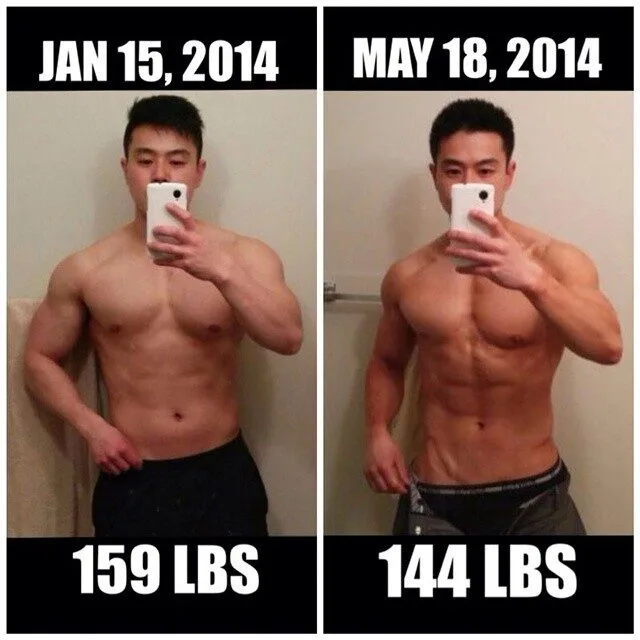
For example, a 12‑week strength plan might have you train 3×/week, increase squat load by ~2-5 kg every 1-2 weeks, and track protein and steps; one client improved 1RM from 100 kg to 120 kg while dropping 4% body fat by following progressive overload and nutrition guidance. Trainers review progress every 4 weeks, adjust volume, prescribe deloads, and use training logs or apps; keeping load increases under ~10% per week lowers injury risk and coaches will demo technique, give cueing, and set at-home mobility drills.
Credentials and qualifications to verify
Certifications, insurance and ongoing education
When vetting a trainer you should confirm industry-standard credentials like CSEP‑CPT, Canfitpro, NASM or ACSM and ask for certification ID and expiry dates. Verify current CPR/AED and ask to see liability insurance-many pros carry $1-2M coverage. Probe continuing education: reputable trainers complete roughly 10-40 hours of courses or workshops yearly and can name recent courses or instructors; that demonstrates current methods instead of stale programming.
Experience, specialties and client outcomes
Prioritize trainers with concrete experience: years in the field, population focus (postnatal, seniors, athletes) and sample outcomes. Request case studies-for example, a trainer with 5+ years who returned a 32‑year‑old hockey player to play after ACL rehab in 4 months, or one who runs structured 12‑week fat‑loss programs with measurable metrics. Watch for claims outside their scope; treating medical conditions without a healthcare plan is dangerous.
Dig deeper by asking for specific metrics and references: pre/post body‑fat percentage, 1RM or timed mile improvements, client consented photos, and direct references you can contact. Also confirm collaboration practices-if a client has diabetes or cardiovascular issues the trainer should provide written coordination with a physician or physiotherapist, which is a strong sign of responsible practice.
Training approach and safety
You’ll get a documented medical and movement screen (PAR‑Q+, meds, past surgeries) before programming. Trainers should monitor intensity with heart‑rate zones (50-85% HRmax) or RPE 1-10, require 24-48 hours between heavy sessions, and keep an emergency plan and AED access. Stop immediately for chest pain, severe dizziness, or sudden joint instability. Equipment checks and supervised lifts reduce acute injury risk dramatically.
Programming, progression and personalization
Your plan should use 4-6 week mesocycles within 8-12 week blocks: strength (3-5 sets of 3-6 reps), hypertrophy (3-4×8-12), endurance (2-3×12-20). Progress by adding 2-10% load or 1-2 reps per week; novices often follow linear progression adding 2.5-5 lb per session. Adjust for age, pregnancy, or joint issues and track outcomes every 2-4 weeks to refine load and exercise selection. Progressive overload must be balanced with recovery.
Technique coaching, warm-ups and injury prevention
You should receive hands‑on cueing, video feedback, and specific warm‑ups: 10-15 minutes of dynamic mobility plus activation drills (glute bridges, banded pull‑aparts). Trainers often use submaximal technique sets at 40-60% 1RM to groove movement and prescribe regressions for pain or poor mechanics. Implement movement screening (e.g., single‑leg squat) and prehab like rotator cuff and Nordic hamstring work to lower injury incidence. Do not ignore persistent pain.
For a heavy squat session your coach should program 2-4 ramping warm‑up sets (40%, 60%, 80% of working weight), perform a 5‑point technique check (stance, breath/bracing, hip hinge, knee tracking, depth) and include slow eccentrics (3-5 seconds) to build control. In practice, athletes who add Nordic curls twice weekly cut hamstring strain risk by about 50%; similar targeted prehab reduces shoulder and knee complaints when done 2-3×/week.
Logistics, pricing and policies
Expect clear billing and booking rules up front: many Calgary trainers sell 5/10/20-session packages, require a non-refundable deposit for block bookings, and issue receipts for insurance claims. Typical per-session rates range from about $60-$150 depending on experience and location; group sessions can drop to $25-$50 per person. Watch for no-show or late-cancellation fees written into the contract and check whether taxes, facility fees or travel charges are added.
Packages, session length and cancellation rules
Packages usually come in 30/45/60/90-minute options-60 minutes is standard for strength and conditioning. Bulk packages commonly lower the per-session cost by 10-25%. Cancellation policies commonly require 24-48 hours’ notice; expect a 50-100% charge for late cancellations or no-shows. Ask for prorated refunds or transfer rules if you pause training due to injury, travel, or illness.
Availability, location (gym/home/online) and equipment needs
Trainers typically offer gym-based, in-home, or online sessions; gym bookings may incur $10-$30 session fees and home visits often include a travel charge. Online coaching needs a webcam, stable Wi‑Fi and space; in-person sessions may require you to provide basics like a mat, dumbbells or bands. Confirm whether the trainer brings specialty gear (barbells, kettlebells, TRX) and whether seasonal outdoor workouts are part of the plan-outdoor winter sessions can raise injury risk if not managed properly.
Check availability against your schedule-many top trainers book early mornings and evenings, with limited weekend slots. Request a sample week of availability and ask if they offer make-up sessions within a 4-8 week window. Verify facility access (guest passes or liability waivers), confirm the exact equipment they will use (e.g., 8-24 kg kettlebell, 5-40 lb dumbbells, resistance band levels), and confirm they carry current liability insurance and CPR/first-aid certification before committing.
Questions to ask – and red flags to avoid
Essential questions to evaluate fit and expertise
Ask about their certifications (e.g., CSEP, NASM, CSCS, CanFitPro), how many years they’ve trained clients with your goal, and for a sample 4‑week program or session plan. Probe assessment methods-do they use body composition, movement screens, or strength benchmarks-and how they measure progress (weekly logs, monthly tests). Also request client references, session length and cost, and their policy for injury referrals and continuing education.
Warning signs: poor communication, one-size-fits-all plans, unsafe practices
Watch for vague answers, missed follow-ups, or resistance to written plans-those indicate poor communication. Beware trainers who hand everyone the same routine or insist on maximal loads without assessment; that’s a one-size-fits-all trap. Finally, avoid anyone who skips screening forms, tells you to push through sharp pain, or lacks CPR/first‑aid-those represent unsafe practices that can cause serious harm.
Dig deeper when you see these red flags: ask if they perform a PAR‑Q/medical history, a basic movement screen (squat, hinge, overhead), and baseline tests before loading you. Expect gradual progressions and modifications for past injuries; sudden jumps in weight or volume often lead to strains or overuse issues. If they dismiss pain or refuse to liaise with a physio/doctor, treat that as a firm no-your safety and long‑term results depend on qualified, communicative care.

Conclusion
On the whole you should vet certifications, ask for references and clear program plans, prioritize trainers who track measurable progress and adapt to your needs, and confirm transparent pricing and safety practices; avoid overpromising guarantees, cookie‑cutter programs, or poor communication so your time and investment produce reliable, sustainable results.
FAQ
Q: What should I expect during my first session with a Calgary personal trainer?
A: A thorough intake that includes a health and injury history, current activity level, and clear goal-setting. Expect baseline measurements (weight, body composition if offered, movement screens, and strength/mobility tests) and a short practical session to assess technique and endurance. The trainer should create a provisional plan with frequency, session length, progression metrics, and homework (exercise or lifestyle tasks). You should also receive information on pricing, cancellation policies, and liability waivers; ask to see certifications and current CPR/first aid and insurance documentation if not volunteered.
Q: How do I find a reputable trainer in Calgary and what qualifications should I check?
A: Look for recognized certifications such as CSEP, CanFitPro, NASM, ACE, CSCS, or a degree in kinesiology/exercise science, plus current CPR/first aid and liability insurance. Check online reviews, ask for client references or case examples, and verify specialization relevant to your needs (rehab, weight loss, sport performance). Confirm scope of practice-trainers can provide general nutrition guidance but should refer to a registered dietitian for medical nutrition therapy. Request a trial session or assessment, confirm the trainer’s communication style and availability, and verify where sessions will take place (gym, studio, in-home, online) to ensure it fits your schedule and comfort.
Q: What are warning signs or practices to avoid when hiring a Calgary personal trainer?
A: Red flags include guaranteed rapid weight-loss claims, one-size-fits-all programs with no assessment, pressure to buy large packages upfront, lack of documented plan or progress tracking, no CPR/insurance, and aggressive supplement or product sales. Avoid trainers who dismiss medical concerns, refuse to adapt exercises for pain or injury, or claim to provide medical or dietary prescriptions without proper credentials. If you encounter these issues, request clarification in writing, seek a different trainer, or report serious safety or fraud concerns to the facility or applicable professional body.