There’s clear evidence that elevated cortisol from chronic stress harms sleep, immunity and cardiovascular health, but you can counteract this with regular strength training; resistance work triggers adaptive hormonal responses that reduce cortisol, boost anabolic hormones, improve mood and increase your resilience to future stressors, making strength training a powerful, evidence-based strategy to protect your brain and body.
Key Takeaways:
- Strength training helps regulate cortisol: brief exercise-induced spikes are typically followed by lower resting cortisol and improved HPA-axis resilience, reducing chronic stress over time.
- Psychological and sleep benefits amplify the effect: resistance workouts increase endorphins, reduce anxiety and perceived stress, and often improve sleep-factors that support healthier cortisol patterns.
- Do it smart: aim for 2-4 sessions/week with progressive overload, prioritize adequate recovery and nutrition to gain stress-reduction benefits without provoking chronic cortisol elevation from overtraining.
Understanding Stress and Its Effects
When you experience stress your body repeatedly activates the sympathetic nervous system and HPA axis, producing adrenaline and cortisol; typical acute responses include a heart rate rise of 10-30 bpm and transient blood pressure increases. Over weeks, these repeated surges raise your risk of metabolic syndrome and cardiovascular disease, with sustained stress linked to higher abdominal fat and impaired immunity.
The Physiology of Stress
Stress triggers two fast pathways: the sympathetic-adrenal-medullary system releases catecholamines within seconds, and the HPA axis ramps cortisol over minutes; the cortisol awakening response typically increases cortisol by 30-50% within 30-45 minutes. If you remain in a high-alert state, sympathetic overdrive elevates blood pressure and degrades sleep architecture, which compounds recovery deficits.
The Role of Cortisol
Cortisol mobilizes glucose and suppresses nonnecessary functions during threat, with normal morning serum levels roughly 5-20 µg/dL; during acute stress your cortisol can rise several-fold. You gain short-term benefits like increased energy and focus, but chronically elevated cortisol downregulates immune responses, promotes insulin resistance, and drives visceral fat accumulation.
At the tissue level, cortisol binds glucocorticoid receptors in the hippocampus, liver and adipose tissue, increasing gluconeogenesis and breaking down muscle protein; this can reduce muscle mass and elevate fasting glucose when sustained. Clinical cohorts associate HPA dysregulation with poorer memory and mood, so you should prioritize interventions that normalize cortisol rhythms to protect metabolic and cognitive health.
The Benefits of Strength Training
In practice, 2-3 sessions weekly of progressive resistance training focused on compound lifts (squat, deadlift, press) produces both physiological and psychological gains within 8-12 weeks. You’ll build lean mass, improve sleep quality, and blunt stress reactivity; novices often gain ~1-2 kg of muscle and notice better energy and mood. Programs that combine progressive overload and adequate recovery deliver the largest drops in resting cortisol and day-to-day perceived stress.
Physical Benefits
Strength work increases muscle mass, elevates resting metabolic rate, and helps preserve or raise bone mineral density (often 1-3% per year in targeted studies), improving mobility and reducing fall risk. You’ll also see better glucose regulation and functional strength for daily tasks. Use technical emphasis on form because improper technique greatly raises injury risk; prioritize progressive overload, compound movements, and recovery to get the physical wins.
Mental Health Benefits
Resistance training delivers measurable reductions in anxiety and depressive symptoms-meta-analyses show a moderate effect size-while boosting self-efficacy and sleep quality. You’ll experience improved cognitive focus via increases in BDNF and a more resilient stress-response, with many interventions reporting lower baseline cortisol and blunted reactivity to acute stressors; these psychophysiological shifts translate into steadier mood and better coping under pressure.
For practical application, studies using 8-16 week, twice-weekly programs report the biggest mood improvements, especially when sessions include progressive, challenging sets (6-12 reps) and compound lifts; start conservatively and increase load gradually. Behavioral mechanisms matter too: gains in perceived competence and routine help sustain the benefit, while overtraining or chronic high volume can raise cortisol and worsen mood, so monitor sleep, appetite, and recovery markers as you progress.
The Cortisol Connection
Strength training triggers an acute cortisol surge that supports energy mobilization, but chronic patterns determine whether cortisol helps or harms you. Acute spikes of 50-200% after intense resistance sessions fuel performance, while consistent training 2-4 times weekly has been linked to ~10-15% reductions in resting cortisol over 8-12 weeks in controlled studies. Pay attention to volume, recovery, and sleep to shift cortisol from a stressor into an adaptive signal.
How Strength Training Affects Cortisol Levels
Intensity, volume, and rest intervals shape your cortisol response: heavy compound lifts and short rests (<60s) typically produce larger spikes, whereas moderate loads with longer rests blunt them. For example, 3-5 sets of 6-12 reps with 60-90s rest balances anabolic hormones and cortisol. If you chronically push maximal loads without adequate recovery, overtraining can produce persistently elevated cortisol and reduced immunity; periodize loads and include deload weeks to prevent that.
The Timing of Workouts and Cortisol Response
Cortisol follows a circadian rhythm, peaking roughly 30-45 minutes after waking (often around 7-9 AM) and declining through the day, so morning sessions compound that peak while afternoon workouts coincide with lower baseline cortisol and higher body temperature. Choose morning training for alertness or short high-intensity bursts, but be aware that very late high-intensity sessions can raise cortisol into the night and disrupt sleep. Tailor timing to your stress baseline and goals.
If you wake at 7 AM, your cortisol likely peaks near 7:30-8:00; a 20-30 minute moderate session then can enhance focus without excessive hormonal strain. Research shows high-intensity work can keep cortisol elevated for 60-120 minutes post-exercise, so avoid maximal lifts within 90 minutes of bedtime if you struggle with sleep. For strength gains and better cortisol regulation, mid-afternoon training (3-6 PM) often yields higher power output and faster recovery.
Designing an Effective Strength Training Program
Frequency and Intensity
You should train strength 2-4 times per week, tailoring sessions to stress levels and recovery. Aim for 60-85% of 1RM for most work-use 6-12 reps for hypertrophy and 3-6 reps for maximal strength, with 2-5 sets per exercise. Keep rest 1-3 minutes between heavy sets; very high intensity (>85% 1RM) can spike acute cortisol and increase fatigue, so schedule it sparingly.
- Frequency: 2-4 sessions/week
- Intensity: 60-85% of 1RM typical
- Volume: 2-5 sets per exercise
- Perceiving Recovery: 48-72 hours for full muscle group recovery
| Variable | Practical guidance for you |
| Frequency | 2-4 sessions/week; split by muscle group or full-body |
| Intensity | 60-85% 1RM for most sets; reserve >85% for low-volume work |
| Sets & Reps | 6-12 reps for hypertrophy, 3-6 for strength; 2-5 sets |
| Rest & Recovery | 1-3 min rest; 48-72 hrs per muscle group between intense sessions |
Types of Exercises
You should prioritize multi-joint compound lifts-squat, deadlift, bench, and row-for systemic hormonal benefits and efficiency, allocating ~60-75% of session work to them. Add unilateral moves (lunges, single-arm rows) for balance and joint health, plus 1-3 isolation exercises for weak links. Typical session: 3-6 exercises, e.g., 3 compounds + 1-3 accessories, which reduces time under stress while boosting strength.
You can structure choices by goal: for stress reduction, use moderate loads (6-10 reps) on compounds, include controlled tempo and core stability; for strength blocks, use heavier sets (3-6 reps) twice monthly. Examples: squat/press/row circuits, Romanian deadlifts for posterior chain, and planks for autonomic regulation-these choices lower perceived exertion and support recovery.
- Compound: squat, deadlift, bench, row
- Unilateral: lunges, single-arm row, split squat
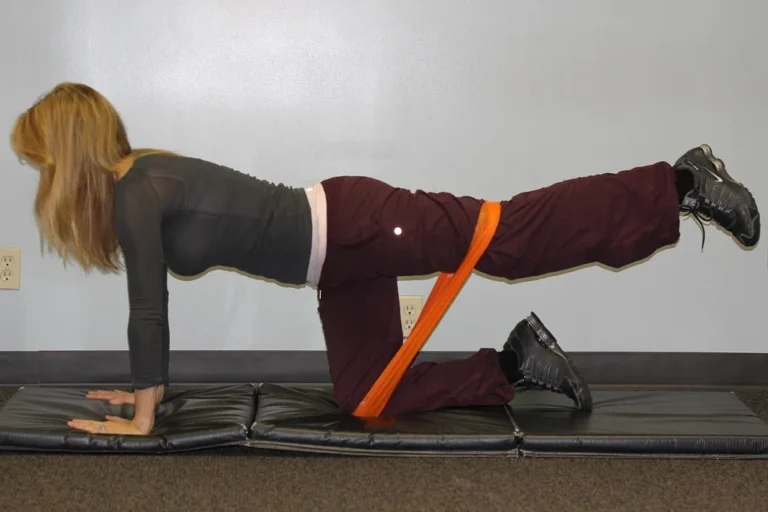
- Accessory: face pulls, banded glute work
- Perceiving Tempo & Control: slow eccentrics to manage stress response
| Exercise type | How you apply it |
| Compound lifts | 3-4 lifts/session; main drivers of strength and hormonal response |
| Unilateral moves | 2-3 sets each side to correct asymmetries and reduce injury risk |
| Accessory/isolation | 1-3 exercises for weak points, 8-15 reps |
| Core & stability | 2-3 short exercises for breathing control and posture |
Integrating Strength Training into Daily Routine
Block out consistent windows and prioritize 2-3 sessions per week, 20-45 minutes focused on compound movements (squats, deadlifts, presses) or circuits to maximize hormonal and time efficiency. You can combine strength with mobility on alternate days, use supersets to cut session time in half, and log progression with simple metrics (sets × reps × load). Doing so helps shift your baseline stress response, supports sleep quality, and makes strength training a sustainable habit rather than an occasional sprint.
Finding Time for Workouts
Use short, high-impact formats: a 15-20 minute full-body circuit (3 rounds of 6-8 exercises) delivers strength stimulus and stress relief when you’re squeezed for time. Schedule sessions like meetings, try early-morning or lunch workouts, or split into two 10-12 minute micro-sessions; research-backed guidelines from ACSM still support gains with 2-3 resistance days/week when consistency is maintained.
Overcoming Barriers to Exercise
If time, fatigue, or equipment limit you, implement practical fixes: buy a set of resistance bands or adjustable dumbbells, use bodyweight progressions, set an accountability partner, and pre-plan 2-week simple programs with progressive overload rules (add weight or reps gradually). Address fear of injury by starting lighter-about 50-60% perceived effort-and focusing on form before load.
For more depth, build implementation intentions (“If X, then Y”)-for example, “If I can’t make the gym, then I’ll do a 15-minute band circuit at home.” Try a sample 15-minute routine: 3 rounds of 10 goblet squats, 8 push-ups, 12 band rows, 30s plank. Track recovery: overtraining can elevate cortisol chronically, so include rest days and stop if you experience sharp pain; consult a professional if you have medical concerns.
Other Stress Reduction Strategies
Beyond lifting, optimize sleep (aim for 7-9 hours), prioritize protein and omega-3s for hormone balance, and manage stimulants-keep caffeine under 400 mg/day and avoid late-afternoon doses if sleep suffers. Strengthen social ties: a major meta-analysis linked strong social relationships to about a 50% higher survival rate, showing the physiological power of connection. Also consider sauna or cold exposure protocols as adjuncts, but time them around workouts to avoid interfering with recovery.
Complementary Practices
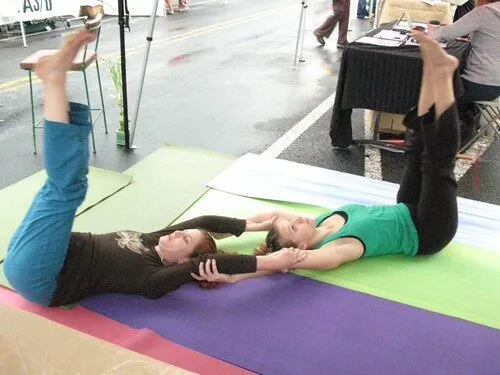
Integrate yoga 2-3 times weekly and regular massage (30-60 minutes) to lower stress reactivity; several trials show multi-week yoga programs reduce both perceived stress and cortisol. Try acupuncture for chronic tension and 12-week mobility routines to improve recovery windows between lifts. Use specific examples: a 12-week hatha-yoga protocol often yields measurable cortisol reductions, so schedule these sessions on lighter training days to amplify restorative effects.
Mindfulness and Relaxation Techniques
Apply an 8-week MBSR-style program or daily 10-20 minute practices to cut stress reactivity-randomized trials report reductions in perceived stress and blunted cortisol responses. Practice paced breathing at ~6 breaths/min to boost HRV, and use progressive muscle relaxation post-workout to speed parasympathetic rebound. For consistency, set a daily cue (morning or post-training) so you maintain the physiological gains alongside your strength work.
For practical setup, use a timer and apps (Headspace, Calm) or simple protocols: box breathing (4-4-4-4) or diaphragmatic breaths for 5-10 minutes, and a 10-minute guided body-scan to lower arousal. Biofeedback or HRV-guided breathing can quantify progress; aim for resonance breathing sessions that increase your HRV peak. If you have severe anxiety, PTSD, or active suicidal thoughts, seek professional care-do not rely solely on self-guided techniques.
Summing up
As a reminder, consistent strength training lowers baseline cortisol, improves your stress resilience, and enhances sleep and mood by promoting hormonal balance and metabolic health; by following progressive overload, adequate recovery, and proper nutrition you can use resistance exercise as a practical, evidence-based tool to reduce chronic stress and regain control of your physiological and psychological responses.
FAQ
Q: How does strength training affect cortisol and why does it reduce stress?
A: Strength training causes a short-term rise in cortisol during and immediately after a session to mobilize energy and support tissue repair. With regular training the body adapts: the HPA axis becomes more efficient, baseline cortisol levels tend to drop, and stress reactivity is blunted. Strength training also boosts anabolic hormones, improves sleep, increases metabolic resilience, and enhances mood via endorphins and improved self-efficacy – all of which lower perceived stress over time.
Q: What training variables maximize stress-reducing effects without increasing cortisol long-term?
A: Aim for 2-4 resistance sessions per week of 30-60 minutes using compound lifts and progressive overload while avoiding excessive volume or daily high-intensity sessions. Moderate-to-high intensity (65-85% of 1RM) with 1-3 minutes rest between sets balances stimulus and recovery. Prioritize sleep, nutrition (adequate protein and calories), hydration, and scheduled deload weeks. Include a proper warm-up and cooldown, and pair strength work with light aerobic activity or mobility to support recovery.
Q: How soon will stress-related benefits appear and how do I know if training is helping or causing too much cortisol?
A: Acute mood and anxiety improvements often occur after individual sessions. Consistent reductions in baseline stress and physiological markers typically appear over 6-12 weeks. Monitor subjective signs (better sleep, lower perceived stress, improved mood, increased energy) and objective signs (stable or improved performance, resting heart rate, HRV if tracked). Watch for overtraining indicators – persistent fatigue, disrupted sleep, elevated resting heart rate, irritability, stalled strength gains – and reduce load, increase rest, or consult a clinician if they appear.