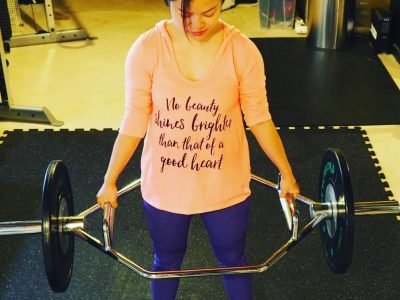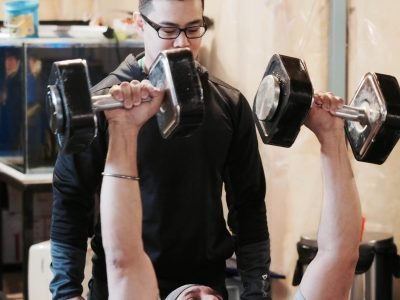
You should prioritize a coach with verified certifications, sport-specific experience and clear client results; check reviews, ask about programming and how they assess your movement to reduce injury risk. Choose someone whose communication style fits your motivation and who offers a trial so you can confirm compatibility. Seek coaches who provide a tailored program and measurable progress, and avoid those who promise quick fixes or ignore your medical history.

Key Takeaways:
- Clarify your goals (weight loss, strength, rehab, sport-specific) and seek a Calgary coach whose specialization and client history align with those objectives.
- Verify qualifications, certifications (CSEP, CanFitPro, NASM or equivalent), CPR/first-aid, insurance, and client references or proven results.
- Prioritize fit by booking a trial session to evaluate coaching style, communication, program structure, progress tracking, availability, location, and pricing.
How personal training works in Calgary
You usually begin with a 45-60 minute initial assessment that measures movement, strength and goals; regular sessions run 30-60 minutes. Trainers in Calgary offer packages (commonly 8, 12 or 24 sessions) and charge roughly $60-$120 per hour depending on experience and location. Programs combine strength, mobility, conditioning and periodic testing every 4-8 weeks to track progress, with coaches adjusting plans as you improve.
How-to assess trainer types, certifications and specialties
Check credentials like CPT (NASM/ACE), CSCS, CSEP or CanFitPro, confirm liability insurance and First Aid, and review specialty experience in rehab, sport-specific training or weight-loss. Ask for client results or case examples (e.g., ACL rehab timelines, post-partum strength programs). Knowing which certifications and specialties align with your goal prevents mismatched coaching and reduces injury risk.
| General Fitness Coach | Broad programming for weight loss and conditioning; group and 1:1 options. |
| Strength & Conditioning | Performance-focused: periodization, barbell programming, athlete prep. |
| Rehab/Clinical | Works with physio-guided plans, injury modification and graded loading. |
| Nutrition/Weight-loss | Integrated meal plans, body-composition tracking and behaviour coaching. |
| Online/Remote Coach | Program delivery via apps, video check-ins and progress analytics. |
- Certifications: verify issuing body and scope.
- Specialties: match to your injury history or sport.
- Insurance: ensures professional standards and safety.
- References: ask for client outcomes and timelines.
- Continuing education: shows up-to-date methods.
Tips on training formats: in-gym, in-home, outdoor and online
In-gym sessions give full equipment access and spotter support; in-home saves travel time and fits busy days; outdoor training uses parks and hills but varies with Calgary’s seasons; online coaching maximizes flexibility and often lowers costs. Evaluate cost, equipment needs and accountability level when choosing. The right format balances your schedule, climate tolerance and desire for hands-on correction.
- In-gym: best equipment variety and safe heavy lifts.
- In-home: convenient, needs basic gear like dumbbells or bands.
- Outdoor: great for conditioning, subject to weather.
- Online: flexible, requires discipline and tech setup.
Gyms typically offer barbells, machines and recovery tools, while in-home sessions often use a small kit (set of dumbbells, kettlebell, mat) and deliver similar results with scaled progressions; outdoor bootcamps in Calgary commonly run 6-8 week cycles from spring to fall, and online coaches pair video form checks with weekly programming. Assess how much hands-on correction you need and whether seasonal weather will interrupt consistency. The best choice supports consistent adherence and measurable progress.
- Equipment: influences exercise selection and intensity.
- Seasonality: affects outdoor consistency in Calgary.
- Accountability: in-person offers more hands-on correction.
- Cost: online tends to be less expensive per month.
- Progress tracking: choose formats that use measurable tests.
How to define your fitness goals
Quantify outcomes: set targets like lose 0.5-1 kg/week or add 5-10 kg to your squat in 12 weeks, pick measurable metrics (body fat%, 1RM, pain score) and run baseline tests (3RM, 3-minute step). Schedule reassessments every 4 weeks and note medical or mobility limits for rehab clients; highlight red flags such as worsening pain or abnormal swelling. Thou should write numeric targets that fit your schedule and any clinical guidance.
- personal training
- fitness goals
- baseline tests
How-to set SMART goals for weight loss, strength or rehab
Translate goals into Specific targets (e.g., lose 8 kg in 16 weeks), make them Measurable with weekly check-ins, ensure they’re Achievable (0.5-1 kg/week for healthy weight loss), Relevant to your life and medical needs, and set clear deadlines; for rehab tie goals to protocol milestones like ROM degrees or pain scores. Thou should document SMART goals before starting your program and share them with your coach.
- SMART goals
- weight loss
- strength
- rehab
Tips for prioritizing short- vs long-term objectives
Balance quick wins-improving your sleep, hitting consistent 3 workouts/week, or a 4-12 week fat-loss block-with long-term aims like sustaining 5-10% body fat reduction over 6-12 months or increasing strength 20% in a year; put safety and rehab milestones first, then build volume and progressive overload. Thou must sequence phases so short-term efforts compound into long-term adaptation.
- short-term goals
- long-term goals
- prioritization
If you’re rehabbing an ACL, front-load 0-12 weeks on neuromuscular control and keep pain 0-2/10, progress 12-24 weeks to strength (squats, RDLs) and retest hop and single-leg ROM at 16 weeks; for fat loss, aim for 0.5-1% body weight/week, use 4-week blocks with a deload, and track weekly weight plus monthly circumference or DEXA. Thou should map these phases on a 12‑month calendar and review every 3 months.
- periodization
- rehab timeline
- short vs long term
How to find potential coaches
How-to search: gyms, directories, social media and referrals
You should cast a wide net: visit local gyms and boutique studios, scan Calgary-focused directories and Google Maps, follow hashtags like #YYCtrainer on Instagram, and ask colleagues for referrals; many gyms offer 30-minute trial sessions so you can assess fit. Check class schedules at community centres and watch short training clips to gauge coaching style. Aim to shortlist 3-5 coaches before booking a consult.
- gyms – visit in person to assess equipment and coaching culture
- online directories – use Google Reviews and Yelp for local ratings
- social media – review videos and client results for coaching style
- referrals – ask friends or healthcare providers for recommendations
- Any time you reach out, request a brief intro call or trial to confirm compatibility
Tips for vetting profiles, reviews and professional credentials
You should verify visible credentials like NASM, CSEP or CSCS, current CPR/AED certification and proof of insurance; scan client reviews for consistent themes, ask for recent client references, and watch session videos to confirm coaching cues and safety. Prioritize coaches who can show measurable outcomes and specific experience with your goal, such as weight loss or post-injury rehab.
Dig deeper by requesting a sample program or a 1-2 week plan to evaluate methodology; many qualified coaches will outline periodization, testing benchmarks (e.g., 1RM or timed runs), and progress metrics-clients often report 10-20% strength gains in 8-12 weeks with structured programs. Flag any coach who avoids concrete metrics, refuses references, or has inconsistent reviews across platforms as a potential red flag.
- certifications – confirm issuing body and recency
- reviews – look for patterns over isolated comments
- insurance – ensure liability coverage for in-person sessions
- specialty – verify experience with your specific goal (e.g., running, rehab)
- Any serious concern should prompt you to request references or choose another coach
Factors to compare when choosing a trainer
When comparing trainers in Calgary, you should evaluate measurable criteria that affect outcomes and safety: verify recognized certifications, confirm current liability insurance, and review client progress metrics-many solid programs deliver 3-8% body-fat reduction or 10-25% strength gains in 12 weeks. Inspect specialties and ask for 2-3 client references, check session formats (in-person vs online), and compare pricing and commute times. Thou must balance evidence, rapport and logistics to pick the best fit.
- Certifications
- Experience
- Specialties
- Insurance
- Coaching style
- Schedule
- Location
- Cost
Comparison table
| Factor | What to check |
| Certifications | Valid CSEP/ACSM/NASM, CEP/degree, and recent CEUs |
| Experience | Years, client hours (500+ practical hours preferred), case studies |
| Specialties | Sports, rehab, weight loss, prenatal-match to your goal |
| Insurance | Active $1M+ liability policy and CPR/AED certification |
| Coaching style | Hands-on coaching vs program design and remote check-ins |
| Schedule & Location | Session length (30/45/60 min), availability, gym/commute time |
| Cost | Per-session rates, packages, refund/cancellation policies |
Key factors: certifications, experience, specialties and insurance
You should prioritize verified certifications (CSEP, ACSM, NASM or relevant clinical credentials), current CPR/AED status, and documented experience-aim for trainers with 1-5+ years and 500+ client hours for dependable programs. Check for published client outcomes or sample programs when assessing specialties like post‑injury rehab or sport performance, and insist on proof of liability insurance. Perceiving how their training and outcomes align with your goals will guide your decision to hire or continue.
- Certifications
- Experience
- Specialties
- Insurance
Practical factors: coaching style, schedule, location and cost
You should match your routine to a trainer’s coaching style-whether hands-on correction, programmed workouts, or hybrid coaching with app check-ins-and confirm session lengths (common: 30/45/60 minutes) and weekly frequency; many clients see better results at 2-4 sessions/week. Expect Calgary rates roughly between CAD $50-$120 per session, with discounts for packages; prioritize trainers whose availability fits your workweek and whose gym is within a 10-20 minute commute. Assume that a clear schedule and transparent pricing prevent drop-off and missed sessions.
- Coaching style
- Schedule
- Location
- Cost
When you dig deeper, compare concrete examples: a client training 3×/week with 45‑minute sessions and remote check‑ins often improves adherence by 30% versus once‑weekly in‑person only; trainers offering flexible slots, program apps, and quick gym access reduce missed sessions. Request a sample week, ask about make-up policies, and get a written package rate-those specifics show operational competence. Assume that small logistical mismatches are the most common reason clients stop progressing, so prioritize fit over hype.
- Session length
- Frequency
- Remote options
- Package terms

How to interview and trial a coach
When you interview and trial a coach, probe for specific results and how they achieved them-ask for client case studies, measurable progress (body-fat change, strength gains, compliance rates), and how they handle setbacks. Pay attention to how they correct form and scale workouts to avoid injury risk, and note if they track metrics like load, reps, or weekly adherence. Any unclear answers or evasive behavior are reasons to keep searching.
How-to prepare questions, red flags and expectations
Prepare a short list of targeted questions: certification pathway, years coaching, experience with your goal, typical program length, and how they monitor recovery or pain. Ask for references and examples of 8-12 week progressions so you see program structure and outcomes. Any red flag-dismissive answers about pain, no tracking, or push for unnecessary supplements-should end the trial.
- Certifications and continuing education
- Experience with your specific goal (weight loss, hypertrophy, rehab)
- Programming examples and progression strategy
- Safety protocols and injury prevention
- Communication style and availability
Tips for evaluating a trial session and tracking progress
During a trial, watch if the coach gives clear cues, demonstrates scalable options, and documents baseline metrics like movement screens, RPE, and a 1-2RM estimate; those show a data-driven approach and lower injury risk. Note how they adjust intensity and rest based on your feedback and signs of fatigue. Any lack of measurement or one-size-fits-all drills is a warning sign.
- Baseline assessment: movement screen, mobility, simple strength tests
- Coaching cues and technique corrections observed
- Scalability of exercises for progress and regressions
- Tracking methods: apps, logs, or spreadsheets
- Recovery guidance and load management
For deeper evaluation, run the coach for a 2-4 session trial and track specific metrics: set a baseline (e.g., plank hold, squat depth, 5-10% load increase on compound lifts) and expect measurable change in technique or capacity within 2-4 weeks; studies and client logs often show first strength or endurance gains in that window. Watch for consistent feedback loops-video review, weekly adjustments, and documented progressions indicate competence. Any failure to produce a short-term plan with measurable checkpoints should signal caution.
- Trial length: 2-4 sessions to assess coaching fit
- Short-term metrics: strength, endurance, movement quality improvements
- Documentation: session notes, progress logs, video feedback
- Adjustment cadence: weekly or biweekly programming tweaks
- Outcome focus: clear checkpoints and timelines
Contracts, pricing and safety considerations
How-to understand pricing models, packages and cancellation terms
You should compare hourly rates, package discounts and cancellation fees before signing: Calgary sessions commonly range from $60-$120 per hour, packages often offer 10-20% off for 8-12 sessions, and cancellation policies usually require 24-48 hours’ notice or charge 25-100% of the session fee. Check for deposits, automatic renewals, tax inclusion, and how make-up sessions or transfers are handled in the written contract.
Factors for safety: health screening, liability and emergency plans
You want a trainer who completes a formal health screening (PAR‑Q or medical clearance for cardiac risk) and updates it annually, holds CPR/AED certification and carries liability insurance-policies of $1M are common. Confirm they record medications and allergies and maintain a written emergency plan for on-site and off-site sessions. Perceiving their certifications and insurance up front protects you and reduces on-session risk.
- Health screening
- Liability insurance
- Emergency plan
- CPR/AED
Ask to see the trainer’s insurance certificate with policy limits and expiry, verify CPR/AED renewal dates (often every two years), and request a written emergency plan for remote parks or winter outdoor sessions where response times can be longer. Also confirm how they document pre-existing conditions and medication protocols in client files. Perceiving these verifications gives you practical evidence of their readiness.
- Insurance certificate
- CPR/AED renewal
- Emergency plan
- Medical documentation
Summing up
On the whole, you should evaluate coaches in Calgary by checking certifications, client results, and coaching style to ensure alignment with your goals; assess location, schedule flexibility, and budget, request trial sessions, and verify insurance and ongoing education; trust your instincts when communication and motivation match your needs so you commit to a program that reliably advances your fitness.
FAQ
Q: How do I evaluate a trainer’s qualifications and experience in Calgary?
A: Verify certifications (CSEP, CanFitPro, NASM, ACE, NSCA or equivalent), current CPR/first aid, and liability insurance. Ask how long they’ve worked with clients who have goals like yours (weight loss, muscle gain, rehabilitation, sport-specific training) and request references or client testimonials. Review sample programs and ask about continuing education and conflict-of-interest affiliations (e.g., supplement sales). Check online profiles and local community forums for reviews; visit the gym or training space to observe coaching style and client interactions in person.
Q: What practical factors should I consider when matching training style, schedule, and location to my goals?
A: Decide whether you need one-on-one coaching, small-group sessions, or online/hybrid training, and confirm the trainer’s expertise in that format. Match session frequency and duration to your goal timeline and ask how they structure progression and recovery. Consider commute time and Calgary weather if training outdoors, and ensure the facility or trainer has the equipment you require. Compare pricing models (per session, packages, monthly plans) and cancellation policies. Ask for a trial or assessment session to confirm rapport, coaching cues, and that their communication style motivates you and supports consistency.
Q: What should I ask during a consultation and what red flags should I watch for?
A: Ask about their initial assessment process, how they set and measure goals, sample programming, nutrition support scope, injury screening and modification strategies, and how progress is tracked (metrics and frequency). Clarify session logistics, pricing, package terms, and refund/cancellation policies. Red flags include guaranteed rapid results, a one-size-fits-all program without assessment, pressure to buy large packages immediately, inability or refusal to show credentials or insurance, neglecting injury history, poor hygiene or unsafe equipment, and dismissive communication. A good coach provides clear plans, measurable milestones, and adapts programs based on your feedback and progress.