Most of your progress accelerates when you hire a certified fitness trainer in Calgary, because tailored programming targets weaknesses, optimizes workouts, and helps you get results faster while minimizing injury risk. A professional coach guides your form, adjusts intensity, and keeps you accountable so you avoid plateaus and adopt sustainable habits that protect long-term health and performance.
Key Takeaways:
- Individualized programming and progressive overload target weaknesses and align training with goals, speeding measurable progress.
- Expert coaching ensures proper technique and smart progression, reducing injury risk and making workouts more effective.
- Accountability, motivation, and regular tracking boost consistency and allow timely adjustments, shortening the path to results.
Why professional coaching accelerates results
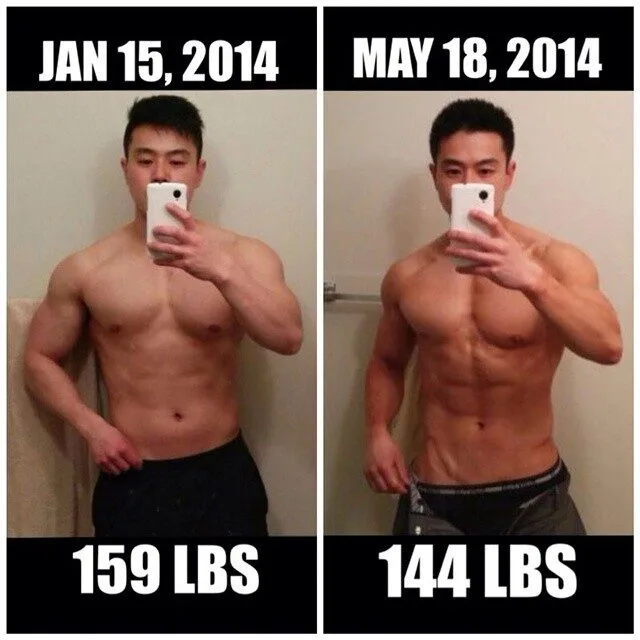
When you work with a pro, progress becomes measurable and predictable: structured periodization, targeted nutrition, and weekly benchmarks help you hit milestones faster. For example, clients following coach-led plans often see 10-15% strength gains and 5-10% body-fat reductions within 8-12 weeks, versus slower, inconsistent DIY efforts. Coaches also cut wasted sessions and plateaus by adjusting volume, intensity, and recovery based on your response, so every workout drives meaningful adaptation.
Evidence-based program design
Your coach uses proven principles-progressive overload, periodization, and specific rep ranges (4-6 for strength, 8-12 for hypertrophy, 12-20 for endurance)-and matches frequency to goals, typically 3 strength sessions plus 2 cardio sessions per week. Nutrition guidance aligns with targets (1.6-2.2 g/kg protein, calorie deficits of 300-500 kcal/day for steady fat loss). That scientific structure prevents guesswork and accelerates consistent adaptations.
Individual assessment and personalization
Initial testing-movement screens (e.g., FMS), body-composition measures (calipers or DEXA), 1RM or submax tests, and injury history-lets your coach build a plan that fits your current capacity and goals. Those baseline numbers identify weak links and set realistic short-term targets, so you progress efficiently without overshooting and creating setbacks.
In practice, personalization means your coach might swap heavy back squats for Romanian deadlifts if a 10-degree ankle mobility deficit shows up, or shift to a 12-week hypertrophy block if your body-fat reading is above target. Case example: a 35-year-old client with mid-back pain improved posterior-chain strength by 12% in 8 weeks after individualized regression and load management adjustments.
Technique correction and injury prevention
Coaches use video analysis, tactile cues, and progressive regressions to refine your mechanics, reducing inefficient patterns and lowering acute injury risk during heavy lifts. You often see measurable form improvements in 2-4 weeks, which translates into safer load increases and better force production as technique becomes more reliable under fatigue.
More deeply, technique work includes targeted mobility drills, eccentric control exercises, and tempo prescriptions-e.g., 3‑second eccentrics or paused reps-to eliminate faults like knee valgus or lumbar rounding. By addressing these with specific drills and gradual loading, your power output and 1RM can improve 10-15% while minimizing flare-ups and downtime.
Structured training methods and progression
You follow a planned sequence-typically a 12-week mesocycle divided into 3 phases: hypertrophy (8-12 reps), strength (3-6 reps) and power (1-5 reps). Coaches set weekly progression targets like +2.5-5% load increments, +1-2 reps, or reduced rest. Using objective measures such as weekly velocity or RPE, you get measurable gains while minimizing regression. Avoid increases >10% per week to reduce injury risk.
Periodization and progressive overload
Apply linear or daily undulating periodization with 4-6 week blocks; for example, week 1 (8-12 reps), week 2 (6-8), week 3 (3-5) then deload. Progressive overload methods include adding +2.5-5% load, +1-2 reps, or shortening rest by 15-30 seconds. Test a 1RM every 6-8 weeks and track RPE; this lets you adjust load based on recovery so you keep steady progress without overshooting and causing overuse injuries.
Strength, conditioning and mobility integration
Blend strength (3 sessions/week), conditioning (2 sessions/week) and daily mobility (10-15 minutes) for balanced progress. For example, schedule 45-60 minute strength sessions focusing on compound lifts, 10-20 minute HIIT or steady-state conditioning, and targeted mobility for shoulders, hips and ankles. Prioritize strength on fresh days and use mobility to maintain range; this reduces compensations and improves performance, making gains more sustainable.
A sample week: Monday – back squat 4×5 at ~80% 1RM plus 3 accessory sets; Tuesday – mobility 15 minutes and 20-minute steady-state bike; Wednesday – bench press 4×6 at 70-75% 1RM plus rowing intervals 6x30s; Thursday – mobility and light tempo work; Friday – deadlift 3×3 at 85% 1RM with conditioning sprints 8x20s; track RPE and HRV, and avoid training through sharp joint pain – stop if you feel sharp pain to prevent setbacks.
Nutrition, supplementation and recovery strategies
Calorie and macronutrient planning
You should target protein at 1.6-2.2 g/kg bodyweight to protect lean mass, set carbs around 3-6 g/kg based on training volume, and keep fats near 20-35% of calories. Aim for a sustainable calorie change-typically a 250-500 kcal deficit for fat loss or a 250-350 kcal surplus for muscle gain. Track TDEE with an app, adjust weekly by bodyweight trends, and avoid extreme deficits > 1,000 kcal that raise injury and hormonal risk.
Sleep, stress management and recovery modalities
You need consistent sleep and targeted recovery: prioritize 7-9 hours nightly, use HRV or resting pulse to guide intensity, and apply breathwork, CBT techniques or short walks to lower stress. Incorporate active recovery, foam rolling, targeted massage and occasional cold exposure; these reduce DOMS and speed return to peak sessions. Watch for signs of overtraining-persistent fatigue, performance dips, or elevated resting heart rate.
Consistency in sleep timing matters more than occasional long nights: keep bedtime within a 60-90 minute window, cut caffeine 6-8 hours before sleep, and limit screen time an hour prior. Use HRV drops of around ≥10% from your baseline as a practical trigger to drop intensity or add a recovery day. For recovery modalities, schedule 10-15 minute contrast showers or 5-10 minute cold immersions 2-3 times weekly after heavy blocks, and pair soft-tissue work with mobility sessions twice per week to reduce injury risk and maintain training frequency.
Accountability, motivation and behavior change
You respond faster when someone tracks your progress and calls out deviations; clients who get weekly check-ins often show 30-40% better adherence in the first three months. Coaches in Calgary use appointment systems, text nudges and progress photos so you see patterns, not excuses. When you miss sessions, small lapses compound into setbacks, so consistent accountability from a trainer keeps momentum and motivation high while you build automatic habits.
Goal setting, tracking and habit formation
You achieve more with SMART targets: a measurable strength goal (e.g., add 15 lb to squat in 12 weeks) plus daily micro-habits like 10-minute mobility warm-ups. Habit research shows a median of 66 days to form routines; your coach breaks that into weekly checkpoints, uses apps or spreadsheets for trendlines, and replaces vague intentions with specific cues, routines and rewards so progress becomes predictable, not accidental.
Coaching styles and feedback loops
You benefit when coaches match style to personality-directive for beginners, collaborative for experienced clients-with clear feedback cycles: immediate form cues during sessions, daily micro-feedback via apps, and weekly performance reviews. Those layered loops let you correct technique, tweak load progression and maintain motivation; coaches who combine data with motivational interviewing help you sustain changes longer and avoid plateaus.
For example, a Calgary trainer might start with a directive phase for your first 4-6 weeks to establish technique, then shift to a collaborative plan that increases autonomy and accountability. Your coach will use objective markers (weights, reps, body composition) plus subjective ratings (RPE, mood) in weekly reports; this dual approach identifies overtraining early and accelerates gains while keeping you engaged and safe.
Choosing the right fitness trainer in Calgary
When you select a trainer in Calgary focus on proven outcomes, location, and cost; hourly rates often range $50-$120. Ask for client case studies – a 12-week strength program that raised a client’s squat by 20-40% or a fat-loss plan delivering 8-12 kg loss signals real expertise. Prioritize trainers who can show measurable results, clear progress tracking, and a plan aligned with your timeline.
Certifications, experience and specialties
Verify certifications like CSEP, CSCS, Canfitpro or NASM and ask to see documentation; you should prefer trainers with at least 2-5 years of hands-on experience and client references. If you have specific goals, seek specialists in postnatal care, sport-specific coaching (hockey, running) or rehab-focused programs. Trainers who combine clinical knowledge with practical coaching reduce injury risk and speed progress.
Local fit: facilities, schedules and community
Choose a facility that fits your daily routine: if you commute from Beltline or downtown you may need 5-7am or 5-9pm availability, while parents often require daytime slots. Verify equipment – multiple squat racks, turf and sleds – and class sizes (ideally 10 or fewer) for hands-on coaching. A strong local community and active client groups increase accountability and consistency.
Evaluate facility type: commercial gyms offer variety but can be crowded, while boutique studios commonly cap classes at 6-12 for focused coaching. You should ask about schedule flexibility, seasonal outdoor options (Fish Creek, Nose Hill) and client retention – rates above 60% usually indicate effective programming. Also confirm parking, transit access and whether the trainer runs formal progress tests every 4-8 weeks.
Pricing, packages and realistic timelines
Typical pricing models and what’s included
Session rates in Calgary commonly range from CAD $60-$120 per hour; buying packages (10-20 sessions) typically drops the per-session cost by 10-20% and can run $600-$1,200 total. Monthly coaching models for 2-3 sessions/week often sit between $300-$900, while online programs range $100-$300/month. Most packages include program design, progress tracking, basic nutrition guidance, check-ins, and access to training apps or video review.
Expected progress milestones and reassessment points
Within 2-4 weeks you’ll notice neuromuscular improvements; by 4-8 weeks you can expect measurable strength/endurance gains (often 5-15% for novices). Visible body-composition changes usually appear around 8-12 weeks, with a formal reassessment at 12 weeks and ongoing checkpoints every 4 weeks. Coaches track weight, circumference, photos, 1RM-style tests or timed cardio benchmarks to decide adjustments.
When you hit a plateau your coach will adjust volume, intensity, or nutrition: typical progression is to increase weekly training volume by no more than 5-10%, and to reduce calories in ~200-300 kcal steps if fat loss stalls. For example, a client training 3×/week often loses 4-8 kg and improves a compound lift by 10-20% over 12 weeks; watch for overtraining signs-persistent fatigue or sleep disruption-and scale back when those danger signals appear.
Final Words
Presently, hiring a fitness trainer in Calgary accelerates your progress by giving tailored programs, expert technique correction, precise progression plans, and accountability that keeps you consistent; trainers optimize recovery, adapt workouts to your lifestyle and local environment, and provide measurable goals so you reach results faster and more sustainably.
FAQ
Q: How does a professional fitness trainer in Calgary speed up my results compared to training alone?
A: A professional trainer provides a structured, individualized plan based on an initial assessment of your fitness level, movement patterns and goals. They correct technique to make every rep more effective and reduce injury risk, apply progressive overload so your workouts advance at the right pace, and integrate nutrition guidance and recovery strategies to support adaptation. Trainers also create efficient sessions tailored to your schedule and hold you accountable, which increases consistency – the single biggest factor in faster progress. Local knowledge of Calgary facilities, outdoor training options and seasonal adjustments further reduces wasted time figuring out what actually works in this environment.
Q: What should I expect during the first 4-12 weeks of coaching with a Calgary trainer?
A: Expect an initial screening and baseline testing (movement, strength, endurance, body metrics), clear goal-setting and a phased program that focuses first on technique and neural adaptation, then strength and conditioning. Early improvements often come from better movement economy and consistency (noticeable in 2-4 weeks); visible body-composition changes usually take 8-12 weeks with consistent training and nutrition. Your trainer will track progress with measurable benchmarks, adjust workloads to avoid plateaus, teach recovery practices and give scalable homework between sessions so each week builds toward your targets.
Q: How do Calgary trainers handle injuries, packed schedules and winter weather so progress doesn’t stall?
A: Trainers begin with injury screening and design corrective or low‑load alternatives when needed, and they coordinate with physiotherapists or clinicians when appropriate. For busy clients they prioritize high-impact movements, circuit formats and time-efficient sessions, plus home or hybrid programs that maintain stimulus between in-person visits. In winter they switch to indoor progressions, adapt conditioning to cold-weather safety, or use Calgary-specific outdoor strategies when feasible. Contingency planning, continued monitoring and flexible programming keep adaptations consistent despite setbacks, schedule changes or weather disruptions.