Fitness restarts demand a plan; you should start slowly, prioritize mobility and sleep, and build volume over weeks to reduce injury risk. Track progress, adjust intensity, and celebrate small wins so your body adapts-make consistency your priority for long-term gains.
Key Takeaways:
- Start slow and build consistency – begin with shorter, low‑intensity sessions and increase duration/intensity gradually to avoid injury.
- Set specific, achievable short‑term goals (for example, workout frequency) and track progress to maintain motivation.
- Prioritize recovery and routine – get adequate sleep, hydrate, include mobility work and rest days, and vary workouts to stay engaged.
Assessing Your Current Fitness Level
Start by measuring objective markers: resting heart rate, body weight, a timed 1-mile walk/run, and how many push-ups or bodyweight squats you can perform with good form. Use a simple baseline like a 1-mile walk time and a 1-minute push-up test, then track progress weekly. If your resting heart rate is over 90 bpm or you feel dizzy with mild exertion, treat that as a warning sign and consult a professional.
Identifying Your Starting Point
Use easy tests to pinpoint where you are: record resting HR (normal 60-100 bpm), measure a 1-mile walk/run time, note how long you can hold a plank, and assess joint mobility with a sit-and-reach. Track these across two weeks to average out variability. For example, if your 1-mile time is 16 minutes and you complete 8 push-ups, set that as your baseline and plan increments from those concrete numbers.
Setting Realistic Goals
Frame goals using SMART metrics: specific, measurable, achievable, relevant, time-bound. Aim for evidence-based targets like 150 minutes of moderate cardio per week and 2 strength sessions weekly within three months, or improve a 1-mile time from 16 to 12 minutes in 8-12 weeks. Progress by roughly 5-10% per week in volume or intensity to reduce injury risk.
Break big ambitions into micro-goals: weeks 1-4 focus on consistency (e.g., 20-30 minutes of brisk walking 3×/week), weeks 5-8 add intervals and two resistance sessions targeting major muscle groups, then reassess. Use measurable checkpoints-weight, 1-mile time, reps-to evaluate progress every four weeks. If pain or disproportionate fatigue appears, scale back and prioritize recovery to avoid setbacks.
Creating a Gradual Restart Plan
You’ll map a phased ramp over 3-6 weeks: begin at ~50% of your previous volume, increase weekly by about 10-20%, and cap high-intensity sessions early to lower injury risk. Prioritize mobility and 2 low-impact cardio sessions before reintroducing heavy compound lifts, and track sleep, soreness, and perceived exertion to guide changes. Knowing how your recovery trends week-to-week lets you adjust load and frequency safely.
Establishing a Routine
You should anchor workouts to daily habits-morning walks, strength Tue/Thu, mobility nightly-using a template like 3 strength, 2 cardio, 2 recovery days; aim for progressive increases of 2-5% load or 5-10% volume every 7-14 days. Monitor pain and energy, scale sessions when soreness persists, and prioritize consistency over sudden intensity spikes to protect joints and tendons. Knowing small, steady gains beat intermittent overexertion.
- Anchor habits (time of day, triggers)
- Progressive overload (2-5% or small volume jumps)
- Recovery days (active mobility, sleep focus)
Knowing you can adjust the template based on weekly feedback improves long-term adherence.
| Week | Example plan |
| Week 1 | 3× strength (30 min), 2× walking (20 min) |
| Week 2 | Add light intervals; strength -> 35-40 min |
| Week 3 | Increase load 5-10%; mobility daily 10 min |
| Goal | Return to baseline intensity over 4-6 weeks |
Incorporating Different Types of Exercise
You should rotate strength, cardio, and mobility so you rebuild capacity without overloading one system: aim for 2-3 strength sessions (3×8-12), 2 moderate cardio sessions (30-45 min at 60-75% HRmax), and 10-15 minutes of mobility daily. Progress intensity slowly and use lower-impact options (cycling, pool) if joint soreness appears. Knowing balanced variety reduces overuse and improves fitness retention.
You can structure a weekly template: Monday full-body strength (3×8-10 at ~60-70% 1RM), Wednesday interval cardio (20 min: 6×1 min hard/2 min easy), Friday strength focused on compound lifts with accessory work, Saturday 40 min low-intensity steady-state, plus daily 10 min mobility for hips and shoulders; a 48‑year‑old client I coached increased load by 5% every two weeks and avoided tendon flares by emphasizing eccentric control and joint-focused mobility. Knowing gradual variation improves performance while lowering injury risk.
- Strength (compound lifts, 3×8-12)
- Cardio (steady-state + intervals)
- Mobility (daily 10-15 min)
Knowing you should favor variety over monotony helps reduce dropout and overuse problems.
| Modality | Weekly example |
| Strength | 2-3 sessions, progressive loads |
| Cardio | 2 sessions: 1 steady, 1 interval |
| Mobility | Daily 10-15 minutes |
| Monitoring | RPE, sleep, soreness logs |
Essential Tips for Staying Motivated
When you restart, set short, measurable goals (4-week blocks), schedule 3 quality sessions per week, and build a morning or evening habit to reduce decision fatigue. Use micro-rewards after hitting milestones and vary sessions-strength, interval, mobility-to prevent boredom; evidence shows varied routines improve adherence. Prioritize recovery with 1-2 rest days and adjust intensity by 5-10% every 2-4 weeks to avoid plateau. Knowing you can adapt the plan keeps motivation sustainable.
- motivation: use specific triggers (calendar alerts, habit stacking)
- consistency: aim for 3 sessions/week
- goal: set 4-week targets
- habit: tie workouts to daily routines
- accountability: involve a friend or coach
Tracking Your Progress
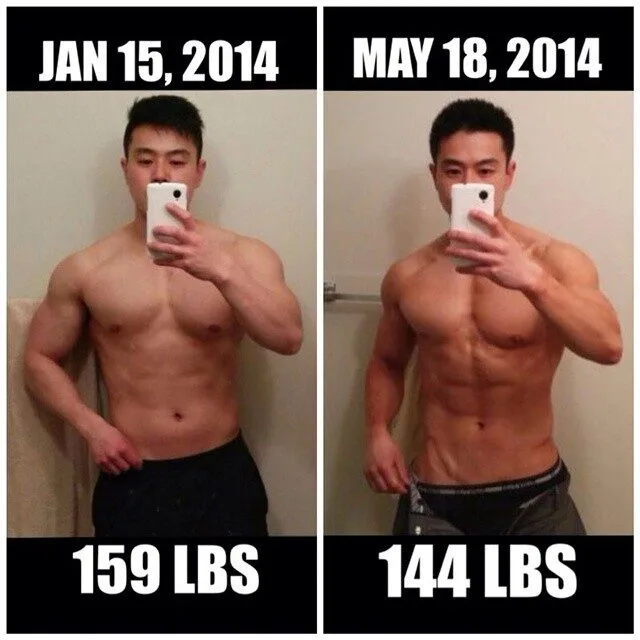
You should log workouts, weights, reps, and time in an app or notebook and review weekly; track 2-3 metrics such as body measurements, performance (e.g., add 5-10% load every 2-4 weeks), and photos monthly. Use apps like Strava or MyFitnessPal for automated graphs, set a weekly 10-minute review to spot trends, and pivot goals based on data to keep momentum and measurable wins.
Finding a Workout Buddy
Seek partners in group classes, local running clubs, gym boards, or apps like Meetup; train together 1-3 times per week and agree on shared accountability and availability up front. Match on pace and goals-if you lift heavy, pick someone with similar experience-and set a simple check-in system (texts or a 5-minute pre-workout call) to increase adherence and enjoyment.
When you recruit a buddy, create a short agreement: meet for 60-minute sessions twice weekly, start with a 10-15 minute warm-up, and assign spotting or tempo goals for each workout. Test compatibility over 2-4 weeks, swap feedback, and set boundaries for missed sessions; prioritize safety-never push maximal lifts without a competent spotter to avoid injury risk.
Nutrition and Recovery Considerations
Fueling Your Body
Prioritize protein at 1.6-2.2 g/kg of bodyweight to rebuild muscle-if you weigh 70 kg, aim for about 112-154 g/day-and spread it into 20-40 g per meal. Time 20-40 g of carbs around workouts for energy and recovery, and target a modest calorie surplus of ~200-300 kcal/day if rebuilding muscle or a conservative deficit ≤500 kcal/day if cutting. Hydrate consistently (roughly 1.8-2.8 L/day for many adults) and avoid extreme low-calorie approaches under 1,200 kcal/day.
Importance of Rest Days
Allow 24-72 hours between intense sessions for the same muscle groups so muscle protein synthesis and connective tissue repair can occur; sleep of 7-9 hours nightly amplifies recovery, reduces inflammation, and lowers injury risk. If you push heavy every day, performance and immune function drop.
On rest days use active recovery-20-30 minutes of walking, easy cycling, or mobility work-to increase blood flow without stressing tissues. Maintain your protein intake, reduce overall volume rather than intensity during deloads (every 4-8 weeks, cut volume by ~40-60%), and watch for warning signs like persistent soreness>72 hours, elevated resting heart rate, or declining lifts-these indicate you need more recovery.
Overcoming Barriers to Consistency
Time, motivation, and old habits can derail you; use micro-sessions and scheduling to rebuild momentum: aim for 10-20 minute focused workouts 3-5 times per week, block them like meetings, and track completion. If travel or fatigue hits, swap to bodyweight circuits or brisk 20-minute walks to keep adaptation while preventing burnout and loss of progress.
Dealing with Setbacks
If illness or schedule lapses set you back, restart conservatively: reduce intensity to 50-70% of previous loads and cut volume by about 30% for the first 1-2 weeks. Stop immediately and consult a clinician if you experience sharp pain; for short breaks, maintain frequency with lower intensity to preserve habit and limit deconditioning.
Adjusting Expectations
You should expect a phased return: strength and endurance often take 4-12 weeks to rebuild depending on break length and prior training, but muscle memory accelerates gains compared with beginners. Track objective markers like load, reps, and resting heart rate to gauge true progress rather than daily mood or scale changes.
For example, if you were off 3 months, use a 12-week build: Weeks 1-2 do 10-20 minute low-impact sessions 3x/week; Weeks 3-6 increase to 30-40 minutes, 3-4x/week with two higher-effort intervals; Weeks 7-12 reintroduce heavier loads and 1-2 high-intensity sessions. Increase load by ≤10% per week and avoid jumping straight to past maxes to reduce injury risk.
Common Factors Influencing Success
You’ll see that elements like consistency, recovery, and progressive overload drive how fast you rebound; targeting 3 sessions per week and tracking load helps you measure progress in 6-8 weeks. Perceiving small wins-adding 5-10 minutes, increasing weight by 2-5%, or reclaiming one extra sleep hour-keeps motivation aligned with objective gains.
- Consistency – frequency and adherence (e.g., 3×/week).
- Nutrition – protein targets (~0.7-1.0 g/lb) and calorie balance.
- Sleep – aim for 7-9 hours for recovery and hormone regulation.
- Progressive overload – increase volume/weight by ~2-5% increments.
- Support – training partners, coaches, or accountability systems.
- Mental attitude – process goals and habit strategies.
Lifestyle Choices
Your schedule, sleep, and eating patterns determine recovery capacity: with 7-9 hours of sleep and steady protein intake you improve repair and reduce injury risk; hitting three 30-45 minute sessions weekly often yields measurable fitness gains in 6-8 weeks. Prioritize meal prep, time-blocked workouts, and short daily walks to maintain activity when time is tight.
Mental Attitude
Your mindset shapes adherence more than starting fitness-setting process-based goals (attend 3 sessions/week) and tracking completion increases consistency. Use visualization, positive self-talk, and small rewards to reinforce behavior; if you view setbacks as data rather than failure, you’ll adjust volume and stay engaged instead of abandoning the plan.
Adopt tactics like implementation intentions (“If it’s 6 pm, then I train”), habit stacking, and external accountability to build routines; research on habit formation shows an average of about 66 days to solidify new behaviors, so expect variability early on. Balance persistence with planned deloads and monitor objective markers (RPE, weekly volume) to avoid injury from unchecked pushing.
Final Words
Drawing together your past experience and a simple plan, you rebuild strength and stamina steadily by setting realistic goals, progressing slowly, combining cardio, strength, and mobility, and prioritizing consistent short sessions over sporadic long workouts. Track progress, allow rest, adjust nutrition, and seek support when needed; with patience and steady effort, your fitness will return and improve safely.
FAQ
Q: How do I safely restart my fitness routine after several months off?
A: Start with a brief health check-if you have chronic conditions or recent injuries, consult a clinician first. Begin with low to moderate intensity and shorter sessions (20-30 minutes) focusing on mobility, walking or light cardio, and bodyweight strength exercises. Use a thorough warm-up and end with gentle stretching. Follow progressive overload by increasing duration, sets, or intensity by about 10% per week rather than jumping back to previous loads. Prioritize movement quality over heavy weights; reduce weights and increase reps if technique breaks down. Watch for sharp pain versus normal muscle soreness; stop or modify exercises that cause joint pain and seek professional advice if pain persists.
Q: How should I structure a comeback plan so it’s sustainable?
A: Build a plan around specific, measurable short-term goals (for example: three 30-minute sessions per week for four weeks, then add a strength day). Include a mix of cardiovascular work, two to three strength sessions targeting all major muscle groups, and mobility or flexibility work. Schedule rest or active recovery days and plan a deload week every 4-6 weeks where volume or intensity drops 30-50%. Track progress with simple metrics (session count, minutes exercised, weights lifted, perceived exertion). Adjust based on fatigue and life stressors; consistency beats intensity early on. Example: Weeks 1-2 focus on consistency and technique, Weeks 3-6 increase volume or resistance gradually, Weeks 7-8 introduce more structured intervals or heavier lifts.
Q: How can I stay motivated and avoid re-injury during the restart?
A: Use short, achievable milestones and log successes to build momentum. Vary workouts to avoid boredom and overuse injuries-alternate cardio formats, rotate strength movements, and include mobility or yoga. Find accountability: a workout partner, class, coach, or a tracking app. Prioritize sleep, protein-rich meals, hydration, and stress management to support recovery. When progress stalls, reduce intensity for a week rather than pushing through excessive fatigue. If you experience recurring or worsening pain, pause the offending activity and consult a physical therapist or trainer for technique correction and a tailored program.