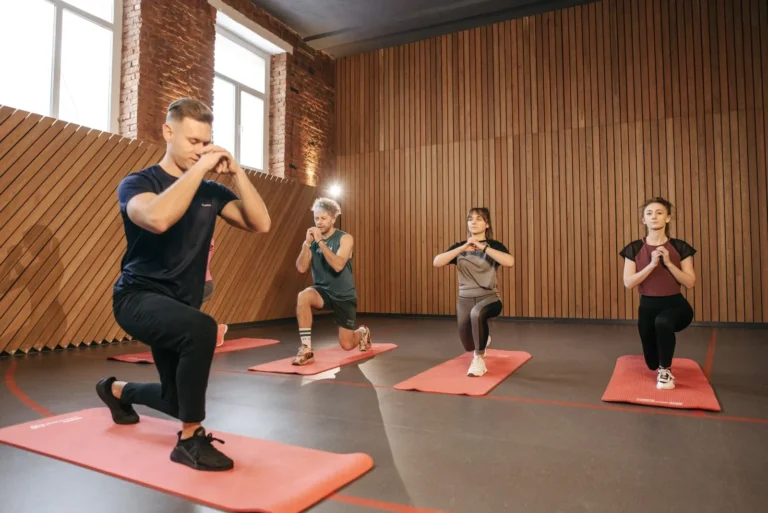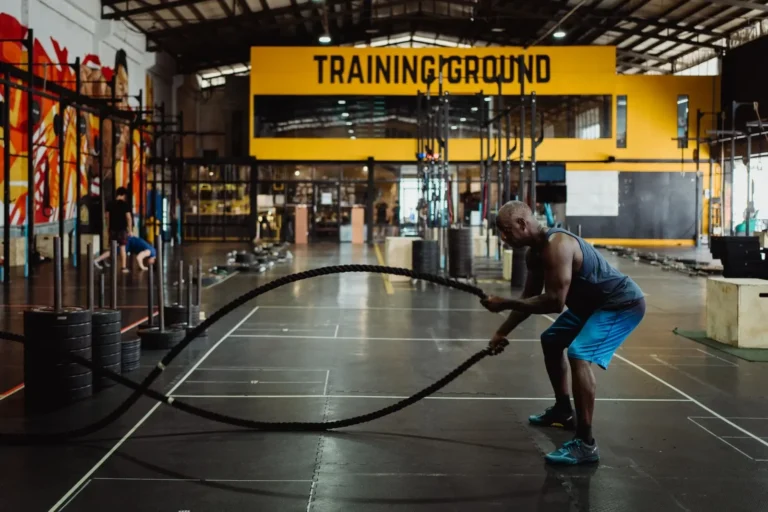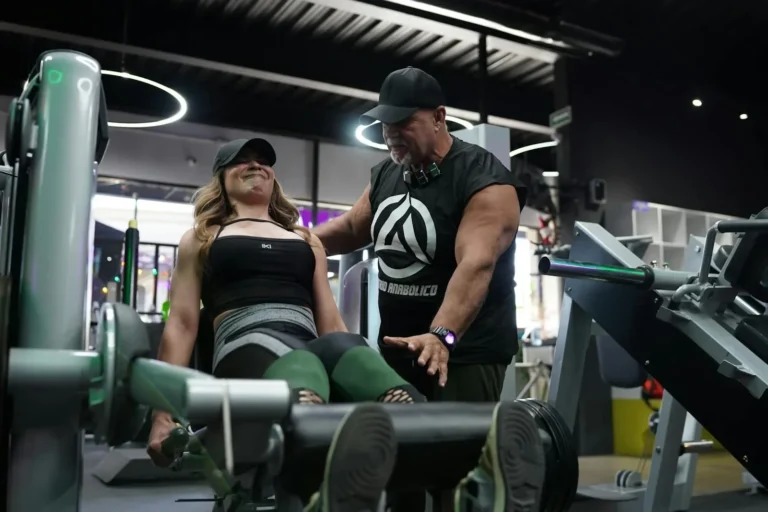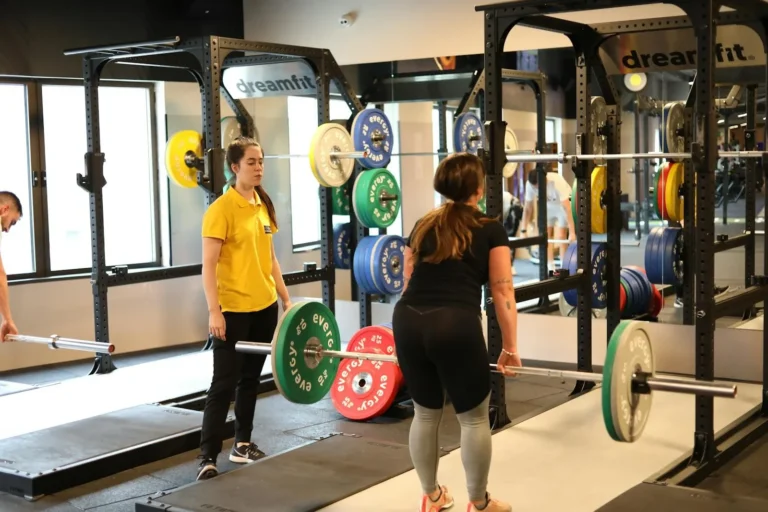
It’s a powerful, accessible routine that gives you full-body conditioning by combining punching, footwork and core work; boxing in Calgary helps you build cardiovascular fitness, strength and agility while burning significant calories. You learn technique and timing with coaches, but beware the risk of injury if you rush progression or neglect form; proper coaching and controlled sparring keep your gains safe and sustainable.
Key Takeaways:
- Combines intense cardiovascular work with strength and core training for high calorie burn and improved endurance.
- Develops functional power, balance, coordination, and mobility through compound movements and skill drills.
- Offers mental benefits-stress relief, focus, confidence-and a supportive Calgary gym community for all fitness levels.
Why Boxing Is an Effective Full‑Body Workout
Your boxing sessions recruit your legs, hips, core, back, shoulders and arms in coordinated patterns that develop strength, power and endurance simultaneously. Short, high‑intensity rounds alternating with active rest train both aerobic and anaerobic systems, improving VO2 and lactate threshold. A typical 45-60 minute session mixing pad work, heavy‑bag rounds and conditioning gives you cardiovascular gains, neuromuscular coordination and core stability in one package. Full‑body coordination and rotational power are primary performance outcomes.
Cardio, calorie burn and metabolic benefits
High‑intensity intervals in boxing push your heart rate into the 70-90% of max zone, producing significant calorie burn and metabolic stimulation. Typical estimates put you at 500-800 kcal/hour during focused sessions; pad work and bag rounds create repeated anaerobic spikes that increase post‑exercise oxygen consumption, extending calorie burn for hours. You can emulate fight rhythm-3‑minute rounds with 1‑minute rests-to maximize both sustained and burst energy systems.
Strength, power and muscular endurance gains
Heavy‑bag combinations, explosive mitt drills and footwork demand force production from your hips and legs while your obliques and shoulders transmit that power into the punch. You can perform 4-6 three‑minute rounds back‑to‑back to build muscular endurance across fast‑ and slow‑twitch fibers, while targeted strength work increases single‑strike force. Leg drive and core rotation produce most punch power, so prioritizing those areas improves both power and durability.
Translate boxing mechanics into measurable gains with compound lifts and sport‑specific power drills: barbell squats or trap‑bar deadlifts (3-6 reps, 3-5 sets), kettlebell swings (8-12), and rotational medicine‑ball throws (3-5 sets of 6-10). Add plyometric push‑ups and heavy‑bag power rounds for rate‑of‑force development, and progress load or volume weekly. Prioritize technique and controlled progression to avoid shoulder or lower‑back injury.
Core Movements and Muscle Groups Targeted
Rotational punching and constant footwork recruit your entire body: anterior chain muscles (pectorals, deltoids), the core (rectus abdominis, obliques, transverse abdominis), hip rotators and glutes, plus quads and calves for drive and balance. A hard boxing session commonly burns 500-800 kcal/hour, and most force comes from hip rotation and core transfer, so targeting those areas yields the biggest performance and conditioning gains.
Punching mechanics, footwork and core engagement
Throwing an effective jab-cross requires sequential force transfer: push off the rear foot, rotate hips 30-45° and snap the torso while your core braces to protect the spine; typical weight shift is roughly 60/40 between back and front during combinations. Practice 1-2-3 drills with deliberate pivoting and timed exhalation to improve torque and reduce shoulder overload.
Defensive movement and posterior chain activation
Slipping, rolling and backpedaling activate the posterior chain-glutes, hamstrings and erector spinae-to decelerate force and restore position quickly; slipping a heavy right cross, for example, relies on an explosive hip hinge and lateral glute drive. Poor hip-hinge mechanics can place excessive load on the lumbar spine, so prioritize coordinated hip and core control during defensive drills and expect measurable improvements in 6-8 weeks of focused work.
To develop that posterior power, incorporate specific exercises: Romanian deadlifts, kettlebell swings, glute bridges and banded hip extensions performed 2-3 times per week (3 sets of 8-12 reps) build strength and explosive control. Emphasize a strong hip hinge and neutral spine on each rep; otherwise you risk lower-back strain-use lighter loads and perfect form before increasing weight to maintain both performance and safety.
Anatomy of a Calgary Boxing Training Session
Sessions typically run 60-90 minutes and break down into clear blocks: a 10-15 minute warm-up, 20-30 minutes of technical work, 15-25 minutes of conditioning/intervals, and optional 3-6 rounds of sparring or situational drills. You’ll cycle through skill drills and high-intensity efforts so you hit both neuromuscular coordination and cardiovascular systems in one workout. Coaches often monitor round count and intensity so you progress safely; proper progression prevents overuse and maximizes gains.
Warm-up, technique drills and pad/bag work
You start with 5-10 minutes of jump rope and dynamic mobility, then 3 rounds of shadowboxing (3 minutes each) to groove footwork and angles. After that you drill combinations on pads for 4-6 rounds with a coach, focusing on timing and setup, then finish with 2-4 heavy-bag intervals (3×3-minute rounds or 6x90s). Emphasize guard, head movement and hip rotation to build power while lowering injury risk.
Conditioning, intervals and sparring options
Your conditioning blends HIIT and strength circuits: Tabata-style 20/10 work, 30s on/15s off rounds, or EMOM sets for 8-12 minutes using sleds, burpees, med-ball slams and shadow sprint intervals. Sparring ranges from controlled technical rounds (3×2-3 minutes at 40-60% intensity) to full-contact sessions gated by coach permission; always use mouthguard and headgear. Expect to burn 500-800 kcal/hour in a high-intensity class and accept that head impacts carry real risk.
For more detail, try a sample progression: two weekly sessions focused on technique+conditioning (10-15 min warm-up, 25 min pads/bag, 20 min HIIT) and one session with supervised sparring (2-4 technical rounds, 1-3 controlled contact rounds). Track intensity by heart rate (target 75-90% of HRmax during intervals; HRmax ≈ 220‑age) and increase sparring volume no more than 10-20% per week. Coaches should enforce rest, hydration and a concussion protocol; progressive overload and safety checks keep you improving without unnecessary risk.
Safety, Injury Prevention and Scalability
You should build safety into every session: warm up 10-15 minutes, prioritize technique over power, and scale intensity by rounds (start with 3 x 2-minute rounds then add time or rounds). For sparring, limit frequency early-begin with no more than one light sparring session per week-and increase as your skill and recovery improve. Use proper equipment, track load (sessions per week), and deload every 4-6 weeks to reduce cumulative injury risk.
Proper progression, technique and recovery
You must master stance, footwork, jab and defense before chasing power: spend 4-8 weeks on fundamentals with 2-3 coached sessions weekly. Aim for consistent, quality repetitions (roughly 200-400 technical reps per week) rather than high-volume sloppy work. Prioritize sleep (7-9 hours), two rest days weekly, and active recovery like mobility or light cycling; apply planned deloads every month to maintain gains and prevent overuse.
Common injuries and how to minimize risk
You’ll most often see hand/wrist injuries (notably the boxer’s fracture of the 5th metacarpal), shoulder strains, and concussive impacts. Minimize risk by using proper hand wraps and 12-16 oz gloves for pads and sparring, tightening technique on punches, strengthening rotator cuff and wrist stabilizers, and keeping sparring controlled-avoid excessive headshots since concussions carry long-term consequences.
In practice, a typical boxer’s fracture needs immobilization for about 4-6 weeks and shoulder rehab can take months; therefore you should get prompt imaging for suspected breaks and follow graded rehab protocols. For suspected concussion, seek medical clearance and follow a stepwise return-to-play over days to weeks. Implement weekly prehab (wrist/shoulder stability), track pain that worsens with activity, and scale training down immediately if persistent sharp pain or neurological symptoms appear.
Boxing vs. Other Full‑Body Workouts
Boxing blends aerobic conditioning, explosive strength, balance and fine motor skill in one session, so you get coordination and power gains alongside calorie burn. While HIIT, weight training and CrossFit each emphasize particular fitness components, boxing delivers a highly transferable mix of endurance, speed and functional strength that engages the entire kinetic chain every round.
Comparisons with HIIT, weight training and CrossFit
Compared to HIIT’s short anaerobic bursts and CrossFit’s varied modality focus, boxing pairs sustained interval work with technical skill-practice of stance, footwork and combinations adds neuromuscular demand absent from pure lifting. Weight training builds targeted strength and CrossFit tests work capacity; boxing simultaneously taxes cardiovascular output and rotational power, so you develop punching force, core stability and hand‑eye timing in the same session.
Quick Comparison
| Boxing | HIIT / Weight Training / CrossFit |
|---|---|
| Combines aerobic/anaerobic rounds, technique drills, bag work and sparring; typical burn ~500-800 kcal/hr depending on intensity. | HIIT offers short high‑intensity bursts (~300-500 kcal/30-45 min); weight training focuses hypertrophy/strength; CrossFit mixes modalities for metabolic conditioning. |
| High neuromuscular demand: footwork, head movement, rotational power and timing improve coordination and balance. | Strength sessions improve isolated muscle capacity; CrossFit increases work capacity but less emphasis on fine motor skill. |
| Riskier contact element: sparring carries a higher concussion and facial injury risk if unprotected. | Weight training risks tendon/joint overload without technique; CrossFit has acute injury risk during complex lifts if form breaks down. |
| Highly adaptable: drills scale for beginners to elite athletes; measurable via rounds, punch speed, power and sparring performance. | Programmable too-loads, intervals and WODs are measurable via times, loads and reps, making progress quantifiable. |
Time efficiency, adaptability and measurable results
You can get substantial results in 30-45 minute boxing sessions: three structured classes per week improves cardiovascular fitness, core strength and coordination faster than the same time split across non‑technical modalities. Because drills scale, you progress by increasing rounds, adding weighted gloves or tracking punch velocity and bag power with wearable sensors for objective feedback.
For practical planning, a sample 8‑week progression might be 3×45‑minute sessions: week 1-2 focus on fundamentals and conditioning; weeks 3-6 add power drills and interval sparring; weeks 7-8 increase intensity and assess via a timed bag test or punch‑force metric. You should see measurable gains-improved round endurance, 5-15% increases in peak punch velocity or a drop in 1‑mile time-when you pair technique work with progressive overload. Keep in mind that sparring introduces a higher injury variable, so you control risk by using headgear, limiting full contact early and tracking recovery metrics like sleep and perceived exertion.
Choosing the Right Boxing Program in Calgary
You should match program structure to your goals: choose a 6-8 week fundamentals course if you’re new, or ongoing memberships with technique and sparring tracks if you aim to compete. Look for measurable progression-timed bag circuits, monthly skill assessments and video review-and compare costs (drop-in roughly $15-$25, monthly $80-$200). Inspect amenities like showers and parking to ensure the gym fits your weekday or weekend routine.
Coaching credentials, class types and facility quality
Check coaches’ certifications, competitive records and years of coaching experience, and confirm how sessions differ for beginners, intermediates and competitors. Expect technique classes of 6-12 students and cardio sessions up to 20+, with posted safety protocols and accessible first-aid. Inspect heavy bags, mats and rings for wear and hygiene, and review coach-to-student feedback methods. Thou should pick a gym where video review, staged progression and individualized corrections are standard.
- Certifications
- Class types
- Coach experience
- Facility quality
- Safety protocols
| Credentials | Level 1/2 coaching certificates, amateur/pro fight history, and coaching tenure (years) |
| Class types | Beginner 6-8 week courses, technique, cardio-boxing, and sparring nights |
| Coach-to-student ratio | Technique: 1:6-1:12; Cardio: up to 1:20; lower ratios for pads and sparring |
| Facility quality | Ring access, 6+ heavy bags, sprung flooring, clean changing areas |
| Safety & equipment | Posted rules, certified first-aid, mandatory wraps/gloves, headgear for sparring |
Scheduling, equipment and community support
You should align class times with your week: many gyms run morning 6:00-7:15 and evening 6:00-9:00 slots, plus weekend open gym hours. Verify equipment policies-most require 12-16 oz gloves and 180″ hand wraps and offer rentals. Assess community support via sparring nights, mentorship programs and regular in-house events to see if the gym fosters peer learning and safety.
Also check how frequently classes run-3-5 sessions weekly for most memberships-and whether the gym enforces progressive sparring rules (light contact first, coach-supervised rounds). Confirm gear maintenance: sanitized gloves/bags, routine mat cleaning and designated storage. Seek gyms that track progress with coach notes or video sessions, run monthly metrics (e.g., timed circuits, pad accuracy stats) and host community activities like inter-gym meets to strengthen your training consistency and motivation.
To wrap up
To wrap up, boxing in Calgary gives you a comprehensive full-body workout that builds strength, cardiovascular fitness, coordination, and mental resilience; training combines high-intensity intervals, resistance work, and functional movements so your core, legs, back, and shoulders all get conditioned while you improve balance, agility, and stress management – making it one of the most efficient, scalable, and engaging ways to transform your fitness.
FAQ
Q: Why is boxing considered one of the best full-body workouts?
A: Boxing combines high-intensity cardiovascular work with strength, power and coordination training. Punching and pad/bag work engage shoulders, chest, back and arms; footwork and stance engage quads, hamstrings, glutes and calves; and every punch and defensive move relies on the core for rotation and stability. Sessions typically mix interval-style conditioning (sprints, jump rope, circuit drills) with skill work and resistance exercises, producing strong calorie burn, improved muscular endurance, faster reflexes and better balance all at once.
Q: How does training in Calgary enhance the benefits of boxing?
A: Calgary’s active fitness community and year-round indoor training options make boxing accessible through group classes, private coaching and community clubs. The city’s changing seasons encourage consistent indoor programming, while many gyms offer structured progressions, conditioning classes and sport-specific strength work that complement outdoor activities. Local coaches can tailor training to goals like fat loss, sport cross-training or competition prep, and the social, instructional environment helps maintain motivation and accountability.
Q: Is boxing safe and suitable for beginners, older adults or people who don’t want to spar?
A: Yes-when programs are coached properly and scaled to ability. Beginners and older adults can start with technical drills, shadowboxing, bag work and low-impact conditioning rather than sparring. Proper technique, hand wraps, gloves and supervised progression reduce injury risk. Trainers typically include warm-ups, mobility, and strength work to protect joints. For those with medical concerns, a health check before starting and clear communication with a coach ensure training is adjusted for safety and long-term adherence.