Overwhelmed by options, you should prioritize three things when choosing a trainer: certifications and proven experience to confirm expertise, clear goal alignment so programs fit your lifestyle, and strong compatibility to keep you consistent; also verify training methods for safety and injury risk and track early results to ensure progress.
Key Takeaways:
- Match trainer expertise and certifications to your specific goals and health needs; ask about experience with clients like you.
- Choose schedule, location, and delivery format (in-person, virtual, hybrid) that fit your routine and allow consistent sessions.
- Evaluate compatibility, communication style, trial sessions, client reviews, measurable progress tracking, and clear pricing/cancellation terms.
Clarify Your Goals & Lifestyle
You should map specific outcomes like losing 10 lb in 12 weeks, running a 5K under 28 minutes, or adding 8-12 lb of lean mass; prioritize health markers, time availability and any injury limitations. Audit your week to reserve one consistent 45-60 minute slot and choose training styles that fit that window. Match a trainer who emphasizes consistency, tailored programming and realistic timelines.
Define fitness goals, priorities and timeline (how-to)
List three measurable goals (e.g., lose 8% body fat, deadlift 315 lb, run 5K in 25 minutes) and rank them by importance; set a 4-12 week microcycle and a 6-12 month macro goal. Track weekly metrics-weight, body fat%, lift numbers or pace-and share them with candidates so they program around your goals and timeline.
Identify schedule, budget and location constraints (factors)
Audit your week and commit to real slots-3×45 minutes or 5×30 minutes-then match trainer availability and commute; a 30‑minute round trip often kills adherence. Typical rates range from $20-$120 per session depending on in-person vs virtual, and many gyms restrict access during peak hours. Any mismatch between these constraints and a trainer’s offerings will reduce long‑term consistency.
- Goals: measurable, prioritized
- Timeline: 4-12 weeks & 6-12 months
- Schedule: 30-60 minute slots, 3-5×/week
- Budget: $20-$120 per session
- Location: commute under 30 minutes or virtual
Any mismatch among those items usually becomes the primary reason clients stop training.
If you work shifts, prefer trainers who offer flexible booking or asynchronous programming; if your monthly budget is under $200, consider semi‑private classes or online coaching, which can cut per‑session cost by 40-70%. When equipment is limited, choose trainers experienced in bodyweight and resistance‑band protocols. Confirm gym access times-early morning (5-7am) and evening (6-9pm) windows see higher demand-and ask about cancellation policies and package discounts.
- Flexibility: shift work, asynchronous plans
- Affordability: group vs one‑on‑one options
- Access: gym hours, parking, childcare
- Equipment: full gym vs minimal setup
Any overlooked constraint tends to erode adherence and progress within weeks.
Evaluate Credentials & Experience
Essential certifications, insurance and ongoing education (tips)
Verify national certifications like NASM, ACE or ACSM, plus current CPR/AED and active liability insurance; many organizations expect 20+ hours of continuing education every two years. Ask to see certificates, course dates and insurance policy scopes so you know coverage limits and renewal timelines. Thou should request proof and compare renewal dates.
- NASM / ACE / ACSM
- CPR/AED
- Liability insurance
- CEUs (20+ hrs / 2 yrs)
Relevant experience, specializations and client outcomes (factors)
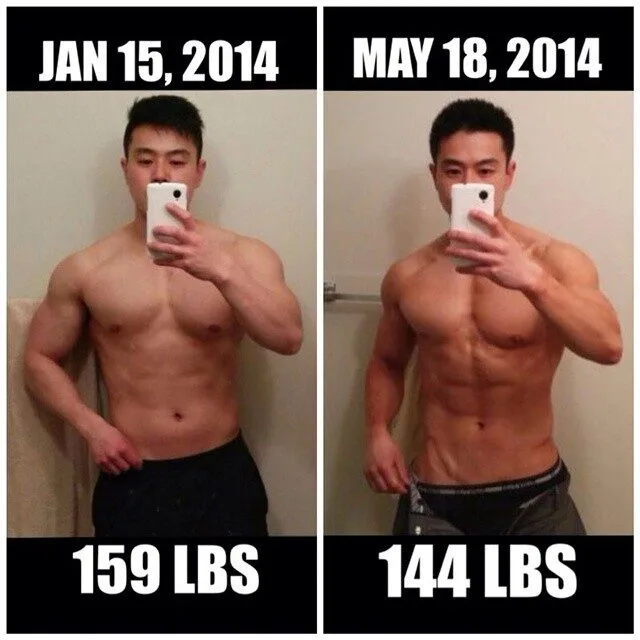
Prioritize trainers with documented experience working with clients like you-look for 2+ years in the field, specialization in areas such as strength, rehab, or weight loss, and concrete client outcomes (case studies, before/after metrics). Request sample programs showing progress markers (body composition, strength tests) and note retention rates or testimonials. Assume that you will ask for references and measurable progress metrics before committing.
- Years of experience
- Specializations (strength, rehab, weight loss)
- Client outcomes
- Case studies / testimonials
Dig deeper into specific outcomes: request anonymized client data showing measurable changes-example: a 12-week hypertrophy program that increased average squat 1RM by 10-20% in novices, or a post-rehab plan with documented pain reduction and mobility gains; check whether the trainer logs sessions, adjusts loads, and tracks adherence. Compare sample timelines, certification recency, and continuing education topics to match your needs. Assume that you will weigh specialization depth over breadth when matching to your goals.
- Measured progress (strength, body comp)
- Program timelines (8-12 weeks)
- Session logging & adjustments
- Specialization depth
Compare Training Approaches
| Approach | What to expect |
|---|---|
| Strength-focused | 3-5 sessions/week, compound lifts, progressive overload, measurable 1RM progress and 8-12 rep hypertrophy phases. |
| HIIT & Conditioning | Short 20-30 min sessions, interval work (e.g., 30s on/90s off), higher metabolic demand, quicker calorie burn but higher injury risk if form fails. |
| Rehab/Corrective | Movement screening, low-load progressive exposure, collaboration with a physio, and slow volume increases to protect tissues. |
| Hybrid / Functional | Mix of strength, mobility and conditioning; sessions often 45-60 minutes, aimed at daily performance and durability. |
Coaching styles, programming methods and session format (how-to)
You should assess whether a coach is more directive (prescription-heavy) or collaborative (education-focused); many coaches use periodization-linear, block or undulating-to hit strength, hypertrophy and conditioning targets over 12-16 week cycles. Expect session formats from 30-90 minutes: warm-up, main lifts (e.g., 3×5 or 4×8), accessory work and mobility. If you want measurable progress, ask for baseline tests (1RM or timed runs) and weekly load increments of ~5-10%. Perceiving how a coach structures sessions reveals fit before you commit.
- Directive vs collaborative
- Periodization
- Session length
Adaptability for injuries, preferences and long‑term progression (tips)
You need a coach who modifies plans for past injuries, swaps exercises for preferences (e.g., bike versus run) and maps progression across months: aim for 5-10% load increases every 1-2 weeks or volume adjustments based on recovery metrics. For common issues like knee pain, expect regressions (e.g., split squats instead of barbell squats) and monitoring of pain below 4/10. Perceiving a coach’s adaptability in the first 2-4 sessions helps you avoid setbacks.
- Load management
- Exercise substitutions
- Pain monitoring
For deeper adaptability, confirm the coach performs a movement screen (e.g., FMS or single-leg balance) and documents baseline deficits; they should communicate with your healthcare provider when needed and use objective markers like RPE, sleep, and HR variability to pace progression. Practical rules: drop to 40-60% of 1RM for reintroduction phases, progress by adding 1-2 sets or 5-10% load every 7-14 days, and halt or regress if pain rises above 4/10 or movement quality degrades. Perceiving consistent data-driven tweaks across 8-12 weeks signals a coach who can keep you fit long term.
- Movement screening
- Progression rules
- Clinical collaboration
Assess Practical Fit
Availability, commute, in‑person vs. online options (factors)
Match the trainer’s schedule to your week: seek early-morning, evening, or weekend slots and decide between 30- or 60-minute sessions based on your routine. Keep your commute under about 20 minutes to maintain consistency, or choose online coaching if you travel often. When you need hands-on correction opt for in-person, while virtual sessions suit busy days and travel. Recognizing your long-term adherence depends on time and travel fit.
- Availability: early/late/weekend slots, 30-60 min options
- Commute: aim for ≤20 minutes to reduce drop-off
- In-person vs. Online: tradeoffs between hands-on form work and schedule flexibility
Equipment, facility standards and hygiene (tips)
You should inspect equipment condition: intact dumbbells (up to 100 lb), aligned squat racks, and recently serviced cardio machines. Prefer a trainer-to-client ratio of 1:1 or small groups (≤6) and visible emergency plans and first-aid kits. Verify cleaning stations, hourly surface wipes, and adequate ventilation or HEPA filtration. The presence of cleaning logs and working safety gear signals a facility that values your health.
- Equipment: free weights, Olympic bars, functional machines
- Facility standards: trainer-to-client ≤1:6, visible emergency procedures
- Hygiene: wipe stations, hourly cleaning, proper ventilation
Ask about peak-hour equipment availability-some studios have 2 squat racks for 50 members, which causes long waits and shortened sessions. If you plan heavy lifts confirm access to Olympic bars, bumper plates, and full free-weight ranges; for rehabilitation check padded benches and adjustable pulleys. Inspect sanitization protocols: many studios use EPA-approved disinfectants and log cleanings hourly, plus show service stickers on machines. The visible occupancy limits and maintenance records reveal how seriously a facility protects your safety.
- Peak-hour equipment: racks-per-member ratio
- Heavy lifting: Olympic bars, bumper plates, 100+ lb free weights
- Sanitization: EPA-approved disinfectants, hourly cleaning logs
Trial, Communication & Red Flags
How to run a trial session and key things to observe (how-to)
Run a 30-60 minute trial where you prioritize movement quality, progression and safety; ask for a baseline like a 5-10 rep max or a timed test to create measurable metrics. Observe whether the trainer corrects form, scales load (e.g., reduces weight by ~20%) and documents sessions. Verify a clear injury screening and informed consent. The trial should leave you confident about their technical and program skills.
- Movement quality
- Progression
- Injury screening
- Session metrics
Communication style, motivation match and warning signs (tips)
Assess communication by how the trainer asks about your goals, past adherence and preferred cues; many clients (~60%) show better adherence with supportive coaching than constant pushing. Look for evidence-based explanations, clear scheduling, and realistic timelines (e.g., 6-12 week phases for strength gains). Avoid pressure to sign long contracts or buy unproven supplements. The match between tone and follow-through should reflect your motivation style and boundaries.
- Communication
- Supportive coaching
- Evidence-based
- Red flags
Watch warning signs such as dismissing pain reports, using one-size-fits-all programs, or frequent cancellations (>2 per month); poor tracking and no adjustments are common indicators of a bad fit. Contrast that with coaches who log weekly metrics-one client improved their squat by 15 kg in 12 weeks using progressive overload and recorded RPE. Set clear boundaries and an exit plan if pressure or unsafe practices appear. The sooner you act the less time you’ll waste.
- Dismissing pain
- One-size-fits-all
- Frequent cancellations
- Poor tracking
Make the Decision & Start Strong
Decision checklist, contracts and trial periods (how-to)
You should run a focused checklist: verify certifications (NASM, ACE, CSCS), confirm insurance and CPR, request experience with your goal, compare availability and hourly rates, and read cancellation and refund clauses carefully. Typical trials are 1-3 sessions and common contract windows are 4, 8 or 12 weeks; avoid long auto-renew locks and steep cancellation fees. Ask for two client references and a sample week of programming to test fit. Thou sign only after a satisfactory trial and clear terms.
- Personal trainer
- Trial session
- Contract length
- Cancellation fee
- Certifications
Goal-setting, tracking metrics and regular reviews (tips)
You should set SMART targets-example: a 12-week strength increase of 10-15% or a 5K time improvement of 30-60 seconds-and choose 3-5 KPIs like body fat %, 1RM, resting heart rate, weekly adherence and photos. Schedule biweekly mini-checks and monthly performance reviews; a client case showed an 18% squat 1RM gain and a 5% body fat drop in 12 weeks using weekly tracking and nutrition logs. Thou keep measurements consistent and log them centrally.
You can prioritize measurement methods: use DEXA or calibrated calipers for composition, track training load with RPE and weekly volume, and monitor recovery via sleep and resting HR to avoid overtraining. Aim for 5-15% progressive overload where safe, plan deloads every 4-6 weeks, and target a 70-85% adherence rate to hit most goals; consistent data lets you adjust nutrition, volume or intensity quickly. Thou review results with your trainer at least monthly.
- Goal-setting
- Tracking metrics
- Progress reviews
- Body composition
- Progressive overload
To wrap up
With this in mind, weigh your goals, schedule, budget and trainer credentials to select someone whose methods, personality and availability align with your lifestyle; communicate expectations clearly, start with a trial session, track progress, and adjust the plan as your needs evolve to ensure sustained results and satisfaction.
FAQ
Q: How do I identify a personal trainer who matches my goals and daily routine?
A: Define your primary goals (weight loss, strength, endurance, rehab, sports performance) and the time you can reliably commit each week. Search for trainers who advertise those specialties and filter by proximity or virtual availability. Ask for sample programs or a short plan for your first month to see whether their approach aligns with your preferences (more structured vs. flexible, gym-based vs. home workouts). Confirm they have experience with clients at your fitness level and any medical or movement limitations you have.
Q: What certifications, experience, and safeguards should I check before hiring?
A: Verify national or reputable certifications (examples: NASM, ACE, ACSM, NSCA) and that they carry professional liability insurance. Ask how long they’ve worked with clients and for references or client success stories with similar goals. Confirm first-aid/CPR certification and any continuing education in areas you need (e.g., corrective exercise, pre/postnatal, sports-specific). Request a background check or online reviews, and make sure they document assessments, progress tracking, and emergency procedures.
Q: Which practical and personal factors affect whether a trainer will fit my lifestyle long-term?
A: Compare scheduling flexibility, session length, cancellation and rescheduling policies, and pricing or package options to your budget. Decide if you prefer in-person, outdoor, or virtual sessions; test a trial session to evaluate commute time, gym access, and equipment needs. Assess communication style-do they give clear instructions, written workouts, and follow-up? Look for trainers who set measurable short-term goals, adjust plans as life changes, and whose personality motivates you without creating anxiety or pressure.