Training with a certified personal trainer in Calgary gives you personalized programs that accelerate results, correct your form to reduce injury risk, and adapt workouts to your medical history so you train safely; a trainer also provides accountability, nutrition guidance, and measurable progress so you maintain momentum and build lasting habits that protect your long-term health.
Key Takeaways:
- Personalized programs tailored to your goals, fitness level and Calgary’s seasonal conditions for consistent year-round progress.
- Professional guidance on safe technique, injury prevention and efficient workouts that save time and accelerate results.
- Accountability, motivation and measurable tracking-plus local knowledge of outdoor routes, gym resources and recovery options to sustain long-term change.
Why Calgary-specific training matters
Your programs should account for Calgary’s altitude (just over 1,000 m), wide temperature swings and winter-to-summer activity shifts. Trainers tailor intensity, recovery and hydration so your VO2 and joint loading adapt to thinner air and icy surfaces. They also schedule periodized blocks around local event calendars-Stampede runs, fall trail races or winter ski season-to help you peak when it matters. Ignoring these factors raises injury and performance setbacks, so local expertise directly speeds progress and lowers risk.
Climate, seasons and outdoor activity considerations
Winters often bring prolonged cold with lows near -20°C, then abrupt Chinook warming that can shift temps by 20°C+ in hours; summers commonly reach 20-28°C. Your trainer scripts layered gear, ice-grip footwear, and session intensity to match footing and thermal stress, and programs acclimation blocks for early-season skiers or late-summer cyclists. Without those adjustments you’ll face greater frostbite, dehydration and slip-related injury risk.
Local facilities, community resources and sport culture
Calgary’s network-from WinSport (Canada Olympic Park) and Nakiska-accessible coaching to Glenmore Reservoir paddling and Fish Creek trails-gives your training variety. You’ll find over 800 km of pathways, numerous community centres and vibrant clubs for running, cycling, hockey and triathlon. Trainers leverage these resources for sport-specific drills, technique sessions and competition prep, making your workouts more transferable to real-world conditions and local events.
Trainers routinely partner with facilities to deliver targeted sessions: strength and sprint work at WinSport, on-water technique at Glenmore, and trail-specific agility in Fish Creek. They often plug you into organized groups-masters swim lanes, adult hockey skates or weekend trail runs-so you get coached volume without guessing. This approach boosts skill transfer, ensures access to proper equipment and provides community accountability, which together accelerate results and reduce solo-training risks.
Core benefits of hiring a personal trainer
You gain tailored expertise that speeds results, reduces injury risk, and keeps you consistent. Trainers design sessions around your schedule, medical history and goals, so you spend less time guessing and more time progressing. In Calgary, clients often combine in-gym coaching with at-home guidance to improve adherence; many see noticeable strength and body-composition changes within 8-12 weeks, plus the added benefit of professional nutrition tweaks and objective tracking.
Personalized programming and goal-focused plans
You receive a plan built from baseline tests-mobility screens, movement patterns, and strength or 1RM estimates-then structured into progressive 4-12 week blocks. Trainers adjust intensity, volume and exercise selection for injuries like knee pain or previous surgeries, and incorporate periodization so your workouts peak when you want them to. That individualization prevents wasted sessions and keeps every workout moving you toward clear, measurable goals.
Faster progress, accountability and measurable results
You benefit from accountability that turns intention into consistent action: scheduled sessions, coach check-ins and training logs increase adherence. With objective metrics-weight, tape measurements, rep maxes, and session RPE-you track progress week-to-week. Many coached clients reach target milestones in half the time they did alone, driven by regular feedback and small, data-driven adjustments.
You can expect specific measurement strategies: monthly body-fat or tape measurements, biweekly strength tests, and weekly session load tracking to quantify progress. Coaches typically use progressive overload and microcycle changes-adding 2-10% load or 1-2 reps per week-to drive gains while monitoring fatigue. For example, a client following a 12-week plan might increase squat by 10-20% and reduce body fat by 1-3 percentage points, outcomes confirmed through repeated testing and coach-led adjustments.
Safety, technique and injury prevention
A trainer in Calgary will reduce risk by teaching you scalable technique and monitoring load; since low back pain affects up to 80% of adults, emphasis on hip hinge, core control and scapular stability prevents common issues. You get objective metrics-movement screens, load progression and session RPE-so programming moves from guesswork to a planned, measurable path that lowers injury likelihood while speeding strength and mobility gains.
Movement screening, correct form and progressive overload
Using tests like the Functional Movement Screen, single-leg squat and overhead-squat, your trainer pinpoints mobility or stability deficits and corrects them with drills and cueing. Progression follows evidence-based steps: small load increases (typically 2-10% per week) or volume modulation, plus auto-regulation when you report high fatigue, ensuring you gain strength without compromising form.
Managing injuries, chronic conditions and rehabilitation pathways
If pain or a flare appears, your trainer triages using a 0-10 pain scale, red-flag checks (loss of bowel/bladder, severe neurological changes) and collaborates with physiotherapists or physicians. You receive modified exercise prescriptions-isometrics, reduced range, tempo changes-to maintain fitness while protecting healing tissues and preventing compensation patterns that cause secondary injuries.
For return-to-exercise, your trainer applies objective criteria: pain-free range of motion, functional tests, and strength symmetry targets (often ≥90% of the uninjured side). Acute muscle strains often recover in 2-6 weeks, whereas ACL rehab commonly spans 6-9 months; your program uses progressive loading, hop/strength tests and session RPE tracking to safely restore performance.
Motivation, behaviour change and mental health
You benefit from structured accountability that turns short bursts of willpower into lasting change; a 2017 meta-analysis found one-on-one coaching raised exercise adherence by roughly 35% at six months. You get tailored strategies to overcome Calgary-specific barriers like winter darkness and gym access, and a trainer spots technique faults that otherwise lead to injury or plateaus. Expect measurable checkpoints, weekly check-ins and data-backed adjustments to keep momentum and protect your mental well-being.
Habit formation, adherence strategies and coach support
You learn habit-stacking and micro-goals-starting with 10-minute sessions and building to 150 minutes of moderate activity per week-while your coach applies SMART goals and relapse planning. Research (Lally et al.) shows habit automation averages around 66 days though ranges from 18-254 days, so your trainer phases intensity and uses reminders, rewards and accountability calls to raise your adherence from occasional to routine.
Confidence, stress reduction and long-term lifestyle shifts
You gain confidence as objective gains accumulate: twice-weekly strength training often produces noticeable strength and posture improvements within 8-12 weeks, which boosts self-efficacy. Exercise also lowers anxiety and cortisol, improves sleep, and in many trials has effects comparable to medication for mild-to-moderate depression. Your trainer guides progressive wins and coping strategies so the psychological benefits translate into sustainable lifestyle shifts.
For example, clients who commit to a 12-week personalized plan typically report a 30-40% drop in perceived stress and a major uptick in activity adherence; one common pathway is replacing evening screen time with a 20-30 minute resistance circuit, leading to better sleep and reduced evening cravings. Your coach measures progress, adjusts volume to avoid overtraining, and coaches mindset techniques so those short-term wins become long-term habits.
How to choose the right trainer in Calgary
When choosing a trainer in Calgary, prioritize verified credentials, local experience and a clear plan: expect typical rates of $60-$150/hour, request a trial session and insist on a written 8-12 week program with measurable goals. Compare gym-based, in-home and online options, factor commute and schedule, and ask for client outcomes-for example, an 8-12 week case showing fat loss, strength gains or rehab progress.
Certifications, specialties and evidence-based approach
Scan certifications like CSEP, CanfitPro, ACE or NASM/CSCS and verify course hours, exams and insurance. Verify use of validated assessments-PAR‑Q+, movement screens, 1RM estimates or body‑fat testing-and programs that employ periodization and progressive overload. Request case examples: a trainer who raised a client’s 1RM squat by 15-25% in 12 weeks or delivered phased post‑op rehab demonstrates an evidence-based approach.
Compatibility: personality, availability and client testimonials
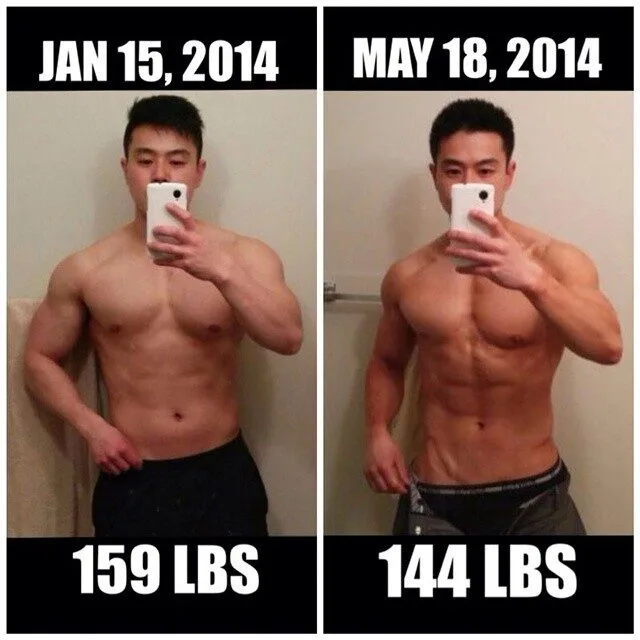
Match personality and logistics: whether you respond to a supportive coach or a drill‑sergeant affects adherence. Check availability for mornings, evenings or weekends, confirm pricing and cancellation policy, and review Google/Facebook testimonials. Ask for 2-3 client references or before/after case studies; a good fit often starts with a free trial or discounted first session and clear communication about expectations.
Probe specifics: ask how a trainer handled clients with knee replacements, pregnancy or diabetes and request timelines, metrics and photos. Clarify communication-daily texts, weekly check‑ins or app updates-and training cadence, typically 2-4 sessions/week for steady progress. Confirm gym access, travel radius, insurance receipts for extended health claims, and sample workout plans; a documented client case showing measurable change in 8-12 weeks is especially persuasive.
What to expect and value assessment
When you work with a trainer in Calgary you’ll get an individualized value assessment combining movement screens, body-composition testing, and lifestyle review to quantify baseline risk and gains. Typical processes include a 45-90 minute intake, objective tests (body fat, push-up/plank, 3-minute step), and SMART goals; many clients see 5-15% body-fat reductions or 20-30% strength gains within 8-12 weeks, giving clear metrics to measure the return on your time and money.
Initial assessment, session structure and progress tracking
The initial assessment usually lasts 45-90 minutes and covers PAR-Q/medical history, mobility screens (e.g., FMS), body-composition testing (skinfold or BIA), and baseline strength/cardio tests. Sessions then follow a predictable structure-10-15 minute warm-up/mobility, 25-40 minute strength or skill block, 10-20 minute conditioning, 5-10 minute cool-down. Progress is tracked with photos, measurements, rep-max charts and 4-6 week retests; trainers flag red‑flag movement patterns to reduce injury risk.
Pricing models, packages and return on investment
Trainers offer hourly rates, packages, monthly subscriptions, small-group sessions and online coaching; in Calgary hourly rates often range from $60-$120, 10-20 session packages commonly yield 10-25% discounts, and group classes can be $15-$40 per session. You should compare what’s included-assessments, programming, nutrition support-and measure ROI by tracking health metrics, fewer healthcare visits, and productivity gains relative to program cost.
For a concrete example, a 12-week package of 24 sessions at $80/session totals $1,920; if that program produces a 25% strength increase and a 5-10% drop in resting blood pressure, those outcomes can offset medical visits and lost work days, making the investment cost-effective. Ask trainers for local case studies or client data so you can quantify expected returns before committing.

Summing up
As a reminder, hiring a personal trainer in Calgary gives you a personalized plan, expert coaching on form and progress, targeted injury prevention, and consistent accountability so you reach goals faster and safer; your trainer adapts workouts to your schedule, environment, and needs, helping you build sustainable habits that truly transform your health.
FAQ
Q: How can a personal trainer in Calgary tailor a fitness program to my specific goals and local environment?
A: A certified personal trainer in Calgary will begin with a thorough intake that includes goal-setting, movement screening, fitness testing, lifestyle and schedule review, and any medical or injury history. They adapt programming to the city’s seasonal conditions-designing safe, effective outdoor sessions for milder months (river pathways, prairie hills, urban parks) and alternate indoor plans for winter that use gyms, studio spaces, or at-home equipment. Trainers apply principles like progressive overload and periodization while aligning workouts to your goals (weight loss, strength, endurance, postural correction). They also integrate practical considerations such as commute times, work hours, childcare, and access to facilities so the plan fits your life and is sustainable.
Q: What benefits beyond exercise can a Calgary personal trainer provide that transform overall health?
A: A trainer brings more than a set of workouts: they provide accountability, education, and monitoring that accelerate progress and reduce setbacks. They coach nutrition strategies tailored to your preferences and local food access, advise on sleep and stress management, and teach movement patterns that lower injury risk and improve daily function. Many trainers coordinate with local healthcare providers, physiotherapists, or registered dietitians when clients have special medical needs. They can also offer metabolic testing, body composition tracking, and performance metrics so you see objective progress. The combination of consistent support, habit coaching, and measurable feedback often leads to lasting improvements in physical health, mental well-being, and confidence.
Q: How do I choose a qualified personal trainer in Calgary and what should I expect during the first few sessions?
A: Look for credentials such as CSEP, CanFitPro, NSCA, NASM, or equivalent certifications and verify experience with clients who share your goals. Ask about liability insurance, continuing education, and any specialized training (rehab, sports performance, prenatal/postnatal). Request references or client testimonials and inquire about session formats (one-on-one, small group, outdoor, online) and pricing. In the first session expect a detailed consultation, baseline assessments (mobility, strength, cardiovascular fitness), goal-setting using SMART principles, and a demonstration of basic movements. The trainer should outline a short-term plan, safety modifications, and clear next steps. Early sessions prioritize technique, load management, and building a plan you can follow consistently, with regular check-ins and adjustments as you progress.