It’s crucial that you understand how hybrid training blends strength, cardio, and mobility to deliver smarter results: by combining resistance, metabolic work, and flexibility you develop greater strength, endurance, and movement quality, while a thoughtful plan can reduce injury risk. However, if you rush or neglect recovery, overtraining and injury become real threats, so prioritize progressive programming and consistent technique.
Key Takeaways:
- Combines strength, cardio, and mobility to improve overall fitness and training efficiency by developing power, endurance, and movement quality within a single program.
- Addresses movement patterns and joint health alongside load and conditioning to lower injury risk and speed recovery.
- Highly adaptable: scalable progressions and varied modalities suit athletes, general exercisers, and time-pressed individuals seeking balanced results.
Understanding Hybrid Training
Definition and Key Components
Hybrid training blends strength, cardio, and mobility into a single program so you develop power, endurance, and movement quality together. Typical components include periodized strength blocks (3-6 rep heavy lifts), aerobic conditioning (steady runs, intervals like 4×4 minutes), and daily mobility flows (10-20 minutes). You sequence sessions, manage volume, and prioritize recovery; session order and intensity control determine whether you build strength, endurance, or both.
Benefits of Hybrid Training
Hybrid programs let you gain strength while improving cardiovascular fitness, often showing measurable changes in 6-12 weeks when you train consistently. They increase work capacity, accelerate fat loss via higher metabolic demand, and enhance movement efficiency for daily tasks. For team athletes and tactical operators this translates to better repeated-sprint ability and load carriage. Keep volume balanced so you retain gains across modalities.
Beyond performance, hybrid training builds resilience and reduces injury risk by reinforcing movement patterns and connective tissue; include targeted mobility to lower stiffness. If strength is primary, use roughly a 2:1 strength-to-cardio session ratio; for balance, aim 1:1. Separate heavy lifts and long endurance efforts by 6-24 hours or different days, and monitor fatigue because excessive high-volume endurance can blunt hypertrophy and strength gains.
The Importance of Strength Training
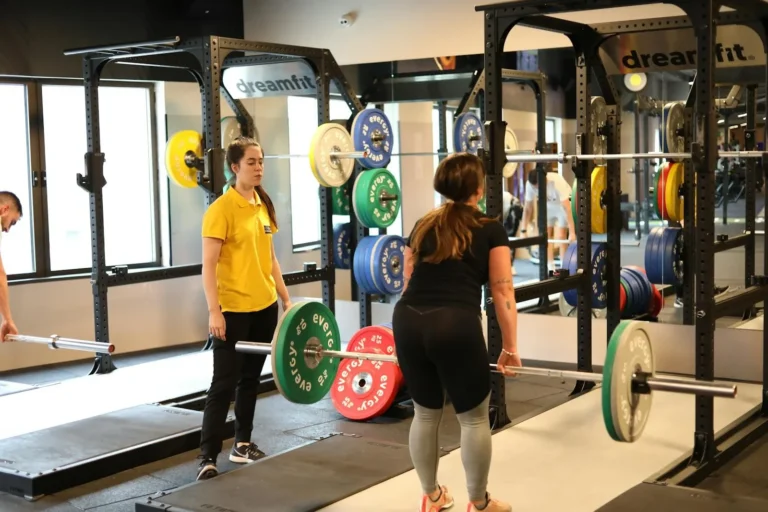
You should prioritize strength work because it underpins performance, joint health, and longevity: lifting 2-4 times per week with progressive overload produces measurable gains in 8-12 weeks, increases bone density and functional capacity, and reduces fall and injury risk as you age; at the same time, poor technique or excessive load without progression can cause acute injuries, so emphasize form and planned progression to protect your long-term training capacity.
Building Muscle Mass
You build muscle most efficiently by combining compound lifts (squat, deadlift, bench, row) with hypertrophy protocols-typically 6-12 reps, 3-5 sets and progressive overload; novices often gain ~1-2 lb of lean mass per month with consistent training and adequate nutrition, while intermediate trainees need more volume and periodized cycles to keep adding size.
Enhancing Metabolic Rate
Strength training raises resting metabolic rate because added muscle increases daily energy expenditure-each pound of muscle burns roughly 6-13 kcal/day-and high-intensity sessions drive post-exercise oxygen consumption, often adding 50-200 kcal of extra burn over 24-48 hours depending on intensity and volume.
To leverage that effect, schedule 2-4 resistance sessions weekly emphasizing heavy compound work and moderate volume, support growth with ~1.6-2.2 g/kg protein, and avoid sustained calorie deficits greater than ~20% which can cause muscle loss; place strength work before long cardio sessions to preserve intensity and maximize the metabolic benefits.
The Role of Cardiovascular Exercise
You should integrate cardio that complements strength and mobility; public guidelines recommend 150 minutes moderate or 75 minutes vigorous weekly, but hybrid approaches often favor shorter, intense sessions-like two 20-30 minute HIIT rides-to raise VO2, improve metabolic flexibility, and burn fat while preserving muscle mass.
Improving Heart Health
Regular aerobic work lowers resting heart rate, enhances endothelial function and can reduce systolic blood pressure by about 5-8 mmHg; population studies link consistent activity to a roughly 20-30% lower risk of coronary events, and if you have hypertension or coronary disease, prioritize steady-state sessions at 60-75% HRmax and clear high‑intensity plans with your clinician.
Boosting Endurance
To raise your VO2max and stamina, include threshold and interval work such as 4×4 minute intervals at 90-95% HRmax or 20-40 minute tempo efforts at ~80-90% of threshold; combining those with recovery days typically yields 10-20% VO2max gains in 6-8 weeks for trained and untrained athletes.
Structure a week with 2-4 cardio sessions: one long low‑intensity session (60-90 minutes at 60-70% HRmax), one tempo (20-40 minutes at threshold) and one HIIT (20-30 minutes); pair this with mobility postworkouts and monitor fatigue-overtraining increases injury and illness risk, so reduce volume or intensity if your sleep or resting HR deteriorates.
Incorporating Mobility Work
Integrate mobility into your sessions by adding 5-15 minutes of targeted drills before and after strength and cardio, prioritizing ankle dorsiflexion, hip hinge mechanics, and thoracic rotation. Use dynamic patterns pre-workout and static or PNF holds (30-60 seconds) post-workout. Over 4-8 weeks this approach measurably improves range and movement quality, boosting transfer to lifts and sprints.
Enhancing Flexibility
To enhance flexibility, combine post-workout static stretching (hold 30-60 seconds) with PNF protocols of 3-5 contract-relax reps, performed 2-3 times weekly. For example, add hamstring PNF after leg day to increase hip hinge depth; many lifters see measurable ROM gains in 4-6 weeks. Track progress with a sit-and-reach or overhead squat screen.
Preventing Injuries
Limited ankle dorsiflexion and poor thoracic rotation often shift load to the knee and lower back, raising your risk of ACL tears and lumbar strains. Address deficits with 5-10 minutes of targeted mobility before sessions and an additional 10 minutes post-session, performing corrective drills 2-4 times weekly to reduce compensatory patterns and improve resilience.
Evidence-based warm-up programs that include mobility illustrate the protective effect: the FIFA 11+ program, which blends mobility, strength, and balance, reduced injuries by up to 39% in randomized trials, showing what consistent work can do. In practice, you should prioritize ankle band distractions (about 10 reps each), thoracic rotations (8-12 reps), glute activation (2×10-15), and foam rolling (30-60 seconds) around sessions. Use the single-leg squat and ankle lunge tests to quantify deficits and retest every 4 weeks to guide progressions and reduce overload during sprinting and cutting drills.
Designing a Hybrid Training Program
You should structure weekly blocks around specific goals: 2-4 strength sessions (3-5 sets, 4-12 reps), 2-4 cardio sessions (steady 30-60 min at 60-75% HRmax or HIIT 8-15 min work intervals at 80-95% HRmax), and daily mobility work (10-15 minutes). Prioritize heavier lifts early in the week with 48-72 hours between max-effort sessions, progressively load by ~2.5-5% when form holds, and monitor readiness to avoid overtraining.
Balancing Strength, Cardio, and Mobility
Place strength before cardio when power or maximal force matters; otherwise separate sessions by 4-6 hours or different days. Allocate 60-75% of intensity to your primary goal that week (e.g., a strength-focused week uses higher load, lower HIIT volume). Include at least 10 minutes of targeted mobility after warm-ups and 10 minutes post-session to reduce pain and improve range-this lowers injury risk and speeds recovery.
Sample Workouts for Different Levels
Beginners: 3 sessions/week-two full-body strength (3×5-3×8) + one 25-35 min steady cardio; mobility 2-3×/week. Intermediates: 4-5 sessions-two strength (one heavy 4×4-5×5, one hypertrophy 3×8-12), two cardio (one HIIT, one tempo 30-45 min); daily mobility. Advanced: 5-6 sessions-3 strength blocks (including 3-5RM and speed work), mixed HIIT and endurance, mobility integrated daily; adjust volume to avoid excessive fatigue.
Example specifics: beginner strength day-squat 3×5 at RPE 7, hinge, horizontal press; cardio-30 min at ~65% HRmax; mobility-10 min hips/shoulders. Intermediate HIIT-6×1 min at ~90% HRmax with 2 min rest, plus 3×8 deadlift accessory work. Advanced session-squat 5×3 at ~85% 1RM, 15-20 min metabolic finisher; ensure 48-72 hour recovery between heavy lower-body efforts and never perform true maximal lifts immediately after intense HIIT within the same hour to avoid increased injury risk.
Common Mistakes to Avoid
Overtraining Risks
Mixing heavy strength and high-volume cardio without structure often leads to functional overreaching or overtraining. If you increase weekly training load by more than 20% or consistently train 6-7 days with no deload, you risk elevated cortisol, immune suppression, chronic fatigue, and performance declines. Monitor resting heart rate and HRV-sustained +5-10 bpm or a persistent HRV drop signals trouble. Coaches report athletes who add two extra HIIT sessions to a 5-day lifting plan usually see stagnation and higher injury rates within 4-8 weeks.
Neglecting Recovery
Failing to prioritize sleep, nutrition, and mobility erodes gains: aim for 7-9 hours of sleep, 1.6-2.2 g/kg protein daily, and at least two 10-15 minute mobility sessions weekly. Skipping these often means slower strength increases, worse endurance, and greater injury risk. Schedule 1-2 full rest days each week and brief active recovery after intense cycles to preserve long-term progress.
For more detail, implement a deload every 3-6 weeks by reducing volume 40-60% or lowering intensity; if HRV drops >10% or resting HR rises >5 bpm, take an extra easy day. Use targeted recovery tools: 20-40 g protein within 1-2 hours post-session, nightly sleep hygiene, and mobility drills focused on your hips, thoracic spine, and shoulders to cut soreness and improve movement quality. Athletes who track sleep, calories, and markers like HRV reliably return from hard blocks with better gains and fewer setbacks.
Conclusion
Taking this into account, hybrid training delivers balanced gains by combining strength, cardio, and mobility so you build power, endurance, and movement quality in one program. By prioritizing progressive overload, targeted conditioning, and consistent mobility work you optimize performance, reduce injury risk, and make training more efficient for your long-term fitness goals.
FAQ
Q: What is hybrid training and why has it become popular?
A: Hybrid training blends strength, cardiovascular conditioning, and mobility work into a single program or weekly plan. It became popular because it delivers broader fitness adaptations-improved strength, endurance, movement quality, and injury resilience-while saving time and matching real-world athletic demands. Advances in exercise science and wearable tech that track multiple metrics have also made it easier to design and monitor hybrid programs for different goals and fitness levels.
Q: How do you structure a hybrid workout to balance strength, cardio, and mobility?
A: Start sessions with mobility and a dynamic warm-up (5-10 minutes), follow with the primary strength block (3-5 sets; 3-8 reps for strength or 6-12 for hypertrophy; 1.5-3 minutes rest for heavy sets), then finish with conditioning (10-30 minutes steady-state or 10-20 minutes HIIT/rowing/sprints). Alternatively, split focus across the week (e.g., 3 full-body hybrid days or a 4-day upper/lower split with separate conditioning sessions). Include short mobility drills or band work after training (5-10 minutes) and schedule one dedicated mobility/recovery session per week (15-30 minutes). Adjust volume and intensity so the highest-priority modality in a block gets the freshest training time.
Q: How should progress and recovery be managed when following hybrid training?
A: Use progressive overload for strength (add load, sets, or reps) and measurable markers for conditioning (pace, power, heart-rate zones). Track training load with simple metrics (RPE × minutes, session RPE, heart-rate variability). Cycle focus with 4-8 week blocks emphasizing strength or conditioning, and plan a deload week every 4-8 weeks. Prioritize sleep, protein intake (roughly 1.6-2.2 g/kg bodyweight), timely carbohydrates around intense sessions, and active recovery (light mobility, walking). Watch for prolonged performance drops, persistent soreness, mood changes, or disturbed sleep as signs to reduce load or increase recovery.