Fitness progress isn’t defined by the number on the scale; it often doesn’t distinguish muscle from fat and swings with hydration, glycogen, and inflammation, misleading you about your progress. Relying on it can undermine motivation and drive unsafe dieting or overtraining, harming health. Better measures-body composition, strength, energy, sleep, and measurements-give a fuller picture, and the scale should be treated as a small data point, not the final verdict on your progress.
Key Takeaways:
- Scale weight doesn’t distinguish fat from muscle: body recomposition can improve health and appearance even if the number rises.
- Short-term swings from water, glycogen, digestion, and hormones make daily readings unreliable.
- Weight ignores strength, endurance, measurements, and metabolic markers-tracking performance and body composition gives a clearer, healthier picture.
Understanding Body Composition
Your body is a mix of fat mass, lean mass (muscle, organs, bone) and water, and shifts in each affect health differently. DEXA and MRI give the most accurate readings, while home scales and BIA can swing by ±3-5% body fat. Track trends in your body-fat percentage and muscle mass over weeks, not daily weight, to see meaningful progress.
Fat Mass vs. Lean Mass
Fat stores energy and acts hormonally; visceral fat drives inflammation and cardiometabolic risk while subcutaneous fat is less harmful. If you’re 75 kg, being 15% body fat versus 30% means very different health outcomes and performance. Losing about 5-10% body fat typically improves insulin sensitivity and blood markers even without large weight changes.
Importance of Muscle
Muscle supports your movement, posture, bone health and metabolism. Each pound of muscle burns roughly 6 kcal/day (≈13 kcal/kg), so losing 5 kg (~11 lb) of muscle cuts your resting energy expenditure by ~65 kcal/day. Muscle mass declines ≈3-8% per decade after age 30, so preserving and building muscle protects your function and long-term metabolic rate.
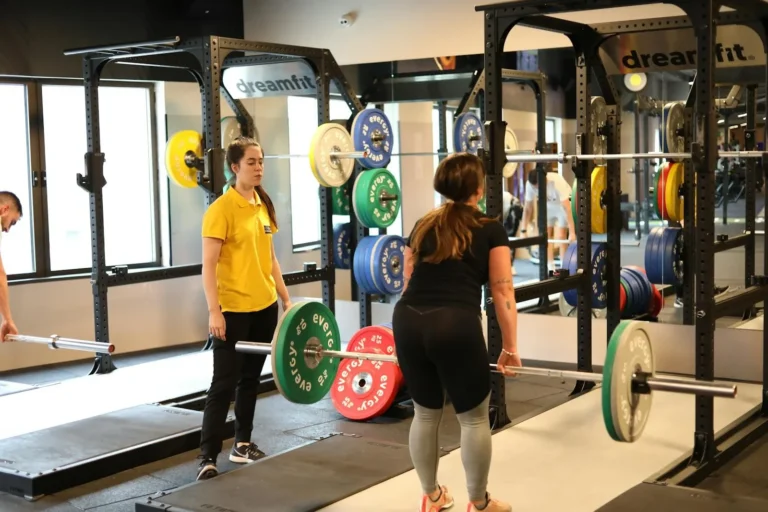
To build and retain muscle, prioritize progressive resistance training 2-4 times per week and target ~1.6-2.2 g/kg protein daily; beginners often gain ~0.25-0.5 kg muscle per month with consistent training and adequate calories. Even small increases boost strength, balance and weight-management, while losing muscle during dieting is dangerous for metabolism and mobility-structure fat loss to protect your lean tissue.
Limitations of the Scale
Scale weight measures total mass-fat, muscle, bone, water and gut contents-and gives no composition breakdown. Daily swings of 1-5 pounds from food, sodium, hydration and hormones are normal, so a single number can mask real progress. Track multi-week trends, tape measurements and performance markers to see true changes in body composition and health rather than chasing day-to-day digits.
Water Weight Fluctuations
Glycogen storage binds about 3 g of water per gram, so a high-carb meal or glycogen repletion can add ~0.5-1.5 pounds quickly; sodium, inflammation and menstrual shifts add variability, producing typical 1-5 lb daily swings. Using diuretics or extreme restriction to manipulate the scale is dangerous and risks dehydration and electrolyte imbalance. Monitor 7-14 day averages and note patterns after meals and workouts instead of single-day readings.
Impact of Muscle Gain
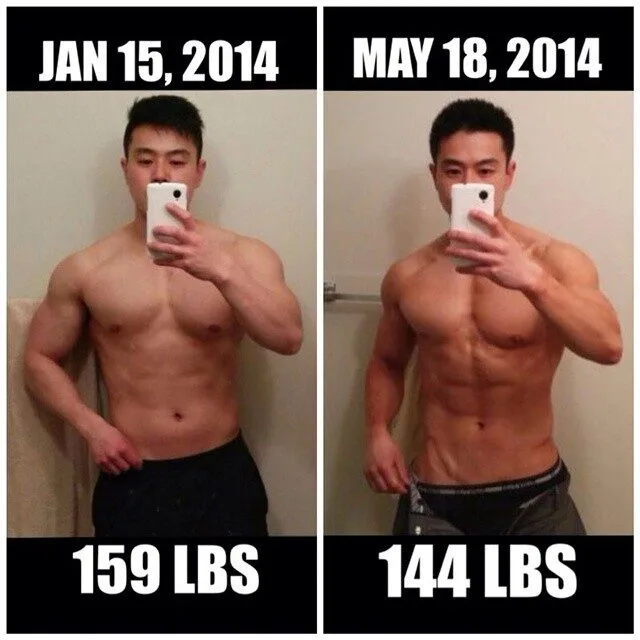
Strength training can add lean mass while you lose fat, so the scale may stall or rise even as you get leaner; muscle is denser, meaning 1 lb of muscle occupies less space than 1 lb of fat and changes your shape. Novice trainees commonly gain ~1-4 lbs of muscle in the first 8-12 weeks with consistent progressive overload and adequate protein, a positive trade-off for increased strength and metabolic capacity.
Beginners often add ~2-6 lbs (1-3 kg) of lean tissue in the first 8-12 weeks if you apply progressive overload and eat enough protein; women typically gain about half that rate. Each pound of muscle may raise resting energy use by roughly 6-15 kcal/day, so over months that positive shift helps fat loss. Compare circumference changes, strength gains or DEXA trends to see progress that the scale alone will miss.
Alternative Methods of Measuring Progress
Use a combination of metrics so you don’t get misled by the scale: tape measurements, progress photos, strength numbers, and occasional body-composition tests (DEXA/BIA). Measure every 2-4 weeks and log chest, waist, hips, thigh, and arm; many clients gain 2-4 lbs of muscle while losing fat, so the scale stays flat even as measurements and strength improve. Relying on one number will hide meaningful changes.
Measuring Body Measurements
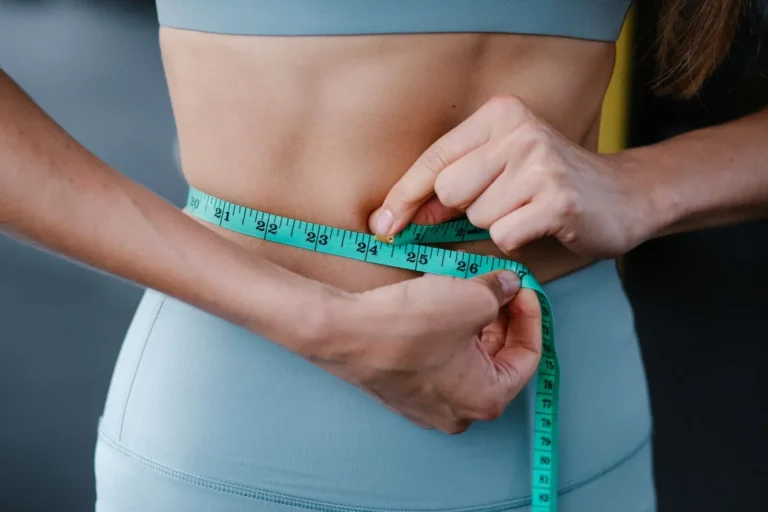
Use a flexible tape and mark five consistent sites-chest (nipple line), waist (narrowest), hips ( widest point), mid-thigh, and mid-upper-arm-then measure every 2-4 weeks, taking three readings and averaging them. Changes of 0.5-1 inch (1.3-2.5 cm) are meaningful; for example, a 1-inch waist loss plus a 0.5-inch arm gain often indicates fat loss with muscle gain. Consistent technique lowers measurement error.
Progress Photos
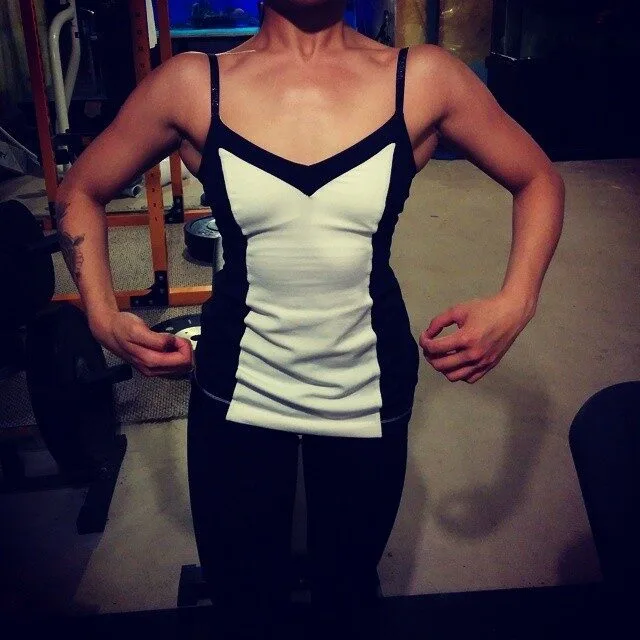
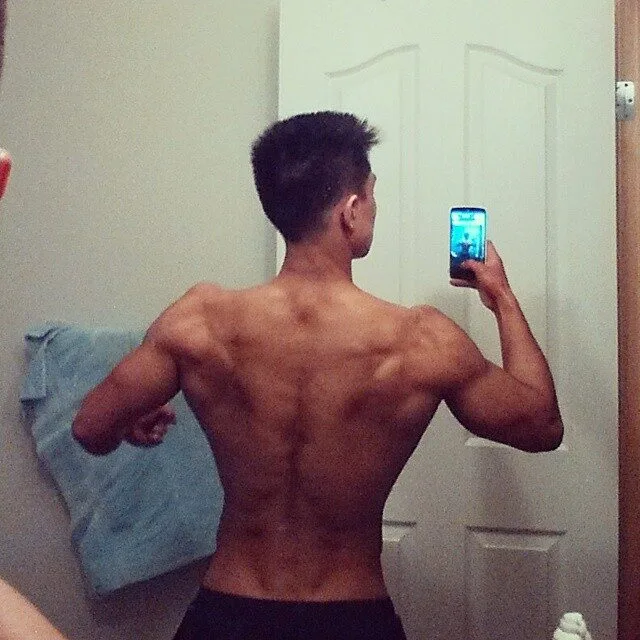
Take front, side, and back photos every 2-4 weeks in the same lighting, clothing, and time of day-both relaxed and flexed-to track shape, posture, and definition. Photos often reveal reduced abdominal protrusion or improved muscle contours after 6-8 weeks even when weight is unchanged. Compare side-by-side sequences rather than fixating on single images to see real trends.
Frame photos from mid-thigh to head, use a tripod or consistent distance (about 6-8 feet), and keep a neutral background and identical camera settings; take at least three angles and both relaxed and flexed poses. Store images in a private folder and label by date; do not post publicly if privacy concerns you. Small lighting changes can distort perceived progress, so consistency is more important than resolution.
The Role of Nutrition and Lifestyle
Short-term shifts in your scale often come from food, fluids, and hormones: a high-carb meal or increased sodium can change your weight by 1-4 kg within 24-48 hours, since each gram of glycogen stores ~3 g of water; menstrual-related fluid shifts commonly add 0.5-2 kg, and bowel contents or alcohol can add another 0.5-1.5 kg, so daily weight is a noisy signal rather than a direct measure of fat change.
Dietary Constraints
If you chase aggressive calorie cuts you risk losing lean mass and metabolic slowdown; instead target a sustainable deficit of ~250-500 kcal/day. Hitting 1.6-2.2 g/kg protein preserves muscle during weight loss, while very low-carb approaches show rapid initial scale drops from glycogen/water loss-not immediate fat loss-so plan for nutrient variety to avoid deficiencies and rebound overeating.
Exercise Regimens
Resistance training builds muscle that can mask fat loss on the scale, especially early on-novice gains of ~0.5-2 kg of muscle in the first 8-12 weeks are common-while steady-state cardio burns calories but does less for body composition; time your weigh-ins away from heavy training days and post-exercise fluid shifts to avoid misleading readings.
For practical programming, prioritize progressive overload with 2-4 weekly resistance sessions: aim for 8-12 reps for hypertrophy, distribute 10-20 sets per muscle per week, and include 3-6 compound movements per session. Also space protein evenly (~20-40 g per meal) and get 7-9 hours sleep to support recovery-these choices change body composition more reliably than the scale alone.
Mindset and Motivation
Psychological Impact of Scale Obsession
When you fixate on the number, normal daily swings-often 2-5 pounds from hydration, glycogen, or menstrual cycle-become sources of anxiety. You may interpret a 2-3 pound overnight gain as failure; one client who tracked daily weight after a holiday saw a 3‑pound spike and skipped workouts for a week. That pattern erodes consistency, fuels negative self-talk, and can push you toward unhealthy behaviors far removed from real fitness gains.
Fostering a Positive Fitness Journey
Shift your attention to metrics that show capability and health: track strength (for example, adding 10-20 lbs to a squat in an 8-12 week block), measure waist and hip circumference in centimeters, log workout adherence like completing 3 resistance sessions weekly, and use progress photos. You’ll detect meaningful trends-improved posture, tighter clothing fit, faster 5K times-long before the scale confirms body recomposition.
Adopt a simple, repeatable protocol: baseline photos and tape measurements, reassess every 4 weeks, and record lifts and cardio times; target gradual improvements such as 0.5-1% body‑fat reduction per month or a 5-10% strength gain in 8 weeks. Combine those metrics with consistent sleep, protein intake (~1.6-2.2 g/kg), and progressive overload to create a reliable picture of progress that the scale alone can’t provide.
To wrap up
From above, you should understand that scale weight is a poor gauge of fitness progress because it ignores body composition changes, muscle gain, fluid shifts, and strength or endurance improvements; focusing on performance metrics, measurements, how your clothes fit, and consistent habits gives a fuller, more reliable picture of progress than a single number fluctuating daily.
FAQ
Q: Why is the scale a misleading indicator of fitness progress?
A: The scale only reports total body mass and cannot distinguish between fat, muscle, water, or glycogen. When you gain muscle while losing fat you can see little or no change in weight because muscle is denser than fat. Short-term factors-hydration, recent meals, sodium intake, glycogen stores, inflammation after workouts, and the menstrual cycle-can shift weight by several pounds day-to-day, masking true changes in body composition. Relying on a single number ignores improvements in strength, endurance, mobility, and metabolic health that don’t always produce a lower number on the scale.
Q: What metrics should I use instead of or alongside the scale?
A: Use body-composition and performance measures: DEXA, Bod Pod, or hydrostatic weighing for accurate fat vs. lean mass; skinfolds or bioelectrical impedance as cheaper, less precise options. Track girth measurements (waist, hips, thighs) taken consistently, and take standardized progress photos. Monitor performance: lifts, rep ranges, run or bike times, and workouts per week. Also use non-scale health markers: resting heart rate, blood pressure, sleep quality, energy, and lab results (lipids, HbA1c). Combine several metrics to form a fuller picture of progress.
Q: If I still want to use the scale, how should I interpret its readings wisely?
A: Weigh yourself under consistent conditions (first thing in the morning after voiding, before eating or drinking, wearing similar clothes) and focus on trends over weeks or months rather than daily fluctuations. Use weekly averages or a moving average to smooth out noise. Cross-check scale changes with body measurements, photos, and performance gains; if weight stalls but strength and measurements improve, progress is occurring. Avoid letting short-term scale swings dictate training or diet decisions, and prioritize sustainable habits that improve body composition and fitness over chasing a number.