Just because someone eats a lot doesn’t mean they have a magical metabolism; the most important truth is that metabolic rate varies modestly and is shaped by genetics, muscle mass, activity and age. If you chase quick fixes you risk dangerous effects from extreme dieting and chronic calorie restriction. Instead, you can meaningfully increase energy expenditure and metabolic health by building muscle, prioritizing protein, increasing NEAT, and improving sleep and recovery-these are the proven, positive ways to speed your metabolism.
Key Takeaways:
- Metabolic rate is largely determined by genetics, age, sex, and lean body mass; “fast metabolism” is often an oversimplification rather than the main cause of weight differences.
- The most reliable ways to raise resting energy expenditure are increasing or preserving lean muscle through resistance training, eating adequate protein, and staying active throughout the day (NEAT).
- Sleep, stress, certain medications, and avoiding prolonged severe calorie restriction affect metabolism, but total calorie balance drives long‑term weight change more than small metabolic tweaks.
Understanding Metabolism
Your body converts food into usable energy across several pathways; roughly 60-75% of daily calorie burn is your basal metabolic rate, about 10% is the thermic effect of food, and 15-30% comes from activity. If you have a history of long-term dieting or low muscle mass, your BMR can be suppressed, making weight changes slower and increasing the risk of regain.
What is Metabolism?
Metabolism is the sum of biochemical processes that turn calories into fuel for cells, including the basal metabolic rate (BMR), the thermic effect of food (TEF), and physical activity. Average BMR ranges: women ~1,200-1,400 kcal/day, men ~1,500-1,800 kcal/day; endocrine factors like thyroid dysfunction or certain medications can shift these values significantly.
Types of Metabolism: Basal vs. Active
Basal metabolic rate is the energy your body needs at rest to sustain organs and accounts for the largest share of daily burn. Active metabolism includes structured exercise plus NEAT (non-exercise activity thermogenesis). For example, adding 30-60 minutes of moderate cardio can burn 300-600 kcal, while increasing muscle mass may raise BMR by ~5-15% over months.
- BMR – typically 60-75% of your daily energy expenditure
- Active metabolism – exercise + NEAT, usually 15-30%
- TEF – about 10% of calories for a mixed diet
- Knowing muscle mass increases resting burn and mitigates metabolic slowdown during dieting
| Component | Typical % of Daily Calories |
|---|---|
| Basal Metabolic Rate (BMR) | 60-75% |
| Physical Activity (exercise + NEAT) | 15-30% |
| Thermic Effect of Food (TEF) | ~10% |
| Adaptive Thermogenesis | Variable, 0-10% |
If you weigh 70 kg, expect a BMR near 1,600-1,800 kcal/day; a 45-minute moderate bike ride then adds about 350-450 kcal. In a 12-week randomized trial, resistance training increased resting metabolic rate by ~7% and preserved lean mass during a 500 kcal/day deficit. Monitor thyroid function and avoid prolonged extreme calorie restriction, which can lower BMR and hinder progress.
- Example: 70 kg BMR – ~1,600-1,800 kcal/day
- Exercise burn – ~300-600 kcal per moderate session
- Resistance training – can raise BMR ~5-10% over months
- Knowing prolonged calorie restriction often reduces resting metabolic rate and adaptive thermogenesis increases
| Scenario | Approximate Calorie Effect |
|---|---|
| Resting (BMR) for 70 kg | ~1,600-1,800 kcal/day |
| Moderate exercise session | ~300-600 kcal/session |
| Resistance training impact | +5-10% BMR over weeks/months |
| NEAT variation | ~100-800 kcal/day depending on activity |
Factors Influencing Metabolism
Your metabolism is shaped by body composition, hormones, activity and genetics, all of which determine how many calories you burn at rest and during activity. Studies show muscle mass increases resting energy expenditure by ~15-30 kcal per kg per day, and sleep, medications and inflammation can shift that baseline. Perceiving how these elements combine helps you prioritize changes that actually move the needle.
- Genetics – influence how your BMR responds to diet and exercise
- Muscle mass – each kg of lean tissue burns roughly 15-30 kcal/day for you
- Hormones – thyroid, cortisol and insulin change how your body uses and stores energy
- Age & sex – affect how your BMR shifts over decades and with changing hormone levels
Genetics and Metabolic Rate
Your genes set a baseline: twin studies estimate heritability of resting metabolic rate at about 40-70%, so you may inherit a naturally higher or lower burn. Specific variants (e.g., affecting thyroid signaling or appetite regulation like MC4R) can change energy intake and expenditure. While you can’t edit DNA, you can raise your effective metabolic rate with resistance training, higher protein intake and activity patterns that exploit your genetic tendencies.
Age, Gender, and Hormonal Effects
As you age, resting metabolic rate typically drops about 1-2% per decade after your 20s, largely from lost muscle; men usually have a higher BMR because they carry more lean mass. Hormonal shifts-such as lower estrogen around menopause or low thyroid function-can reduce your calorie burn and shift fat storage, while testosterone helps preserve muscle. Monitor changes and adjust protein, strength work and activity to compensate.
For example, if you lose 5 kg of muscle between ages 30 and 60, your resting energy expenditure could fall by roughly 75-150 kcal/day, making gradual weight gain likely unless you change diet or increase activity. Menopause often shifts fat to the abdomen and accelerates lean-mass loss, so aim for 2-3 weekly resistance sessions and higher dietary protein; check thyroid labs if you notice rapid fatigue or an unexplained metabolic slowdown, since endocrine issues need medical management.
Debunking Fast Metabolism Myths
Common Misconceptions
You hear that genes or a “fast metabolism” explain weight differences, but evidence shows otherwise: overt thyroid disease affects only about 0.5-1% of adults, and once you control for size and muscle mass, resting metabolic rate differences are typically 100-200 kcal/day. Many claims about meal timing or special foods dramatically boosting metabolism come from misinterpreted studies; in controlled trials, increasing meal frequency rarely changes 24‑hour energy expenditure.
The Role of Diet in Metabolism
Diet influences metabolism mainly through the thermic effect of food (TEF) and by preserving lean mass: TEF is roughly 10% of daily energy, with protein at ~20-30% versus carbs 5-10% and fat 0-3%. Prioritizing protein and whole foods increases TEF and satiety, so consuming ~20-30 g protein per meal can meaningfully raise post‑meal energy use and help protect muscle during weight loss.
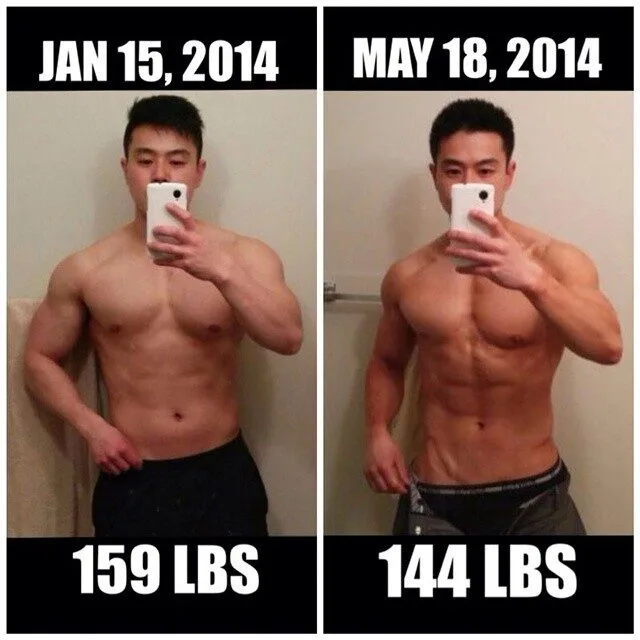
Energy balance still drives weight change, but aggressive calorie cuts trigger adaptive thermogenesis that can shave 50-300 kcal/day from your metabolic rate. Combining adequate protein with resistance training helps maintain lean mass; each kilogram of muscle raises resting energy use by about ~6 kcal/day, so preserving or building muscle blunts metabolic decline and supports long‑term calorie burning.
Natural Ways to Boost Metabolism
Exercise and Physical Activity
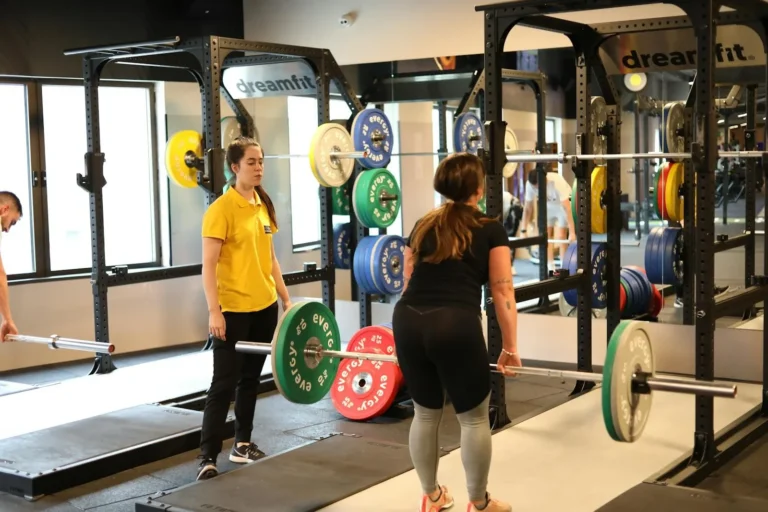
You should prioritize resistance training and high-intensity intervals: 3 sessions/week of weightlifting with compound lifts (squats, deadlifts, presses) builds muscle that raises resting metabolic rate, while 20-30 minute HIIT bouts produce EPOC that can increase post-exercise calorie burn by roughly 6-15% for hours. Add daily NEAT-walking 30 minutes briskly burns ~150-200 kcal depending on weight-to counteract the metabolic drag of prolonged sitting.
Nutrition and Eating Habits
You should emphasize protein and whole foods because the thermic effect of food differs significantly: protein ~20-30%, carbs ~5-10%, fats ~0-3%, so higher-protein meals raise energy expenditure. Small doses of caffeine or green tea can transiently boost metabolism (~3-11%). Avoid prolonged severe calorie deficits; diets below ~1,200 kcal/day often lower resting metabolic rate and increase muscle loss.
Target protein at about 1.2-1.6 g/kg/day when cutting to preserve lean mass, distribute ~20-40 g protein every 3-4 hours, and pair with fiber-rich vegetables and resistance training. For example, a 30 g protein breakfast (Greek yogurt, berries, oats) plus a 30-45 minute lifting session twice weekly preserves RMR better than equal calories from carbs alone; very low-calorie plans increase the risk of metabolic slowdown and rebound weight regain.
Lifestyle Changes for a Healthy Metabolism
Prioritize sustainable habits: strength train 2-3×/week to preserve lean mass, spread protein to ~20-30 g every 3-4 hours, and boost NEAT by targeting 7,000-10,000 steps daily. Cut ultra‑processed foods and avoid very low‑calorie crash diets (deficits >30% often drive metabolic slowdown). Small, consistent shifts-like standing for 15 minutes each hour or adding a 20‑minute walk after dinner-produce measurable effects on daily energy expenditure.
Sleep and Stress Management
Aim for 7-9 hours nightly and a consistent sleep schedule; sleeping ≤6 hours is linked to higher obesity risk and can reduce insulin sensitivity by ~30% after short‑term restriction. Manage stress with 10‑minute breathing or brief mindfulness sessions, since chronic stress elevates cortisol and promotes visceral fat accumulation; regular moderate exercise also lowers baseline cortisol and improves sleep quality.
Importance of Hydration
Drinking water before and during the day matters: ingesting ~500 mL can raise resting metabolic rate by ~30% for 30-40 minutes, and losing 1-2% body weight from dehydration impairs physical performance. Keep a reusable bottle and sip regularly to support digestion, thermogenesis, and exercise output.
For practical targets, aim for ~30-35 mL per kg bodyweight (about 2-3 L/day for most adults), drink ~250-500 mL before meals to modestly reduce intake, and replace fluids during exercise to avoid >2% weight loss. Beware of overhydration-rapidly drinking excessive amounts can cause hyponatremia; tailor intake to activity, climate, and urine color rather than one rigid rule.
Supplements and Their Impact on Metabolism
Supplements can nudge your metabolic rate, but effects are usually modest and short-lived. For example, 200 mg caffeine (about two cups of coffee) can raise resting metabolic rate by 3-11% for 2-3 hours, while green tea extracts with EGCG plus caffeine have shown ~4% increases in 24‑hour energy expenditure in some trials. Conversely, off‑label thyroid products or stimulant blends carry real cardiovascular risks without proven long‑term benefit.
Popular Metabolic Boosters
Caffeine, green tea (EGCG), capsaicin and higher‑protein diets are the most studied boosters. Studies show protein’s thermic effect is ~20-30% of calories vs ~5-10% for carbs/fat, so shifting to 25-30% protein can raise daily expenditure modestly; 200 mg caffeine gives a transient 3-11% RMR bump; capsaicin doses around 2-10 mg/day produce small increases in fat oxidation. Creatine helps indirectly by increasing muscle and strength, not immediate RMR.
Evaluating Efficacy and Safety
When you vet a supplement, prioritize randomized controlled trials and effect sizes over marketing. Look for clinically meaningful outcomes->5% body‑weight reduction in multiple RCTs-not single short trials. Be aware that stimulants can raise heart rate and blood pressure; ephedra was linked to serious adverse events and is banned. Always check for interactions with meds like SSRIs, beta‑blockers or thyroid therapy and consult a clinician before starting high‑dose products.
Check third‑party certification (NSF, USP, ConsumerLab) and confirm actual ingredient amounts on batch tests; many products mislabel doses. Keep caffeine under 400 mg/day for most adults, and avoid concentrated green‑tea extracts if EGCG exceeds ~800 mg/day-case reports link these doses to liver injury. If you’re pregnant, nursing, under 18, or have cardiovascular disease, avoid stimulant formulas and favor evidence‑backed dietary strategies over supplements.
Summing up
As a reminder, you shouldn’t expect a mythical “fast metabolism” to solve weight issues; your metabolic rate is shaped by factors you can influence-lean muscle, daily activity (including NEAT), protein intake, sleep, hydration, and by age and genetics. Focus on building and preserving muscle, increasing purposeful and incidental movement, optimizing protein and sleep, and you’ll meaningfully speed your metabolism and improve body composition.
FAQ
Q: What does “fast metabolism” actually mean?
A: “Fast metabolism” is a lay term for a higher total energy expenditure, which includes basal metabolic rate (energy used at rest), the energy used for digestion, physical activity, and non-exercise activity (NEAT). Genetics, age, sex, body composition and hormone levels set baseline metabolic rate. Saying someone has a “fast” metabolism usually means their resting and daily energy use are higher than average, but large, rapid changes in baseline metabolic rate are uncommon without changes in muscle mass, hormones, or illness.
Q: Which factors truly increase metabolic rate?
A: Increases come from higher lean muscle mass, greater physical activity (including NEAT), and the thermic effect of food-especially protein, which requires more energy to digest. Resistance training builds muscle and raises resting energy use by a small but meaningful amount; aerobic exercise raises total daily burn and causes modest post-exercise oxygen consumption. Caffeine and green tea can produce small, temporary boosts. Cold exposure can increase heat production via brown fat in some people. Severe calorie restriction and prolonged underfeeding lower metabolic rate; adequate sleep, hydration and normal thyroid function support healthier energy expenditure.
Q: How should I use this information to lose weight or improve metabolism?
A: Focus on steady, sustainable changes: prioritize resistance training to preserve and build muscle, increase daily movement and reduce sedentary time, eat enough protein to support muscle and raise the thermic effect of meals, avoid extreme calorie cuts that trigger metabolic slowdown, get quality sleep and treat medical causes of low metabolism (e.g., hypothyroidism) with a clinician. Expect modest metabolic shifts from any single change; combining strength training, higher daily activity, adequate protein and sensible calorie control produces the best long-term results.